


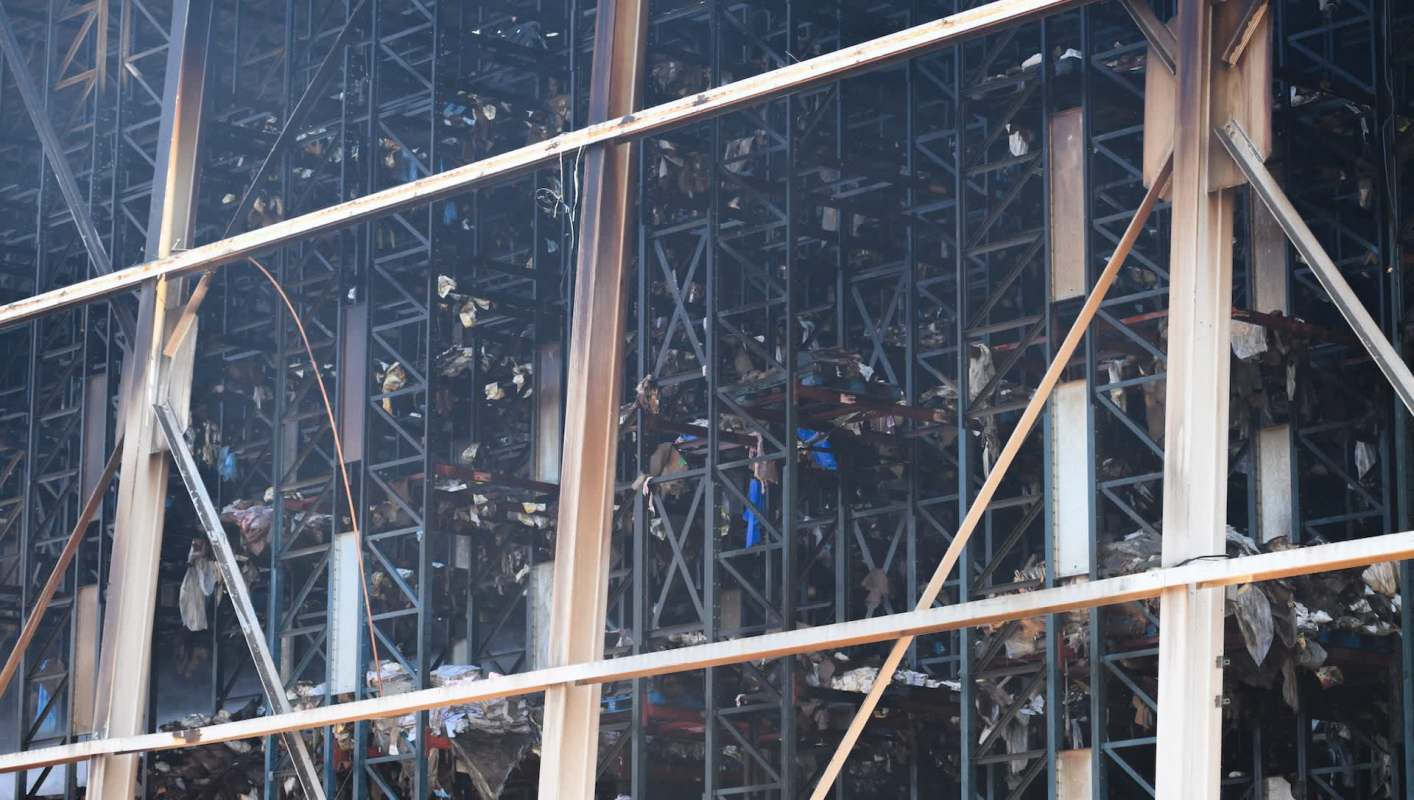
A warehouse fire in Los Angeles has turned part of Boyle Heights into a stark example of how destructive large-scale food waste can be.
After 85 million pounds of meat and seafood were left to rot, residents and small businesses say the neighborhood is still dealing with the fallout.
What happened?
According to a BBC report, a June 17 fire destroyed a cold-storage warehouse in Boyle Heights, leaving roughly 85 million pounds of ruined food, including beef, pork, poultry, seafood, and other products.
As of August 9, the site was still being cleared, and the smell had spread across an industrial area that sits alongside homes and small businesses.
Mayor Karen Bass set August 13 as Lineage's deadline to finish cleanup. The company, which runs temperature-controlled storage and shipping facilities, said about four-fifths of the spoiled food had already been removed and that bulk hauling should be completed by August 13.
Los Angeles officials say the company's handling of the aftermath has been too slow.
TCD Picks » Quince Spotlight
💡These best-sellers from Quince deliver affordable, sustainable luxury for all




In a letter to Lineage shareholders, Bass wrote, "Too often, those requests have been met with delayed communication, limited transparency, and insufficient public engagement."
Over conditions it called "unsanitary and nuisance" problems, the county public health department also handed down citations carrying $500-per-day fines.
Why does it matter?
Speaking to the BBC, Mesha, a 37-year-old security guard in the neighborhood, said, "It smells really bad, like really bad... to the point that you want to throw up."
She said the odor reminded her of a dead body.
The problem is also affecting businesses nearby.
Alexis Sicairos, co-owner of the Brew Sting coffee stand, said customer traffic has dropped, while flies gather on tables and drinks, bothering anyone who stays outside for any length of time.
A city-commissioned inspection said the warehouse's heat and waste conditions may be helping flies multiply faster, raising disease concerns for people or animals with open wounds.
Once food has been exposed to unsafe temperatures, fire damage, or contamination, it generally cannot be donated.
The best chance to prevent waste comes earlier, through stronger emergency planning, faster inventory diversion, and systems capable of moving safe food before it spoils.
What's being done?
Crews have been working continuously to haul away spoiled food, clear rubble, and dismantle damaged sections of the building.
Lineage said it expects to spend $80 million to $100 million on the effort and acknowledged that odor reduction is a "key priority."
City and county agencies have also taken a more aggressive role.
Bass said she directed departments to coordinate with partners across local, state, federal, nonprofit, and community groups, while the city has distributed thousands of air purifiers and brought in mobile health clinics.
She also told departments to pause any warehouse rebuilding plans until the neighborhood's health and safety issues are resolved.
Once food reaches this stage, cleanup — not rescue — is the only option.
As Bass put it, "They deserve transparency, clear communication, and meaningful support."
Sicairos said, "But we have to keep paying our bills, so we're still here."

Get TCD's free newsletters for easy tips, smart advice, and a chance to earn $5,000 toward home upgrades. To see more stories like this one, change your Google preferences here.






