


A portable generator is supposed to provide people with peace of mind during an outage.
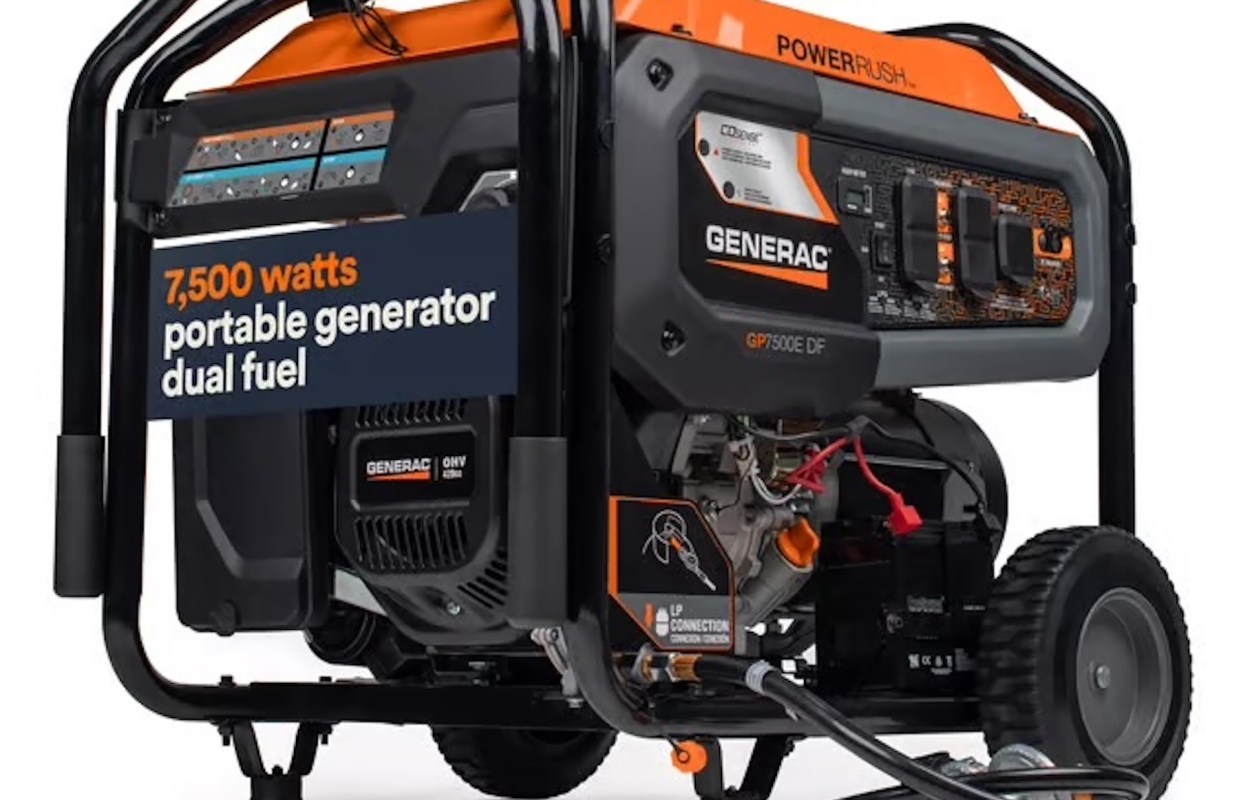
But for one Generac 7500 owner, the backup plan failed at its most basic step, leading them to the internet for solutions or suggestions. It didn't turn on when the electric-start button was pressed, and it instead showed only a glowing indicator.
What's happening?
On Reddit's r/Generator community, the owner said the unit's electric start had never worked correctly, with the green light staying on for about 10 to 15 seconds before the attempt stopped.
They added, "I push the start button after ensuring the fuel cock is open and the choke is on. The light stays green on the start button … for 10-15 seconds and then nothing."
That kind of behavior can mean the control panel is receiving some power, but not enough for the engine to finish the starting sequence. Possible causes include a dead or disconnected battery, corrosion on the terminals, a blown fuse, a faulty starter solenoid, or some other interruption in the starting circuit.
But because portable generators are often purchased specifically for backup use, a small starting fault can become a major problem at the worst possible time. For many owners, the challenge is spotting and fixing that basic issue before an outage exposes it.
TCD Picks » Quince Spotlight
💡These best-sellers from Quince deliver affordable, sustainable luxury for all




After one commenter asked if the generator was still under warranty, the original poster responded, "It is no longer under warranty. I can pull start it but prefer the electric start. I have changed the battery and have checked [that] it is fully charged. I am thinking the solenoid."
Why does it matter?
A backup machine is only useful if it has been checked before an emergency. A new generator that has "never worked" as expected can easily end up sitting in storage until it is suddenly needed, which is why pre-outage testing is one of the cheapest ways to improve reliability.
When a household depends on a portable generator during storms, heat waves, or other grid problems, a failed electric backup can have real consequences. Food and refrigerated medicine can spoil, the house can become uncomfortable, medical equipment may be disrupted, and owners may be forced into rushed repairs after the power has already gone out.
Catching the problem in advance may also reduce costs if the cause is something minor, like a loose battery cable, a battery that needs charging, or a blown fuse. Finding it early could avoid a diagnostic fee and might also prevent an unnecessary replacement.

Get TCD's free newsletters for easy tips, smart advice, and a chance to earn $5,000 toward home upgrades. To see more stories like this one, change your Google preferences here.






