


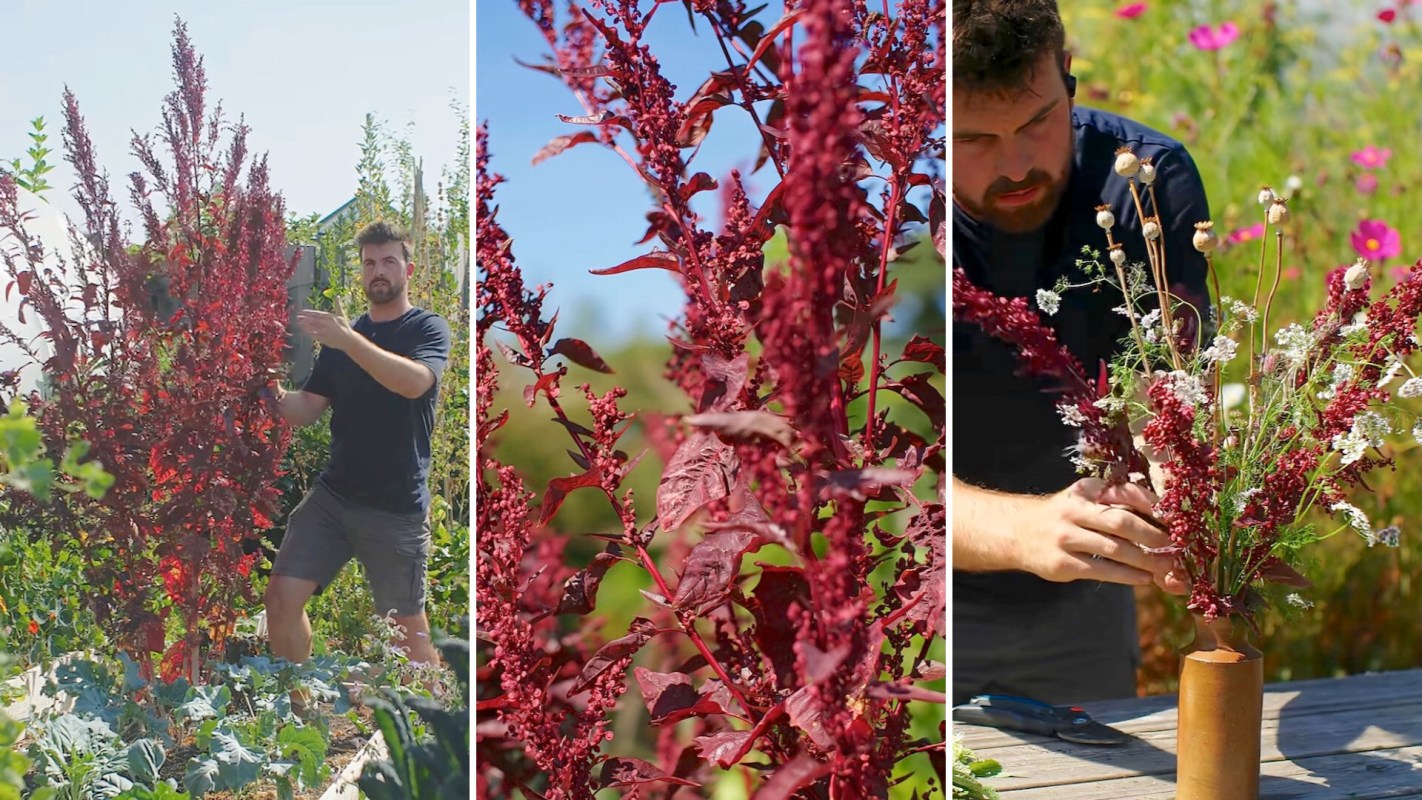
Gardeners hoping to get more from a single plant may be overlooking orach, a leafy edible that can also serve as a striking ornamental.
What happened?
Huw Richards (@HuwRichards), a U.K. grower, featured red orach in a YouTube video.
He said, "The smaller leaves can be used raw in salads. The larger leaves can be cooked like spinach." Richards also noted that red orach has a green version called green plume and said heat had pushed his own plant to "well over 2 m in height."
He also emphasized that the plant is attractive and useful. Richards called it "a prolific self-seeder" and said the seed heads can be used in cut-flower displays while also helping produce future plants.
Why does it matter?
Plants like orach can make home gardening both more practical and more rewarding. A single crop that is edible, decorative, and likely to self-seed can help reduce spending on produce while also reducing the need to keep buying seed.
Greens harvested straight from the garden often taste fresher than store-bought produce, and picking only what is needed can help reduce food waste in the kitchen.
TCD Picks » Quince Spotlight
💡These best-sellers from Quince deliver affordable, sustainable luxury for all




Gardening itself can support both mental and physical health. Tending plants gets people outdoors, encourages movement, and can provide a calming routine that many gardeners find grounding.
Its height can also be an advantage in a garden layout, giving beds or borders more shape while still producing something edible.
What can I do?
If you want to try a plant like this, starting with a few edible ornamentals can be an easy way to begin growing more of your own food. Whether you have a yard, raised bed, or containers, growing your own food can add flavor to your plate while leaving more money in your wallet.
To make the most of orach, you can let some seed heads develop if you want volunteer plants later, use the younger leaves in salads, and cook the larger leaves as you would spinach.
Because the plant can grow quite tall, it may work best at the back of a bed or along a border, where it can add color and height without crowding smaller crops. Gardeners with limited space may also experiment with large containers.
Orach asks relatively little while offering several benefits at once: food, color, seeds for the future, and a more resilient home garden.
Richards' pitch was simple: "It is just super fun. It is super colorful."
"I love it because it tastes even better than it looks and never fails to put me in a good mood," one commenter said.

Get TCD's free newsletters for easy tips, smart advice, and a chance to earn $5,000 toward home upgrades. To see more stories like this one, change your Google preferences here.







