


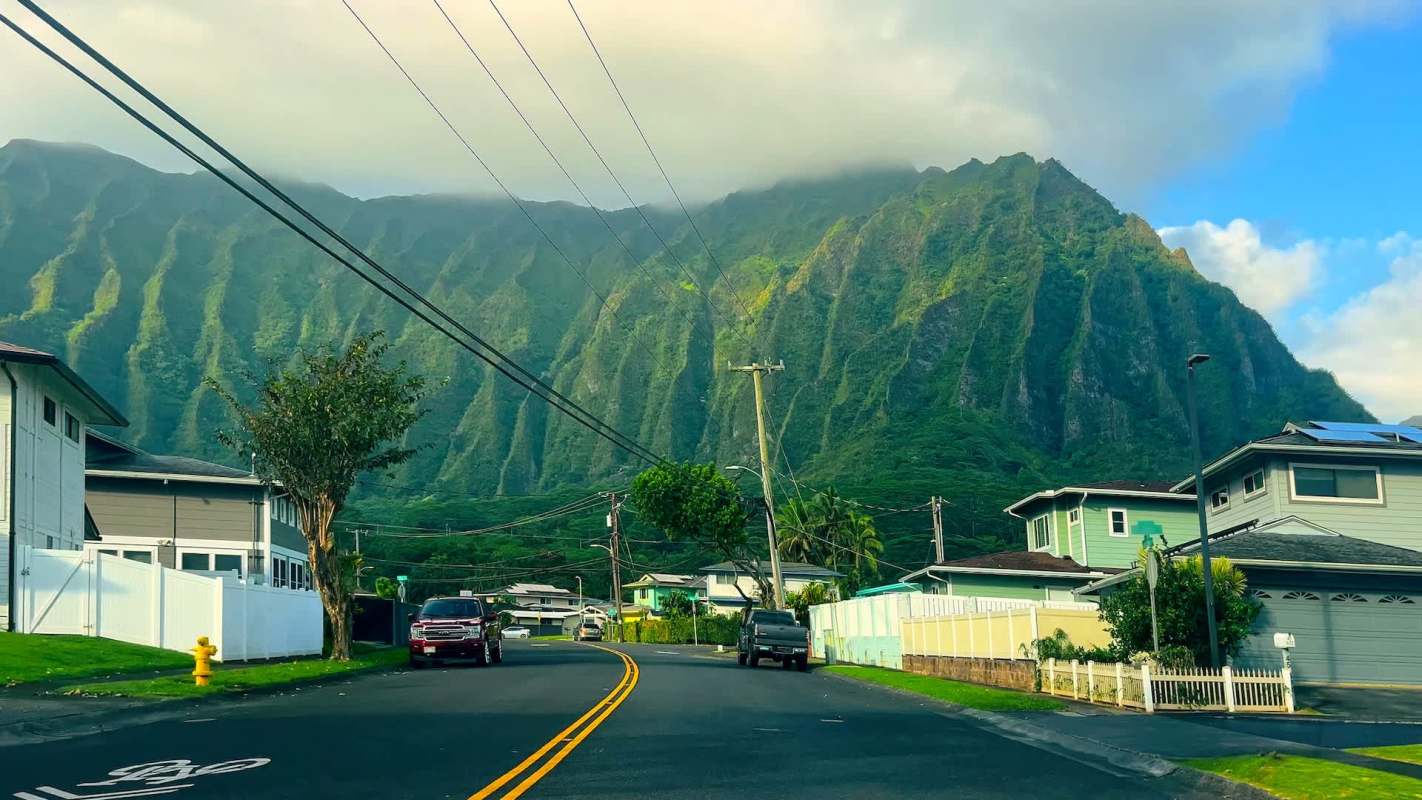
In late July, households in several wildfire-prone parts of Hawai'i were warned they could face a preventive power outage with as little as one to two days' notice.
Although the situation has since eased, the incident showed how quickly changing weather can threaten reliable energy access.
What happened?
Hawaiian Electric ended its Public Safety Power Shutoff watch after fire weather concerns lessened, with lighter winds and moister air, according to Hawai'i News Now. The utility said the shutoff program was never activated for customers.
Before the watch was lifted, affected areas reportedly included South Kohala on Hawai'i Island and several parts of Maui: West Maui, Ōma'opio, Pūlehu, and Mā'alaea.
The company said shutoff decisions rest on three key conditions: ongoing drought, gusts reaching 45 miles per hour or more, and humidity below 45%.
The watch served as a warning that, if fire risks worsen, Hawaiian Electric could cut service with roughly 24 to 48 hours' notice.
TCD Picks » Quince Spotlight
💡These best-sellers from Quince deliver affordable, sustainable luxury for all




Why is this concerning?
Public safety shutoffs are meant to reduce the risk that power lines or other electrical equipment could ignite a wildfire during hot, dry, windy weather.
Despite these benefits, a precautionary shutoff can still be highly disruptive. Homes and businesses can lose essential services such as air conditioning, refrigeration, internet service, and the ability to charge phones or medical devices.
With only a day or two to prepare, families may have to quickly gather ice, shelf-stable food, batteries, or backup power supplies. This points to potential burdens, including the initial costs of emergency items and the later costs of replacing spoiled groceries.
Of course, preventing wildfires can help communities avoid far greater human and financial costs tied to public safety, evacuations, property damage, and prolonged service interruptions. But the impacts of safety shutoffs, especially with little warning, can still be notable for many households.
What's being done?
According to Hawai'i News Now, Hawaiian Electric intends to use its Public Safety Power Shutoff program as a targeted emergency measure rather than a broad outage tool. The utility underscored that a watch does not automatically mean power will be shut off. Instead, it signals that weather and drought conditions are being closely monitored in areas facing the greatest wildfire danger.
The approach gives customers only a small window of time to prepare. For households in high-risk areas, that may mean charging devices, checking flashlights, gathering supplies, and making a plan for refrigerated food and medicine in case service is interrupted.
People who rely on electric medical equipment may need to review backup options before future watches. In this case, the watch was canceled as weather conditions improved, and Hawaiian Electric said no customers lost power due to the PSPS program.
"While we hope shutting off power won't be necessary, we have to take this threat seriously and we urge our customers to be prepared and stay informed," said Jim Alberts, Hawaiian Electric senior vice president and chief operations officer, per Hawai'i News Now.

Get TCD's free newsletters for easy tips, smart advice, and a chance to earn $5,000 toward home upgrades. To see more stories like this one, change your Google preferences here.






