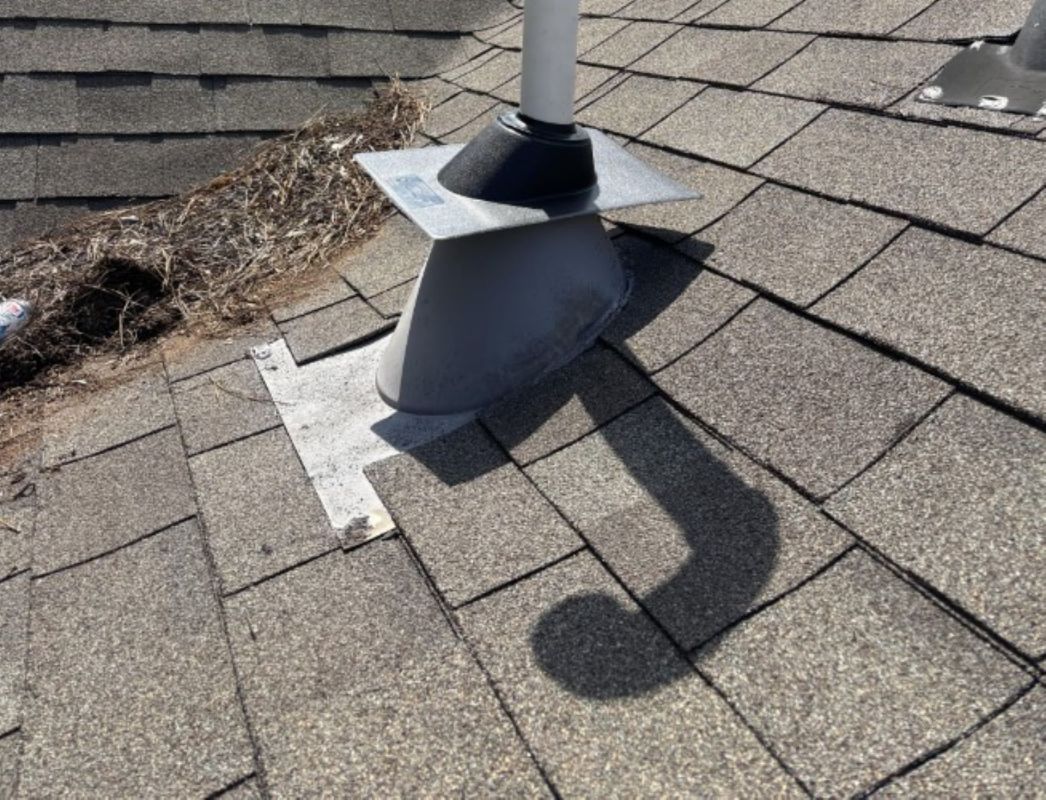
A tankless water heater can promise lower energy use and endless hot water. But one DIY installer ran into a problem many homeowners do not think about: getting a vent through the roof without creating a leak.
That snag served as a reminder that some energy-saving home upgrades should be done by professionals.
What happened?
One homeowner posted a question about a 2-inch vent on Reddit: After installing a tankless water heater, how do you adapt the pipe through the roof?
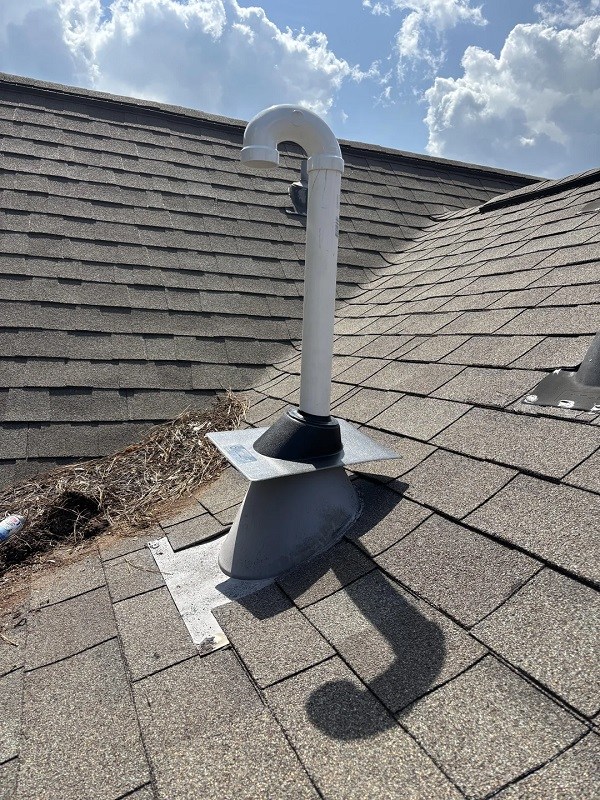
One commenter recommended a Perma-Boot. But others said that the plumbing job and roof job were not the same task.
Even if the pipe was handled correctly, the flashing and waterproofing around the roof opening still had to be done right. In other words, the last step of a tankless install is not making the heater work — it is making sure the house stays sealed.
Why does it matter?
This is the point where an efficient upgrade can save money or become expensive.
TCD Picks » Quince Spotlight
💡These best-sellers from Quince deliver affordable, sustainable luxury for all




Tankless water heaters heat water on demand instead of keeping an entire tank hot throughout the day, which can reduce wasted energy and lower monthly utility bills.
A successful DIY installation can cut labor costs, particularly for homeowners comfortable handling such a project.
However, a poorly sealed vent can wipe out those savings fast. Even a minor leak can damage drywall, insulation, and framing and lead to repair costs that far exceed whatever money was saved by not hiring a professional.
It also shows how quickly a home project can cross trade lines.
Installing a water heater or air conditioner may call for basic plumbing or HVAC knowledge, while making a roof vent watertight is a different skill entirely.
What can I do?
If you are planning a tankless installation, check the manufacturer's venting instructions before you cut any holes. Pipe diameter, vent material, clearances, and approved termination methods can vary by model, and gas appliances need proper venting to operate safely.
When the rest of the job is done and only the roof penetration remains, a dedicated roof boot or flashing kit can be the simplest way to finish things. Whichever piece is used needs to fit the pipe size and the roof style so water is directed away from the opening and does not collect around it.
Dividing the job may make sense. A vent can be checked by a plumber or HVAC technician, and flashing and an exterior seal should be left for a roofer.
Paying for one specialized step up front may cost far less than repairing water damage later.

Get TCD's free newsletters for easy tips, smart advice, and a chance to earn $5,000 toward home upgrades. To see more stories like this one, change your Google preferences here.