


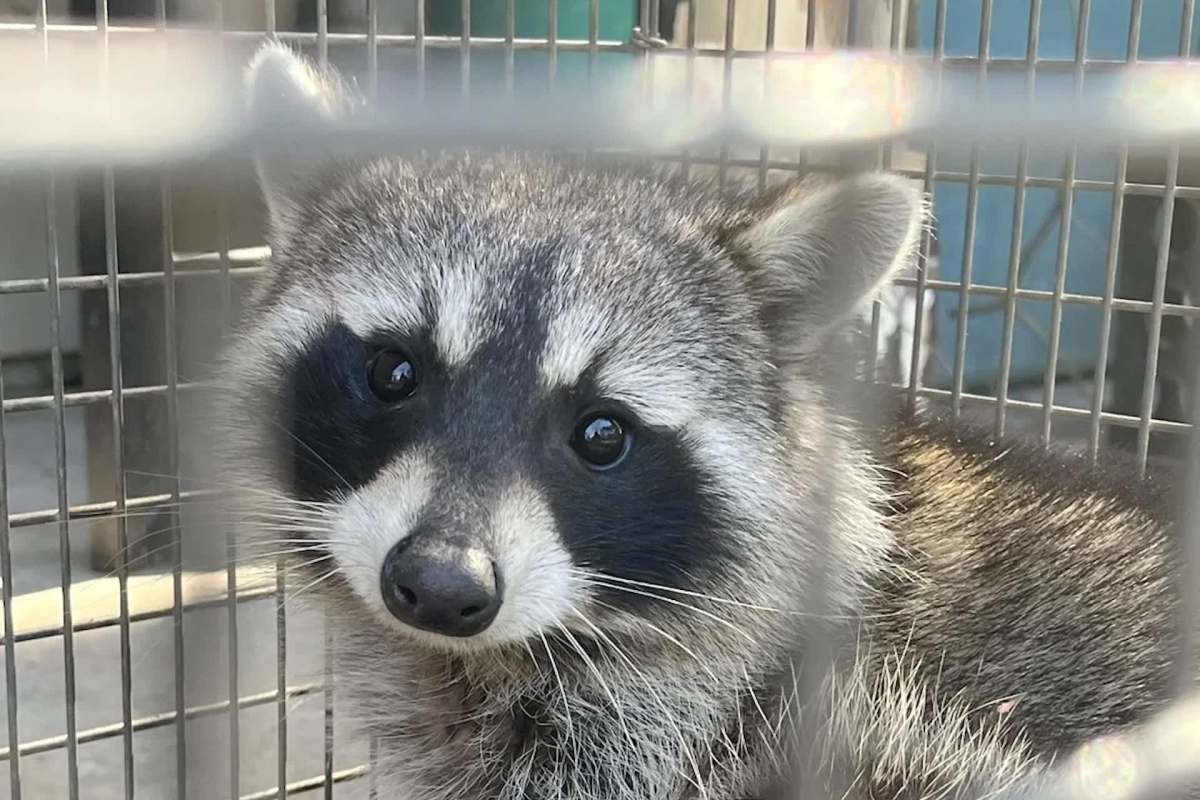
After someone discovered that an adult raccoon had quietly taken up residence in their boyfriend's attic, they shared their story of rehoming the animal.
The couple showed the visitor compassion, and the story ended with its safe relocation.
What happened?
The discovery was shared in Reddit's r/Raccoons community in a post titled "Raccoon in our attic."
There, the original poster uploaded an adorable photograph after the trash panda had been captured. "This is Ralph," they wrote. "He decided to start living in my boyfriend's attic."
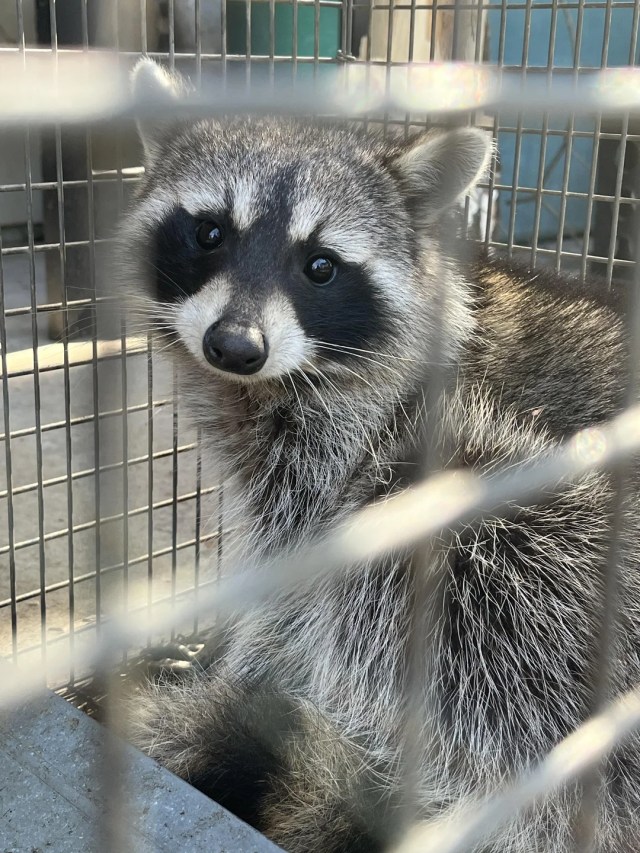
"Unfortunately he wasn't too keen on splitting rent, so we had to trap him and rehome him," the OP wrote. "I gave him a hotdog."
Commenters expressed their appreciation both for the OP's approach to relocating Ralph and the hot dog detail.
TCD Picks » Quince Spotlight
💡These best-sellers from Quince deliver affordable, sustainable luxury for all




"Looks sweet but glad he got rehomed and especially the hot dog!" one wrote.
Someone else joked: "Give this cutie another hot dog. My treat! Send me the check."
A third user added: "I read somewhere that in some areas, some raccoons are becoming domesticated. While I'd never try to domesticate a raccoon and will always respect them as wildlife, I hope that some are widespread pets before I die and that I can have a raccoon friend in my old age."
Why does it matter?
Attics are not an especially unusual place for raccoons. Warm, dry spaces high off the ground can resemble the protected den sites they seek in the wild, particularly in neighborhoods where trees, roofs, and vents give them easy ways in.
That kind of behavior reflects how well wild animals can adapt to human environments.
Yet a raccoon in an attic can create serious issues for both the household and the animal. It may tear up insulation, leave droppings in enclosed areas, and chew or disturb parts of the structure, which can lead to costly repairs.
Raccoons can also carry diseases and parasites, and even an animal that seems calm may become aggressive if it is cornered.
These situations are also influenced by human activity. As development alters natural habitat and homes offer sources of shelter and food, animals can change their behavior. As the BBC has reported, many human-wildlife conflicts are tied to the ways people expand into animal territory or create conditions that draw wildlife closer.
In that light, an attic can function as a replacement den. Unsecured trash, pet food, gaps in roofing, and fragmented habitat can all make homes more appealing to adaptable animals such as raccoons.

Get TCD's free newsletters for easy tips, smart advice, and a chance to earn $5,000 toward home upgrades. To see more stories like this one, change your Google preferences here.






