


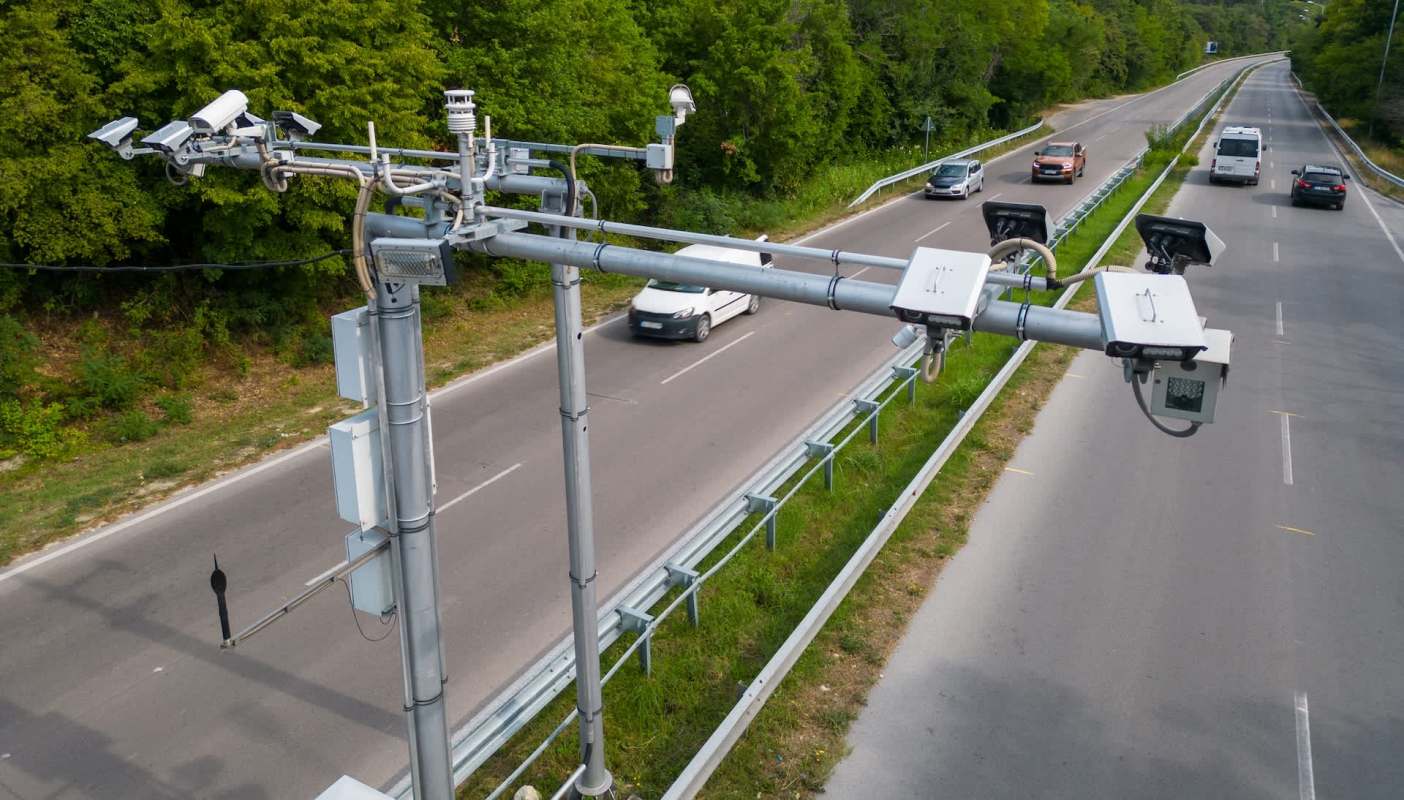
In Glocester, Rhode Island, officials decided to remove the controversial Flock automated license plate reader cameras, but ending the agreement early could still leave taxpayers with a bill of up to $15,000, Uprise RI reported.
What happened?
The decision came after a meeting in which residents spent nearly two hours criticizing the surveillance system and backing a petition signed by 400 people, according to Uprise RI.
As the outlet relayed, resident Mary Baker said at the meeting, "I think the lack of transparency about their implementation speaks to the heart of the matter."
Following their testimony, the Glocester Town Council voted to take down the town's Flock license plate reader cameras.
Chief of Police Jeffrey Jenison said during the meeting that Glocester remains "on the hook" for the 60-month agreement. There are roughly two years left, and it'll cost around $5,000 a year. One councilor characterized that as "$10,000 to $15,000 that taxpayers are using now," per Uprise RI.
Images not connected to an investigation are reportedly deleted after 30 days, and Jenison said the system does not use facial recognition. He instead said the cameras, installed in 2023, capture license plate numbers along with identifying vehicle details and are intended to photograph vehicles rather than people.
TCD Picks » Quince Spotlight
💡These best-sellers from Quince deliver affordable, sustainable luxury for all




Jenison also said the camera information is shared with other agencies, including departments in Massachusetts and Connecticut, according to Uprise RI. The police department added that the system contributed to 50 cases with positive outcomes.
Why is this concerning?
Residents are thinking and voicing opinions about whether towns should adopt powerful surveillance tools without clear policies or stronger legal safeguards.
Some residents argued that a tool used to track vehicle movements made little sense in a community they described as already having one of the lowest crime rates in the state. They also questioned why one camera had been placed near a pavilion where people gather and protest.
The Institute for Justice also has a tracker for instances of police officers using Flock cameras to stalk romantic interests. As of Aug. 3, there are 39 instances across the country.
The vote to remove the cameras did not settle who would pay any early termination charge, so taxpayers could still end up covering the cost of a system the town no longer wants.

Get TCD's free newsletters for easy tips, smart advice, and a chance to earn $5,000 toward home upgrades. To see more stories like this one, change your Google preferences here.






