


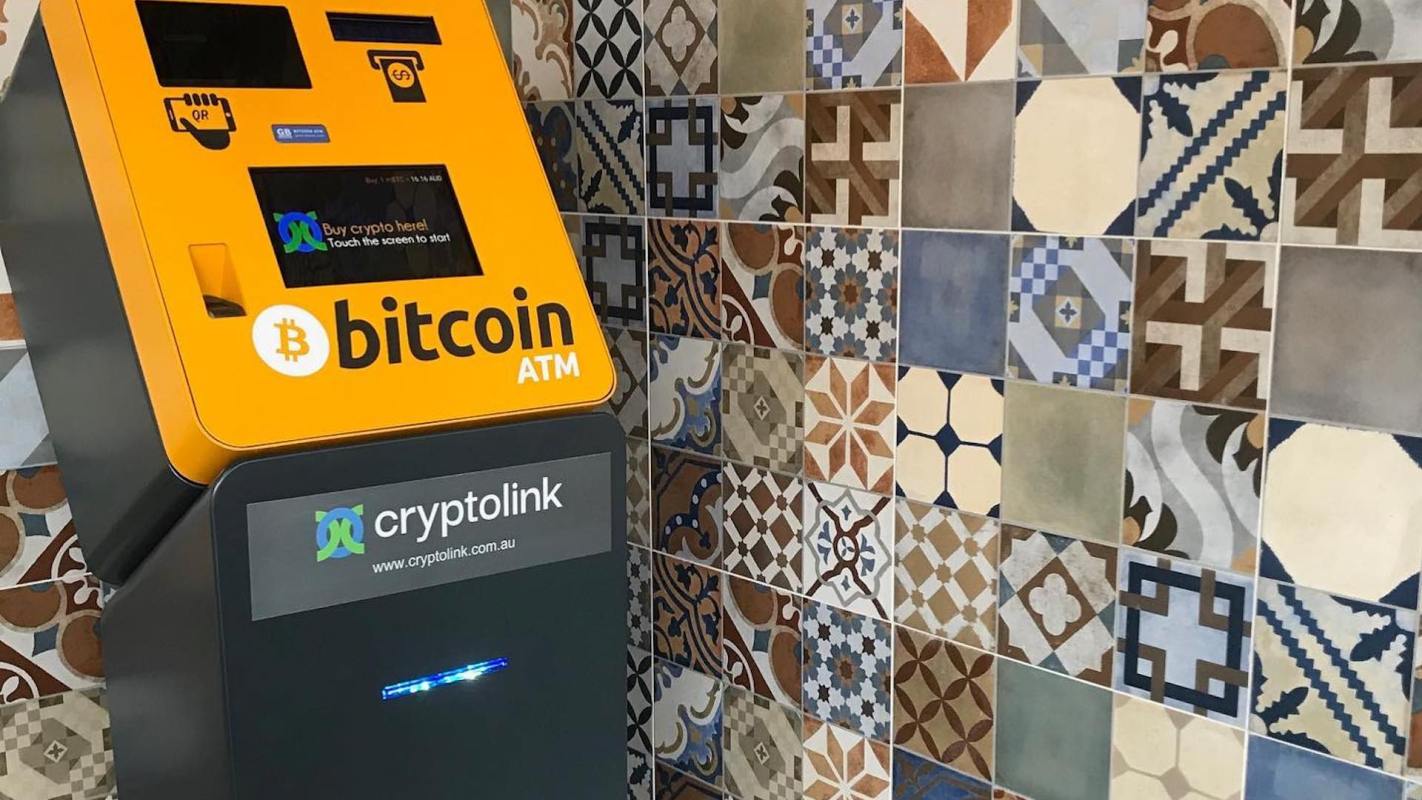
Australia's latest enforcement step against cash-to-crypto machines has sidelined a major operator, leaving 96 crypto ATMs across the country out of service.
What happened?
Starting August 9, 2026, AUSTRAC paused Cryptolink Pty Ltd.'s Virtual Asset Service Provider registration for three months.
Because the business needs that registration to keep operating, the halt took all 96 of its crypto ATMs offline nationwide.
At the center of the case were Threshold Transaction Reports, which must be submitted within 10 business days of a cash transaction exceeding 10,000 Australian dollars (around $7,049).
AUSTRAC said Cryptolink did not file those reports as required, undermining a system authorities use to monitor large cash movements for potential fraud or money laundering.
This came after earlier regulatory action in 2025, when AUSTRAC fined Cryptolink 56,340 Australian dollars (around $39,726) and placed the company under an enforceable undertaking intended to improve its monitoring and reporting.
TCD Picks » Quince Spotlight
💡These best-sellers from Quince deliver affordable, sustainable luxury for all




But AUSTRAC CEO Brendan Thomas said, "While Cryptolink met the conditions stipulated in its enforceable undertaking, it subsequently failed to meet basic reporting obligations, particularly for threshold transaction reports."
Why does it matter?
Regulators see the suspension as part of a much wider problem, not just a dispute with one operator.
According to AUSTRAC, 85% of the transaction value generated by Cryptolink's 90 most active users was linked to scam or mule activity. The agency also said Australians over 50 accounted for nearly 72% of crypto ATM transaction value, with people ages 60 to 70 making up 29%.
In many of these scams, a victim is contacted by phone or text, told to put cash into a crypto ATM, and directed to send the funds to a wallet controlled by the scammer. After the cryptocurrency is transferred, it usually cannot be recovered.
Australia is not the only country responding to the issue; the FBI recorded 13,460 complaints tied to crypto ATMs and kiosks in 2025, with losses totaling $389 million. About two-thirds of that money was lost by adults 60 and older.
Taken together, those figures have led more regulators to treat cash-fed crypto ATMs as an especially high-risk part of the market.
What's being done?
Australia already caps individual cash deposits and withdrawals at crypto ATMs at A$5,000, and it has also required stronger customer checks and scam warnings on the machines.
Lawmakers are also weighing legislation that would give AUSTRAC the power to restrict or ban "high-risk financial products, services, and delivery channels," including crypto ATMs.
Elsewhere, Indiana and Tennessee have taken steps to ban crypto ATMs, while other operators have been hit with lawsuits and licensing actions over alleged weaknesses in anti-fraud controls.
In May, Bitcoin Depot, once the largest Bitcoin ATM operator in North America, filed for Chapter 11 after citing tighter rules and falling transaction volume.
"Cryptolink was given the opportunity to comply but could not meet its obligations despite the enforceable undertaking," Thomas said.
He added, "We will continue to keep a close watch on the cryptocurrency sector, particularly businesses operating crypto ATMs, and will take action where we identify serious risks or non-compliance."

Get TCD's free newsletters for easy tips, smart advice, and a chance to earn $5,000 toward home upgrades. To see more stories like this one, change your Google preferences here.






