


Familiar brand names still line store shelves, but some Americans have said the products themselves no longer feel as dependable as they once did.
Complaints stretch from failing zippers to broken cookware and have fueled concerns that takeovers by larger corporate owners may be weakening household names once seen as reliable.
What's happening?
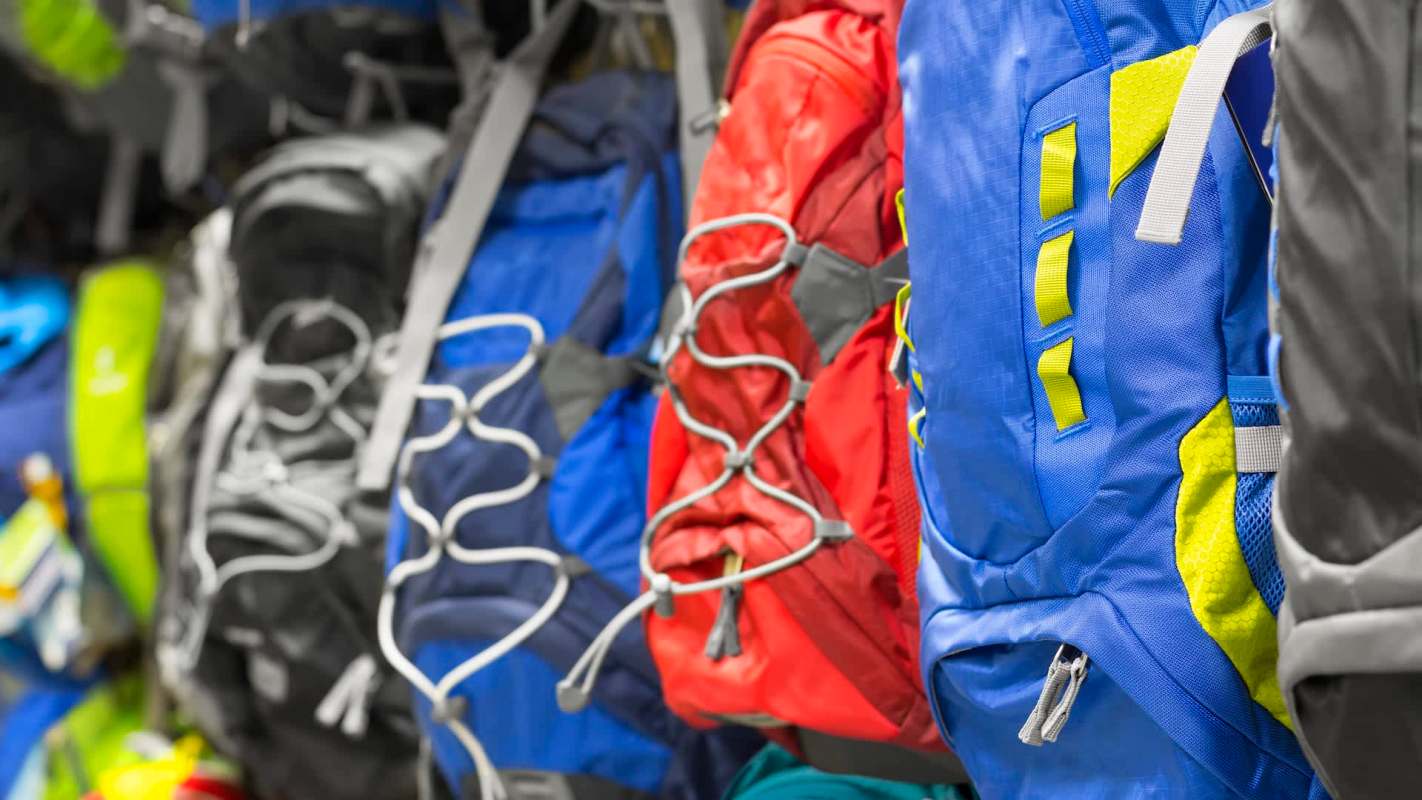
As The Guardian reported, a backpack purchase led Keyana Sapp, who created the publication Worse on Purpose, into a broader search on brand ownership.
After finding that JanSport, Eastpak, and The North Face were owned by the same parent company, Sapp expanded the research to shoes, tools, cookware, and clothing, and kept seeing similar patterns. The overlap was not limited to backpacks.
"It seems like that was a story that just repeated in every industry," Sapp told the outlet, describing big conglomerates and private equity firms buying up "trusted brands and riding that reputation out until it was a husk of what it was."
Data points to rising dissatisfaction as well. The National Consumer Rage Study found that three-quarters of Americans experienced a quality or service issue in 2025, twice the rate recorded when the survey began in 1976.
TCD Picks » Quince Spotlight
💡These best-sellers from Quince deliver affordable, sustainable luxury for all




The American Customer Satisfaction Index from the University of Michigan showed record complaint levels even as corporate profits reached an annualized $3.9 trillion in the first quarter of 2025, per The Guardian.
Why does it matter?
Lower-quality products can mean replacing basic essentials more often, spending more on items that fail sooner than expected, and generating more waste in the process.
When everyday items break down too quickly — whether that means a coat wearing out after light use or a casserole dish cracking in the oven — a purchase from a once-trusted brand can become an unexpectedly costly letdown.
The power balance inside companies has also shifted, Columbia University law professor Dorothy Lund told The Guardian.
TCD Picks » Quince Spotlight
💡These best-sellers from Quince deliver affordable, sustainable luxury for all
She said executives face "gun-to-the-head pressure to maximize shareholder returns," which can make cost-cutting a priority even when customers end up with worse products and worse service.
The Guardian also cited Ben & Jerry's co-founder Ben Cohen, who said the decline can unfold in small steps before it becomes undeniable.
"I don't believe in this idea that you take a sliver off the loaf of baloney and nobody realizes it … and then the next year you take another sliver off, nobody realizes it," Cohen observed.
"You keep on doing that, year after year, and all of a sudden, you don't have any baloney [anymore]," he added.
What can I do?
Sapp's advice is simple: Buy from smaller independent companies whenever possible, and check who owns a brand before making a purchase.
Sapp has built that idea into a database that ranks hundreds of brands from "approved" to "avoid," using ownership structure as part of the criteria.
Other independent apps and websites are also trying to fill a gap left by shrinking local business coverage by tracking acquisitions and product changes.
"The easiest thing any consumer can do is just say, 'Wherever I can, I'm going to buy independent, rather than from a big conglomerate,'" Sapp noted.

Get TCD's free newsletters for easy tips, smart advice, and a chance to earn $5,000 toward home upgrades. To see more stories like this one, change your Google preferences here.







