


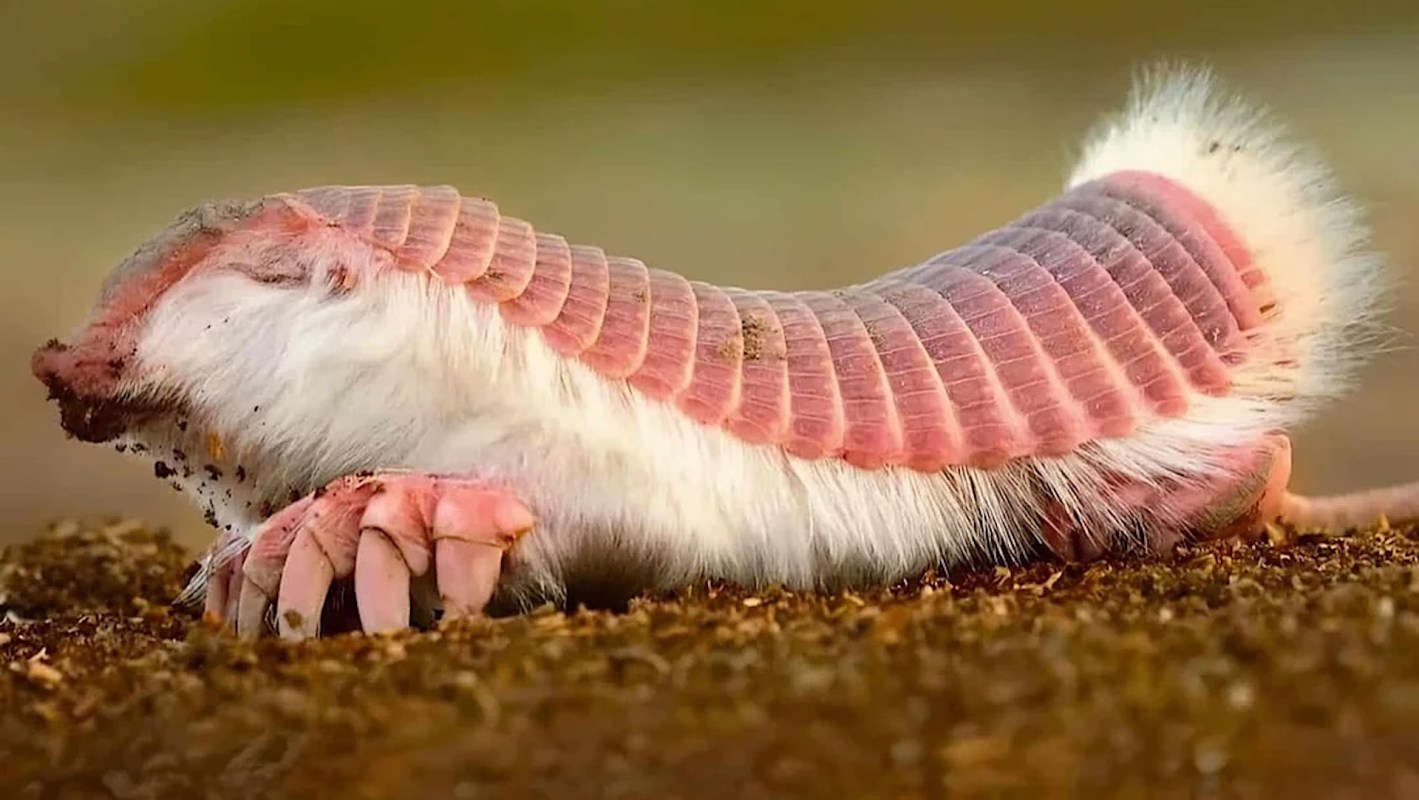
A tiny animal with a rosy shell, silky white fur, and a body small enough to fit in your palm looks like something a special-effects team dreamed up for a sci-fi movie.
But the pink fairy armadillo is very real — and a viral Reddit post is showing just how strange Earth's wildlife can be.
What's happening?
The image spreading online features the pink fairy armadillo, a little-known species from Argentina that looks very different from the armadillos most people recognize.
On Reddit, users reacted with amazement, while the original poster identified it as "the world's smallest armadillo species."
The World Wildlife Fund describes the tiny armadillo (seen in the primary photo above) as "about the size of a dollar bill," a nocturnal animal that is incredibly rare to see in the wild. Scientists know very little about its population size.
Why does it matter?
Viral attention like this can bring an unfamiliar species into view.
TCD Picks » Quince Spotlight
💡These best-sellers from Quince deliver affordable, sustainable luxury for all




The pink fairy armadillo is a reminder that biodiversity is not limited to the large, famous, or charismatic animals that tend to dominate nature documentaries. Some of the most remarkable creatures are also the easiest to overlook, especially when they are small, elusive, and rarely seen.
Public awareness often shapes public concern. When people discover that a real animal can look this extraordinary, that realization can spark curiosity about where it lives, what it needs to survive, and how many other species remain largely invisible outside their home habitats.
The natural world is still full of surprises.
What can I do?
Learning about lesser-known wildlife beyond the viral image can mean following reputable conservation organizations, reading more about native species in South America, or supporting groups that protect habitat and biodiversity more broadly.
Wildlife content is best shared without treating unusual animals as collectibles, exotic pets, or props for entertainment, and with caution toward content that encourages handling or disturbing wild creatures.
Supporting local habitat restoration, science education, and wildlife-friendly practices can help build that same appreciation.

Get TCD's free newsletters for easy tips, smart advice, and a chance to earn $5,000 toward home upgrades. To see more stories like this one, change your Google preferences here.






