


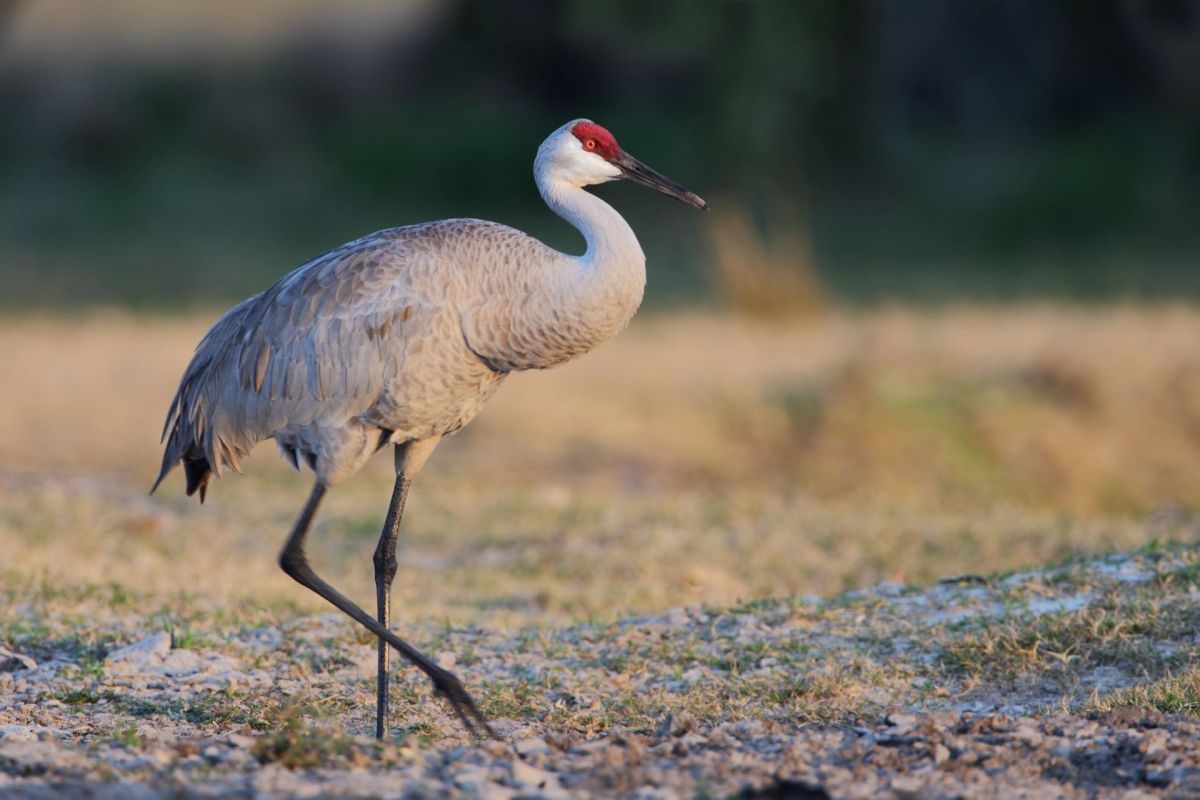
Footage of a wildlife faceoff is prompting fresh appreciation for one of North America's most imposing birds.
In the viral video, a sandhill crane stands firm while a young grizzly bear approaches it, turning the moment into a tense standoff.
What happened?
The clip was posted to Reddit's r/NatureIsF******Lit community. The original poster credited the video to Instagram's BrushBuck Wildlife Tours (@brushbuck_tours).
The stunning encounter features the crane not only staying put but also backing the bear down in an imposing display of confidence. With its wings spread wide, the bird made itself look far larger than it actually was.
(Click here if the embedded video does not appear.)
According to the National Audubon Society, the sandhill crane on average weighs under 10 pounds, putting it at an apparent massive disadvantage when compared to a grizzly, even if the latter is not fully grown.
TCD Picks » Quince Spotlight
💡These best-sellers from Quince deliver affordable, sustainable luxury for all




Much of the discussion focused on the crane's presence, with viewers remarking on how commanding sandhill cranes can seem when they extend their wings and refuse to yield.
Several users also pointed to the grizzly's age as part of the explanation for the unusual dynamic. As one commenter put it: "[Sandhill cranes are] big, but this is also a small bear. Looks pretty young."
Another idea raised in the comments was that the crane may have been defending something important, such as a nest, eggs, or chicks.
Why does it matter?
Animal encounters are rarely simple, and even animals that seem vulnerable can be bold, strategic, and territorial when the stakes are high.
Size is clearly not the only factor in a confrontation. Instinct, posture, territory, and timing can all shape how an interaction unfolds.
If you spot a sandhill crane or grizzly bear in the wild, the safest move is usually the simplest one: Keep your distance. Use your phone or binoculars to get a closer look rather than moving in, and never try to feed or touch wild animals.
That advice is especially important around cranes during breeding and nesting periods, when adults may act aggressively. In areas where bears roam, pets should be leashed, children should stay close, and food should be secured.
If wildlife regularly passes through your neighborhood or travel site, check local guidance before heading out. Learning which species are active can help you avoid surprising them at close range and make an encounter safer for everyone.

Get TCD's free newsletters for easy tips, smart advice, and a chance to earn $5,000 toward home upgrades. To see more stories like this one, change your Google preferences here.







