


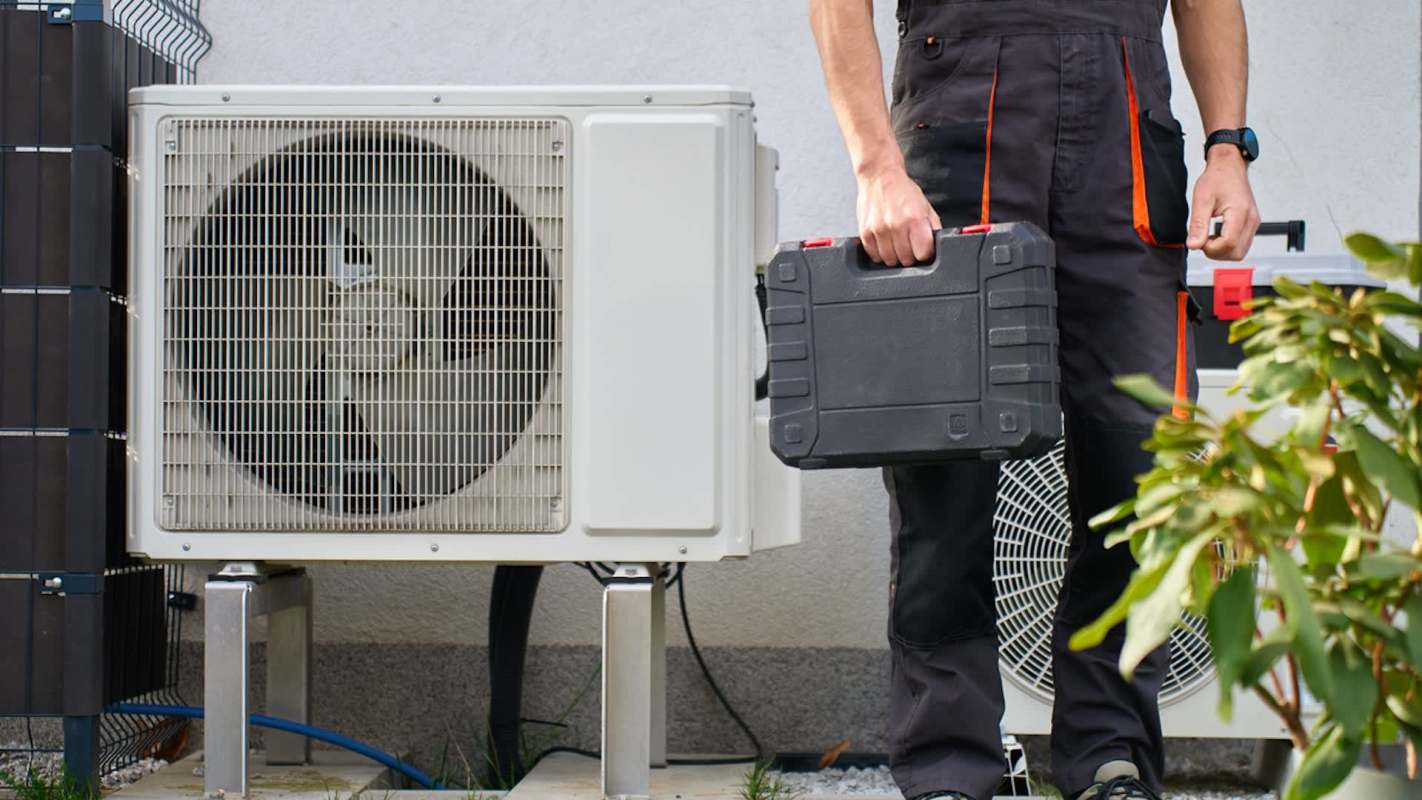
A fight over utility billing rules in New York is drawing attention to a frustrating reality for families trying to electrify their homes: Installing a heat pump does not always guarantee the lower monthly costs many consumers expect.
New York lawmakers said the state should fix default electric delivery rates that can leave heat pump users paying more than they should.
What happened?
Reports of higher-than-expected bills for some heat pump households have led lawmakers to press regulators for a review of utilities' default delivery rates, according to the Daily Freeman.
The concern centers on consumers. Heat pumps are often promoted as a cleaner, highly efficient replacement for heating systems powered by polluting non-renewable energy sources, but those expected savings can be undercut if customers are automatically placed on electric delivery rates that do not reflect how the systems actually use energy.
Delivery charges make up a major portion of many utility bills. Even when a heat pump uses electricity efficiently, a mismatched rate structure can leave the total bill much higher than a homeowner expected when making the upgrade.
The dispute highlights a gap between public policy goals and household experience. Moving residents away from polluting home-heating fuels becomes a harder sell if early adopters feel penalized on their monthly bills.
TCD Picks » Quince Spotlight
💡These best-sellers from Quince deliver affordable, sustainable luxury for all




Why does it matter?
For many families, a heat pump is one of the biggest home upgrades they will ever make. The appeal is that one system can provide both heating and cooling, reduce dependence on fuel deliveries, and lower climate-warming pollution.
In many cases, heat pumps can still save money over time, especially for households replacing oil, propane, or older electric resistance heating. But utility pricing can reduce that financial benefit.
If households are told electrification will cut costs but then face unexpectedly high delivery charges, trust can erode — not just in one utility, but in the broader clean-energy transition.
There is also an equity concern. Higher-income households may be able to absorb a surprise bill or wait years for savings to materialize. Lower- and middle-income residents often cannot, meaning confusing or unfair rate design can slow adoption among the very consumers who could benefit most from stable heating costs and improved indoor comfort.
What's being done?
State lawmakers want the default policy changed so households with heat pumps are not funneled into rate structures that raise their bills, according to the Daily Freeman. If regulators approve a change, electrification could become both more affordable and more predictable for future customers.
Consumers can request a full explanation of supply and delivery charges, ask whether another residential rate class is available, and compare any optional time-of-use plans their utility offers.
It can also help to pair a heat pump with weatherization upgrades such as insulation and air sealing. Those improvements can reduce overall electricity use and make the system cheaper to run, regardless of the rate structure.
Utility pricing rules may determine whether those benefits show up where families feel them most: on the monthly bill.

Get TCD's free newsletters for easy tips, smart advice, and a chance to earn $5,000 toward home upgrades. To see more stories like this one, change your Google preferences here.






