


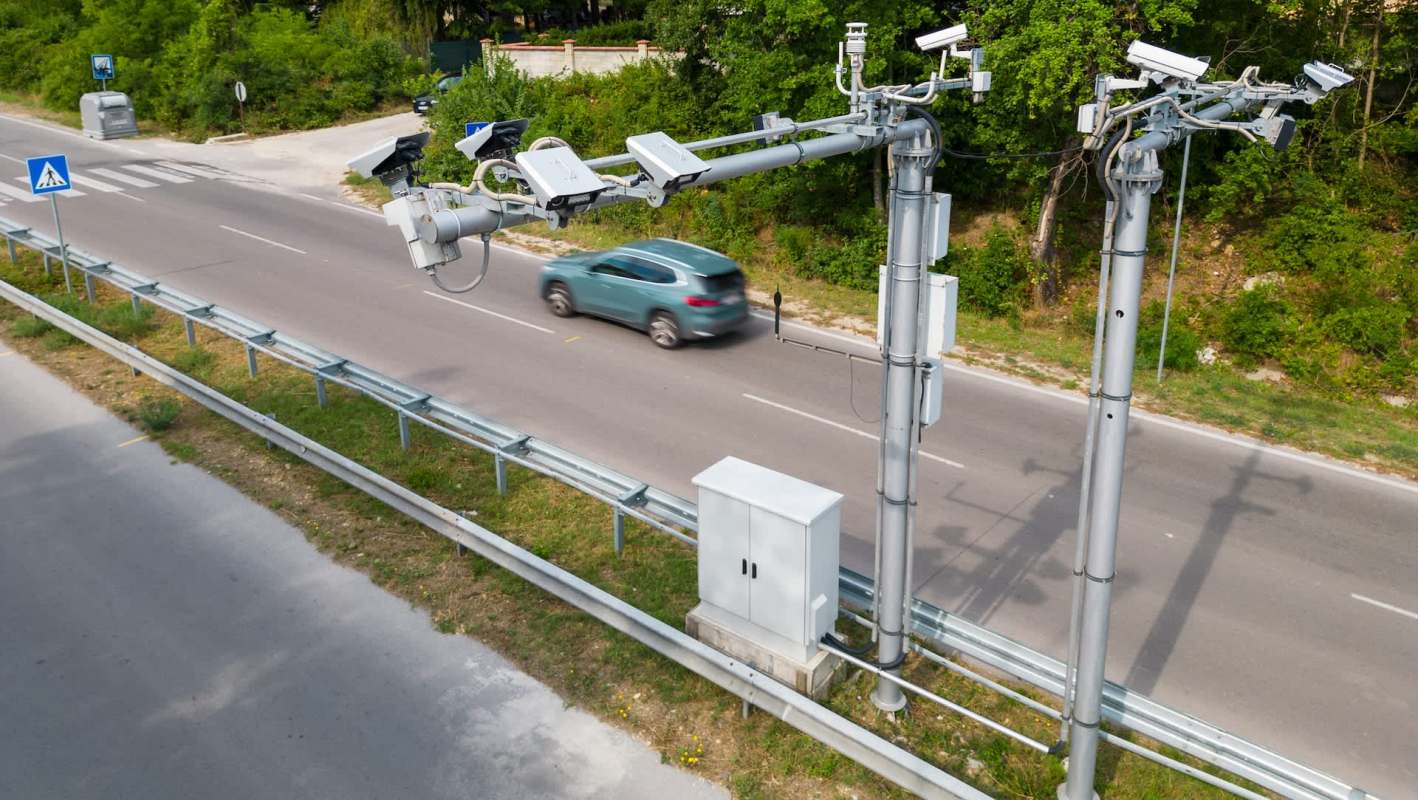
Connecticut Governor Ned Lamont is pressing pause on a fast-growing surveillance tool that officials have said helps solve crimes and improve road safety, calling for the state to review safety cameras and automated license plate reader technology.
The move could shape how communities across the state balance public safety and personal privacy as more cameras and automated license plate readers appear on local streets.
What's happening?
According to WFSB, Lamont has asked the Connecticut Police Officers Standards and Training Council to conduct a formal review of safety cameras and automated license plate readers, with an emphasis on how they are being used and what privacy safeguards exist for residents whose movements may be recorded.
Lamont said, "I am in agreement with the many residents across Connecticut who are seeing this technology being implemented by their towns and are wondering what types of privacy protections are being implemented for ordinary people who are just going about their lives."
He wants guidance identifying the camera and ALPR systems in use and explaining what Connecticut law permits agencies to do with the data, including how long it can be kept and when it may be shared.
The review is also expected to examine the state's Trust Act, Shield Law, and data confidentiality rules, while recommending policies to adopt before departments roll out the technology.
TCD Picks » Quince Spotlight
💡These best-sellers from Quince deliver affordable, sustainable luxury for all




Why does it matter?
Automated license plate readers can be useful in investigations because they help law enforcement identify vehicles tied to crimes, stolen cars, or public safety threats. At the same time, the systems can also create detailed records of where ordinary drivers have been, raising concerns about who can access that information and how long it remains stored.
Large databases of location information can also sweep up commuters, parents doing school pickups, workers heading to jobs, and neighbors simply moving through town.
Lamont acknowledged that tension directly in his statement: "I understand that this equipment is intended to keep our towns and roads safe ... but we must have clear policies in place regarding what is happening with this data, who has access to it, and how it can be used."
What's being done?
Lamont is pressing the state to establish those guardrails before the technology is used more broadly. He said the guidance should be in place before police departments begin using the systems, treating oversight as something to set up in advance rather than later.
Part of the review is to spell out the rules Connecticut already has and determine where additional standards may be necessary. That includes limits on acceptable data use, retention timelines, and data sharing.
Some of those privacy concerns have been addressed in part. In May, Lamont signed legislation that included provisions meant to clarify questions tied to safety cameras and license plate reader systems.

Get TCD's free newsletters for easy tips, smart advice, and a chance to earn $5,000 toward home upgrades. To see more stories like this one, change your Google preferences here.






