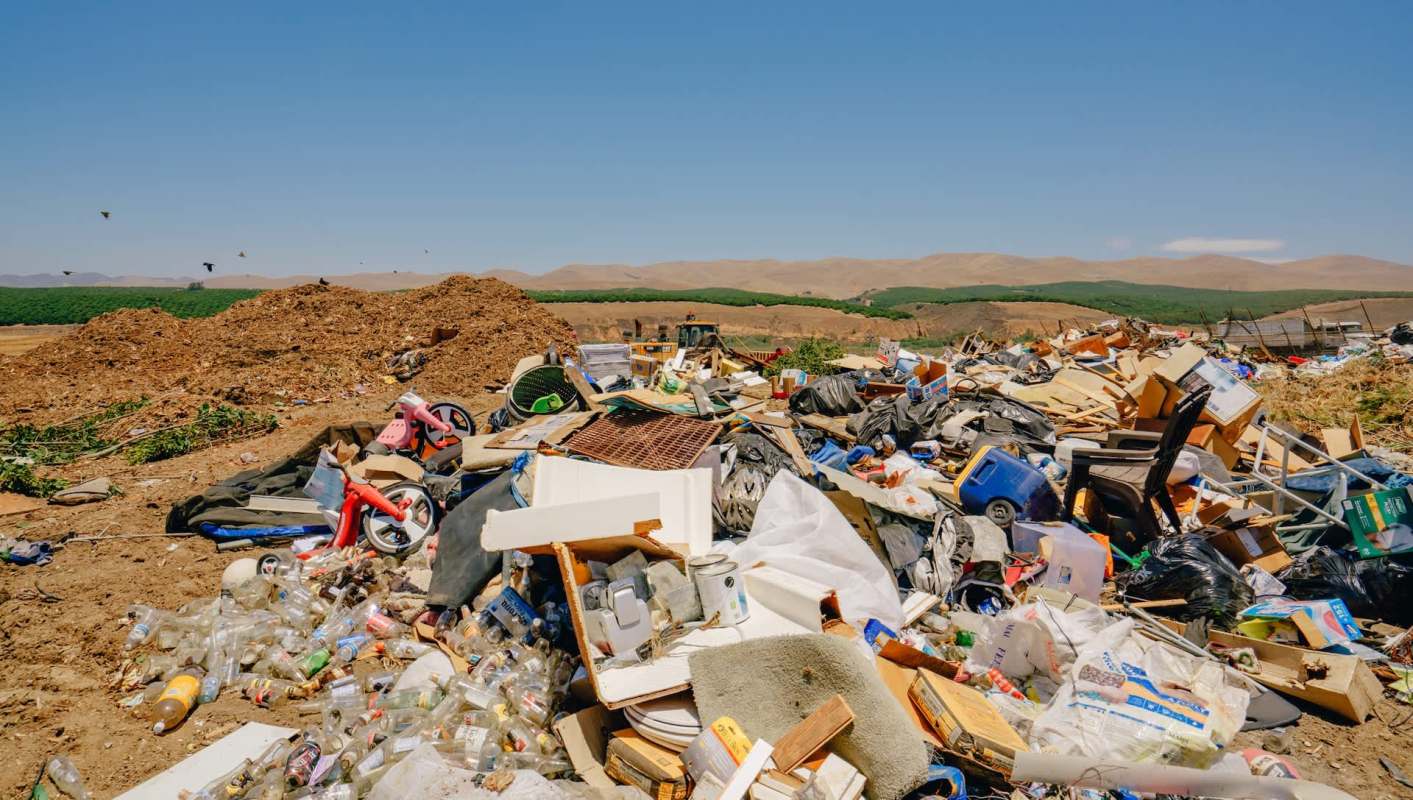
A sprawling underground fire at a Los Angeles landfill has grown into a serious threat after burning for years.
Regulators have reported that the blaze has tripled in size and warned that a warped mound of trash on the hillside could collapse in a potentially toxic landslide.
The crisis is also raising concerns beyond the specific landfill. Officials are now questioning whether similar conditions could be developing at other landfills across California, potentially creating a wider environmental and public health concern.
What's happening?
According to the News Tribune, at Los Angeles County's Chiquita Canyon Landfill, environmental regulators believe part of the site's pollution-control system may have let oxygen reach waste deep underground. They say that exposure sped up decomposition and created extreme heat, a fire, toxic gases, and hazardous liquid waste.
Officials first confirmed the underground fire in 2023, and the News Tribune reported that it has since expanded to about three times that size.
Nearby communities, especially Val Verde and Castaic, have felt the effects sharply. Residents have submitted thousands of odor complaints and reported symptoms such as nausea, dizziness, and breathing problems, the outlet reported.
TCD Picks » Quince Spotlight
💡These best-sellers from Quince deliver affordable, sustainable luxury for all




According to the News Tribune, state officials have said a huge garbage mound on the landfill's western side has changed shape, increasing fears that trash and leachate could slide downhill.
Assembly member Pilar Schiavo, D-Santa Clarita, warned at a news conference, "In a worst case scenario, the hillside can liquefy and actually slide into the community."
Concern now extends beyond Chiquita Canyon. Regulators have said excessive underground heat has also been found at El Sobrante landfill near Corona, where at least 30 acres have been affected, and at another site in California's San Joaquin Valley.
Why does it matter?
This is as much a public health issue as an environmental one. When landfill fires smolder underground, they can release gases and chemical byproducts over long periods, and those exposures can disrupt daily life even as officials work to determine the full extent of the risk.
TCD Picks » Quince Spotlight
💡These best-sellers from Quince deliver affordable, sustainable luxury for all
Nearby families can face headaches, respiratory irritation, sleep disruption, and the constant stress of not knowing when conditions might improve.
Residents around Chiquita Canyon have already taken drastic measures, including wearing gas masks, seeking refuge at relief centers, and even selling their homes, the News Tribune reported.
Although the landfill stopped accepting new waste at the end of 2024, the buried trash already in place can continue burning for years.
The uncertainty also reaches far beyond Santa Clarita. If multiple California landfills are dealing with extreme subsurface heat, regulators may be confronting a broader waste-management safety problem rather than a one-off disaster.
What's being done?
State and federal environmental agencies are continuing to investigate the fire and the unstable hillside while workers use heavy equipment to stabilize the damaged section of the landfill. Underground landfill fires are notoriously difficult to extinguish once they begin.
Waste Connections, the landfill's owner and operator, said it has been working in that part of the site as officials monitor the risk of movement. Local relief efforts have also been set up for residents who need temporary escape from the odor, the News Tribune reported.

Get TCD's free newsletters for easy tips, smart advice, and a chance to earn $5,000 toward home upgrades. To see more stories like this one, change your Google preferences here.