


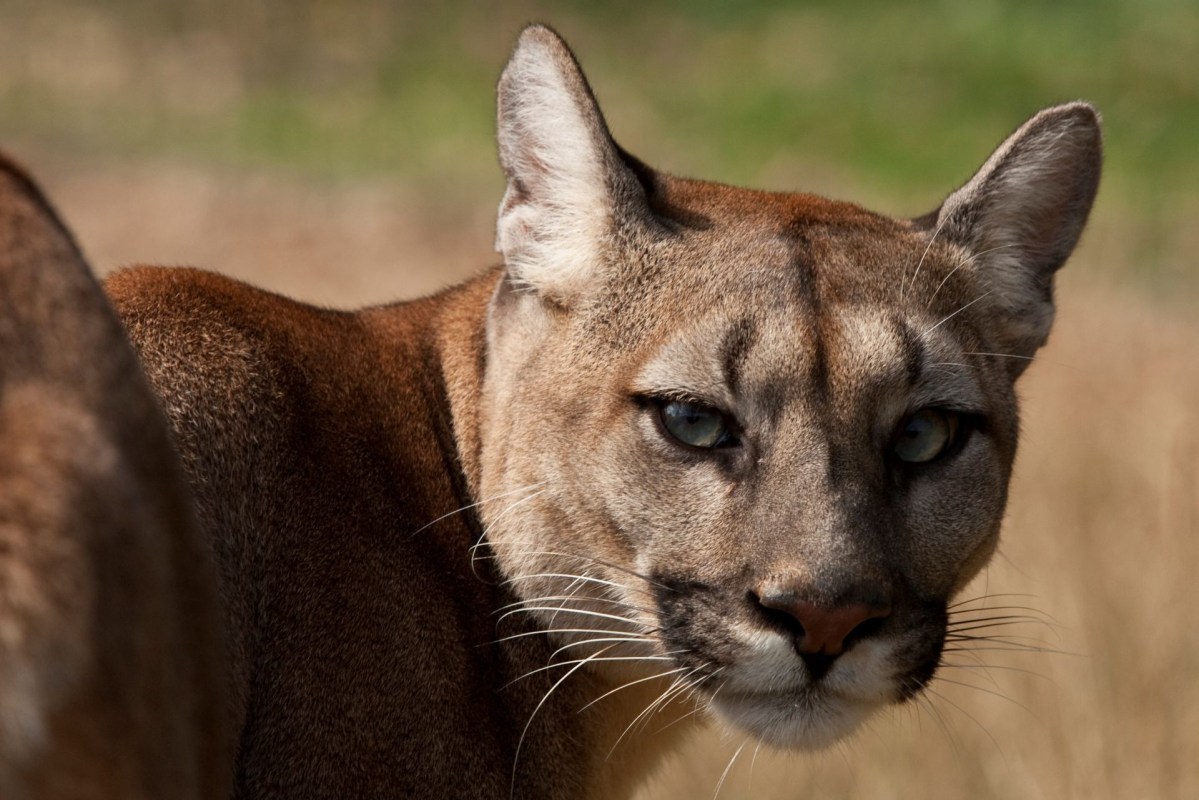
In Ventura County, California, a family's backyard became an impromptu viewing spot when a mountain lion spent hours lounging in a tree, drawing a crowd of curious neighbors.
The dramatic scene also pointed to the reality that in Southern California, people and wild animals are increasingly sharing the same spaces.
What happened?
On August 8, a mountain lion climbed up a tree in a Ventura County neighborhood, where curious residents gathered to see it.
Resident Karla Menjivar told KTLA that her family's dogs reacted as soon as the big cat appeared, saying, "There was chaos in the backyard. We had to call [them] inside in the middle of the night."
However, she hadn't realized that the reason behind their crazed barking was due to an apex predator. The next morning, Menjivar's father warned her that there was a mountain lion in their yard up a tree.
The family then warned their neighbors. Resident Toni Francis explained to KTLA that, "Thankfully our neighbor called this morning and said, 'Don't go outside. We've got a mountain lion in our tree.'"
TCD Picks » Quince Spotlight
💡These best-sellers from Quince deliver affordable, sustainable luxury for all




Authorities said the animal eventually climbed down and left on its own. A Ventura County sheriff's deputy was deployed to help with crowd control near the tree.
The incident follows two other Southern California mountain lion reports, one in San Dimas and another in Camarillo, as reported by KTLA.
Why does it matter?
Human activity continues to reshape animal habitat and movement patterns.
A mountain lion resting in a backyard tree highlights growing tension along the edges of human development. As housing spreads farther into natural areas, large predators can end up moving through and near neighborhoods where people, pets, and wildlife all face greater risks.
As BBC Future has explored, close encounters between people and wild animals are often linked to shrinking habitat and increased overlap between human and animal spaces. These big cats often have to move through heavily populated neighborhoods along the edge of their habitat to find enough food, water, and shelter.
However, as Byron Weckworth of the Mountain Lion Foundation explained to KTLA, "I think the increased sightings are partly because you have increased ways to detect them with doorbell cameras."

Get TCD's free newsletters for easy tips, smart advice, and a chance to earn $5,000 toward home upgrades. To see more stories like this one, change your Google preferences here.







