


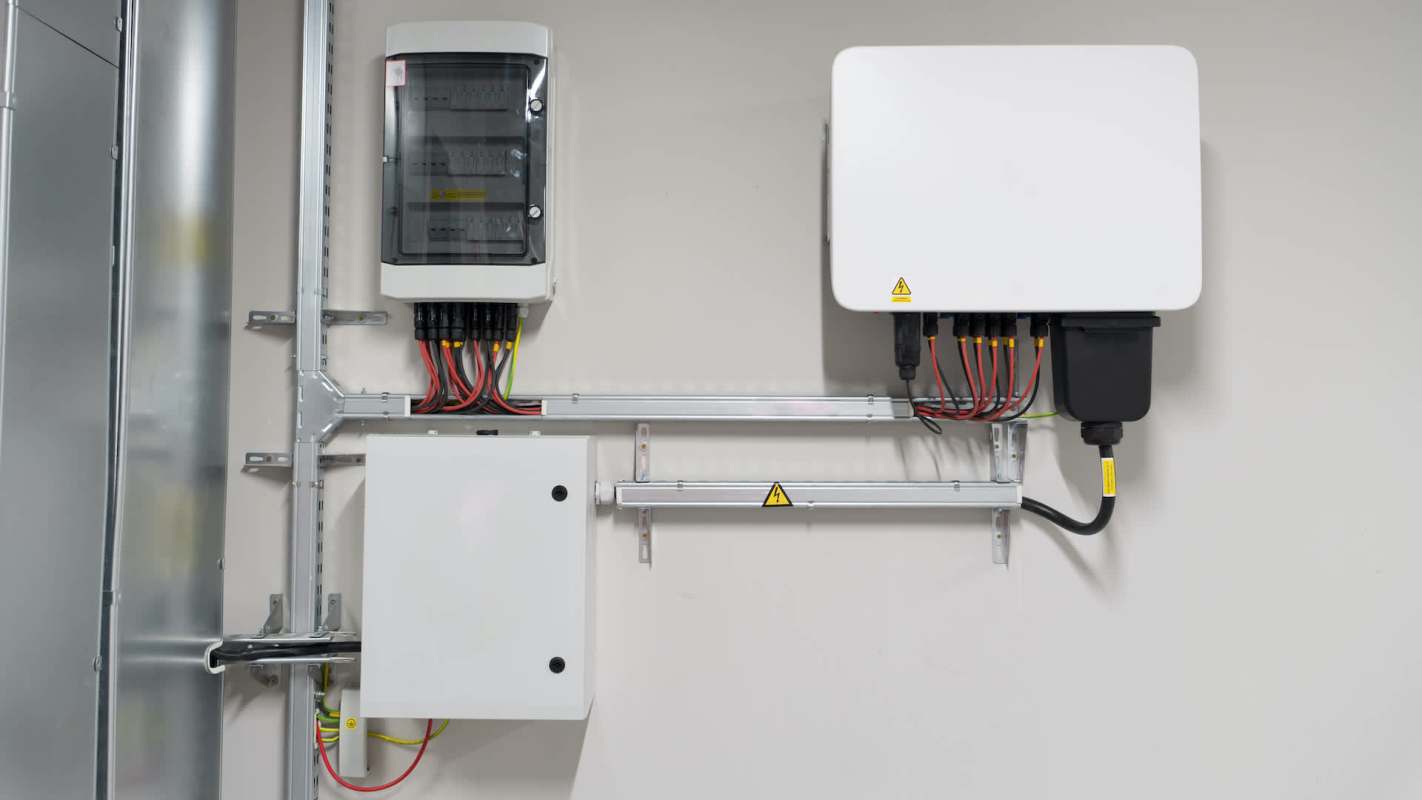
In New Jersey, officials are weighing a plan that would allow homeowners to use batteries as emergency energy backups and a way to earn extra money.
Under the proposal, storage systems installed at customers' homes could join a virtual power plant program, helping the grid when electricity demand surges and paying participants for taking part.
What's happening?
On July 15, the New Jersey Board of Public Utilities issued a straw proposal for a two-year, technology-neutral VPP. The state's electric distribution companies would oversee it, and it would need to launch no later than July 1, Utility Dive reported.
In its transitional form, the program would cover customer-sited batteries as well as other distributed energy resources. Officials are also looking ahead to a market-based, open-access VPP tariff for 2029 and beyond. Where rules allow, participants could combine payments for local grid services with wholesale market revenue from PJM Interconnection.
If you're curious what a battery setup could look like for your own home, it may be worth exploring EnergySage's free tools to compare home battery storage options and get competitive installation estimates. EnergySage has teamed up with the electrification brand Qmerit to guarantee you get the best price on home battery storage solutions.
For people who want a small-scale backup option, Pila is worth checking out. Its plug-and-play batteries are priced at a fraction of what whole-home backup systems cost.
Why does it matter?
For homeowners, battery storage is one of the best tools for riding out blackouts because it can keep critical equipment such as lights, refrigerators, medical devices, and internet service operating when grid power fails.
Batteries can also trim power bills by saving solar energy or low-cost electricity for use later, and they can help households move closer to off-grid living or rely less on their utilities.
Save $10,000 on solar panels without even sharing your phone number Want to go solar but not sure who to trust? EnergySage has your back with free and transparent quotes from fully vetted providers in your area. To get started, just answer a few questions about your home — no phone number required. Within a day or two, EnergySage will email you the best options for your needs, and their expert advisers can help you compare quotes and pick a winner. Solar panels can save you more than $50k over their 25-year lifespan, and EnergySage can help you save as much as $10k on installation. Which begs the question — isn't that worth an email or two? |

As opposed to large power plants, VPPs let utilities and grid operators draw on many smaller devices at the same time. That can ease pressure on a grid during peak-demand periods and reduce pollution derived from fossil-fuel-based plants.
The BPU said any program should be guided by principles including fair design, technology-neutral rules, equal access for aggregators, and coordination among programs so participants are not compensated twice for the same service, Utility Dive reported.
Written comments will be accepted by the agency through Monday.
What's being done?
The straw proposal carries out a directive in Executive Order No. 2, which Gov. Mikie Sherrill issued in January. It called for a VPP program to be created within 180 days and pushed for broader participation by distributed energy resources in the PJM Interconnection capacity market.
At a July 30 stakeholder meeting, Tim Fagan, manager for planning and evaluation at Public Service Enterprise Group New Jersey, said the utility is developing a VPP offer that would include an upfront incentive of roughly $5,000 for an 8-kilowatt residential battery.
Participants could cover the remaining installation cost through an on-bill repayment program if they agree to allow a battery to discharge during peak-shaving events, Utility Dive reported.
Andrew Bayne, manager for energy efficiency programs at Pepco Holdings, said Delmarva Power's Delaware "bring your own battery" pilot is providing participants with an estimated $1,080 per year in performance payments sent by direct deposit instead of bill credits.
Such programs are examining how often batteries can be dispatched, which compensation level is enough to keep customers enrolled, and how straightforward the signup process must be for household participation.
Bayne said utilities still need to know whether "that juice [is] worth the squeeze for the customer — is that $1,000 a year worth it? … These devices behave differently when you call upon them."

Get TCD's free newsletters for easy tips, smart advice, and a chance to earn $5,000 toward home upgrades. To see more stories like this one, change your Google preferences here.






