By the close of trading on Aug. 3, Amazon had reached a $3 trillion valuation for the first time, propelled by a blockbuster earnings report and a sharp rise in its stock.
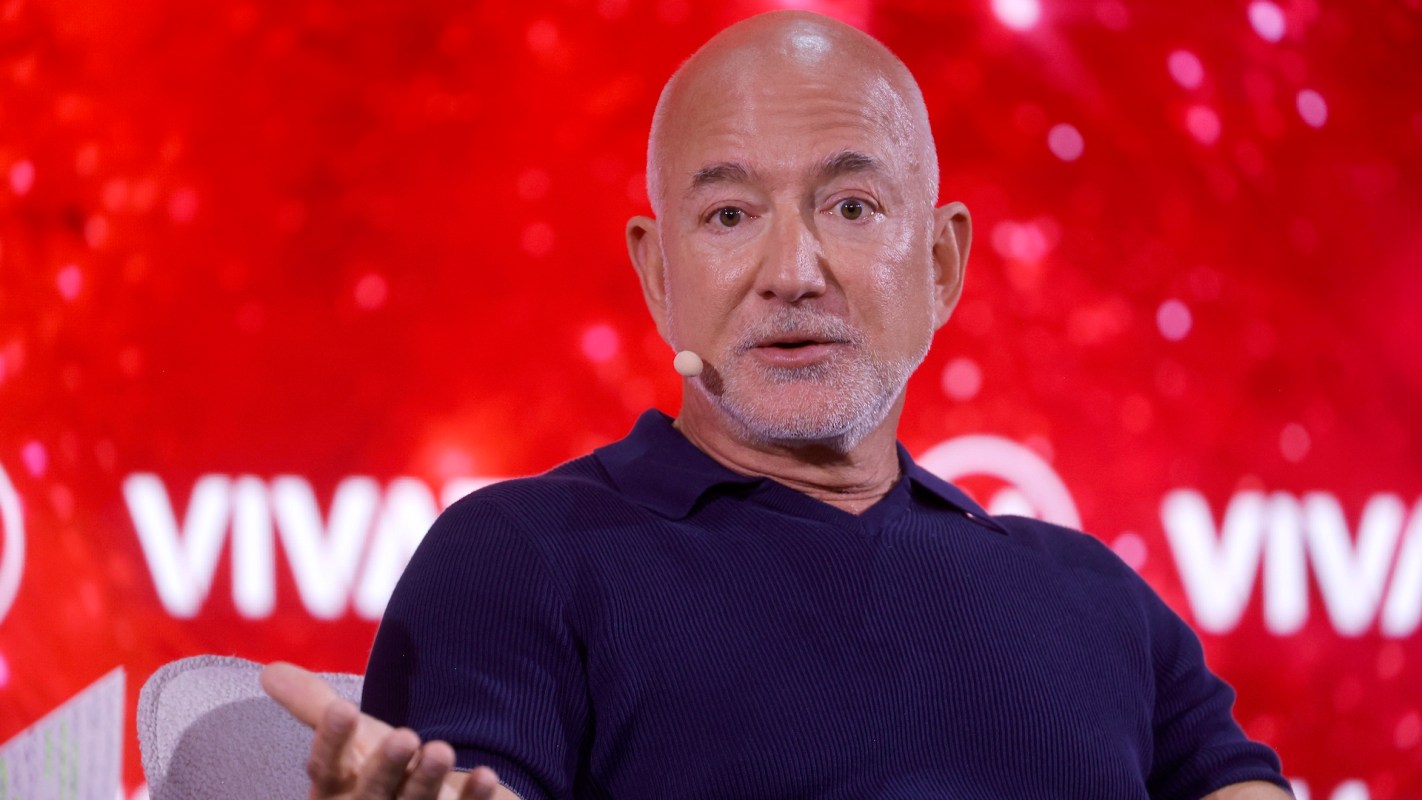
Almost as soon as that milestone arrived, though, a filing revealed that founder Jeff Bezos intended to sell roughly $4 billion worth of Amazon shares.
For many observers, the contrast underscored how even a historic corporate high can come with optics that leave a sour taste.
What happened?
The stock surge was driven by quarterly results that came in well ahead of expectations. Amazon reported second-quarter revenue of $200.61 billion, above forecasts of $196.46 billion and the first time the company topped $200 billion in quarterly revenue, according to 24/7 Wall St.
Much of that momentum came from Amazon Web Services, or AWS, which produced $42.2 billion in revenue, up 37% from a year earlier and its fastest growth rate in 18 quarters. Earnings per share landed at $5.75, far above the expected $1.82.
Still, roughly $53.4 billion of the quarter's income was non-cash and tied mainly to a fresh valuation of Amazon's Anthropic stake, so the results remained highly successful even if the headline numbers looked more dramatic than the underlying performance alone would suggest.
TCD Picks » Quince Spotlight
💡These best-sellers from Quince deliver affordable, sustainable luxury for all




After the July 30 earnings report, Amazon shares finished August 3 at $284.02, enough to place the company in the $3 trillion club alongside some of the world's largest tech firms. On August 3, Bezos disclosed plans to sell 15 million shares worth about $4.07 billion.
The filing said the trades were being made under a Rule 10b5-1 arrangement adopted on November 14, 2025, indicating that the timing had been set in advance rather than signaling a new loss of confidence in Amazon.
Why does it matter?
Amazon is far more than an online shopping giant.
Its cloud business powers a significant share of the internet, business software, and artificial intelligence services that increasingly shape how people work, communicate, and spend money. When AWS grows this quickly, it signals that demand for AI infrastructure remains extremely strong.
Amazon also raised its 2026 capital spending guidance to around $220 billion.
Large-scale AI buildouts can create major opportunities, but they also raise serious questions about energy use, resource demands, and whether the gains from this boom are being shared broadly enough.
Bezos' sale adds another layer to that conversation. Even if the move was pre-planned, billions of dollars changing hands on the same day as a market-cap milestone can frustrate people who are already uneasy about concentrated wealth and the widening gap between corporate gains and everyday financial strain.
The "buzzkill" reaction was not just about one transaction. It reflected a broader tension over how tech wealth, AI expansion, and community impacts are increasingly colliding in plain sight.
What's being done?
Amazon is continuing to invest heavily in AWS and AI infrastructure, betting that strong demand will justify the larger spending plan.
Investors will now be watching closely to see whether the company's third-quarter revenue guidance of $197 billion to $202 billion looks cautious if more of its $496 billion AWS order backlog converts into revenue, per 24/7.
The Bezos sale appears mechanical, not reactive. The transaction was set up in advance, and 15 million shares remains relatively small compared with Amazon's more than 10.78 billion shares outstanding.
The next few quarters should provide a clearer test of whether Amazon's operating strength — especially at AWS — can continue to outweigh concerns about valuation, spending, and public perception.
As CNBC's Jim Cramer put it in a post on social platform X, "Can't begrudge Bezos for selling $4 billion [of] shares…but what a buzzkill."

Get TCD's free newsletters for easy tips, smart advice, and a chance to earn $5,000 toward home upgrades. To see more stories like this one, change your Google preferences here.