


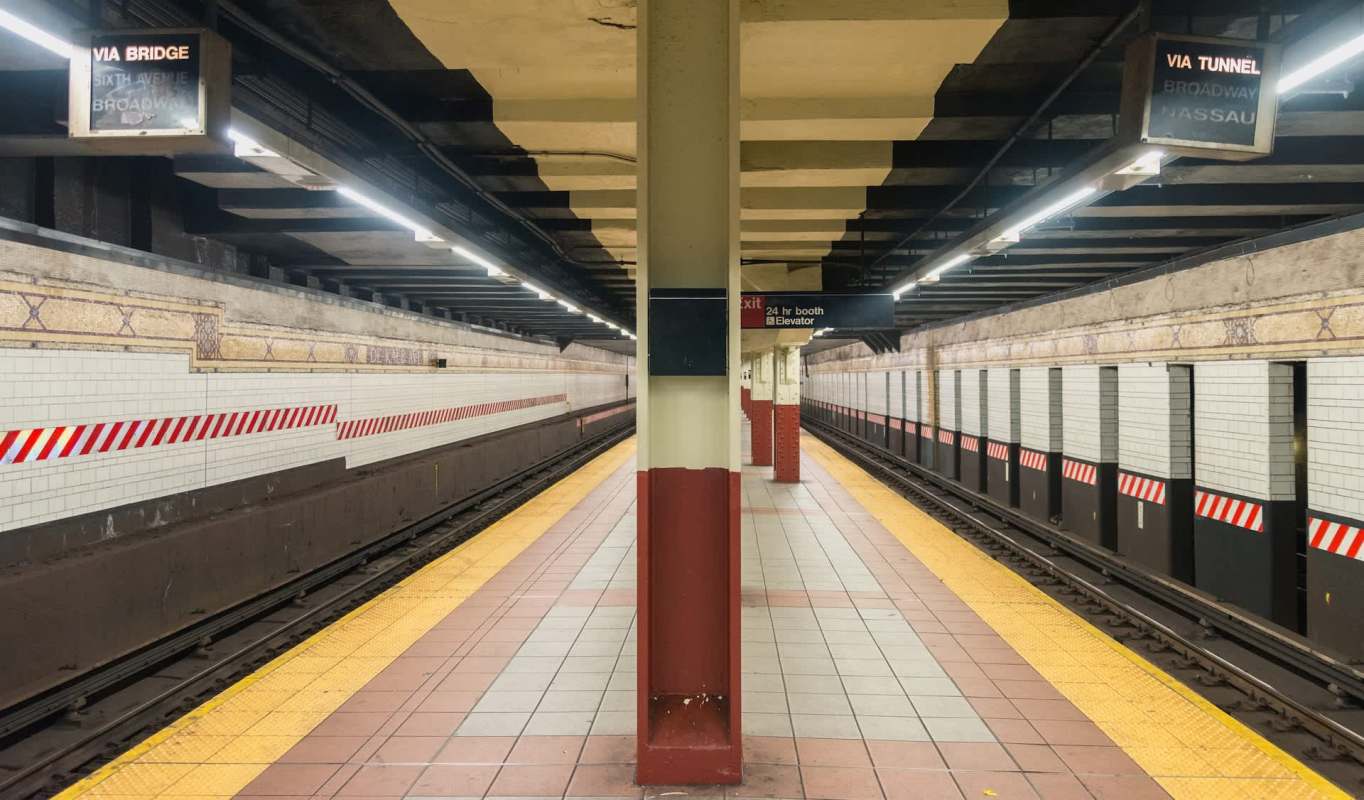
New York officials are studying whether the oppressive heat that builds up in subway stations could be turned into something useful instead of simply making summer commutes miserable.
As Gothamist reported, an $800,000 effort will examine technology meant to draw excess warmth from overheated platforms and save that energy for later.
What's happening?
At the Brooklyn Bridge-City Hall and Chambers Street station complex, officials will test a system known as a thermal energy network, the outlet stated. Mayor Zohran Mamdani, Gov. Kathy Hochul, and the Metropolitan Transportation Authority announced the study Monday.
Under the proposal, heat collected from subway stations in summer would move through geothermal infrastructure and be stored until colder months, when it could warm nearby municipal buildings. If the feasibility study shows the idea is workable, design work would start in 2027.
"There are few feelings worse than escaping the extreme summer heat only to find yourself on a subway platform that is even hotter," Mamdani said in the release.
City data shows how intense conditions can get. The Brooklyn Bridge station averaged 96 degrees in summer 2025, and some stations can be as much as 20 degrees hotter than the temperature outside.
TCD Picks » Quince Spotlight
💡These best-sellers from Quince deliver affordable, sustainable luxury for all




Why does it matter?
The project could mean safer, more tolerable waits on platforms that can feel dangerously hot. Excessive heat can increase stress and make travel especially difficult for older adults, children, and people with health conditions.
The plan would use energy that would otherwise go to waste, capturing subway heat for later use and potentially reducing demand for heating systems in public buildings.
Reusing existing heat can reduce wasted energy and support cleaner building operations in a dense city where both transit infrastructure and municipal buildings consume enormous amounts of power.
More efficient public infrastructure can improve public health, lower operating costs, and help cities adapt to increasingly intense summer heat.
What's being done?
Officials will study whether geothermal boreholes could be placed beneath the abandoned center platform at Chambers Street to collect and store underground heat. The release noted that similar thermal networks already operate at city hospitals and universities, moving heat between buildings.
The MTA has looked at related solutions. Gothamist reported that the agency sought information on comparable geothermal cooling technology for the 1 line's Washington Heights stations at 168th and 181st streets, which are especially hot because they sit deep underground.
At those platforms, which are about 120 feet below ground, the target was to lower summer temperatures to between 82 and 85 degrees, per the outlet. Now, the city is taking a crack at turning the scorching subway platforms into an asset.
"We are harnessing cutting-edge climate technology for a truly cool purpose: making our subway stations tolerable during the summer and heating critical city buildings during the winter," Hochul said in the release.

Get TCD's free newsletters for easy tips, smart advice, and a chance to earn $5,000 toward home upgrades. To see more stories like this one, change your Google preferences here.







