


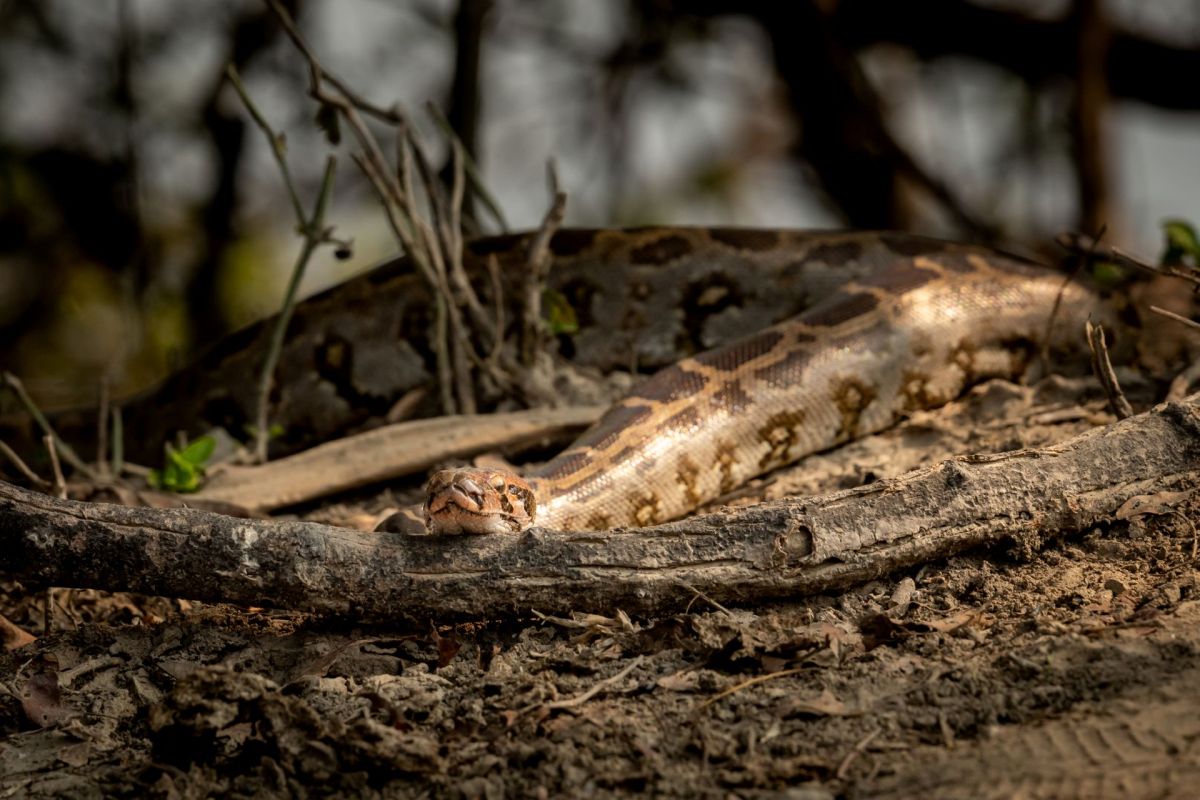
Residents of Avathi village in Mysuru district were rattled after a video surfaced showing a python close to homes. The snake was reported to be nearly 10 feet long, prompting broader concern about encounters with large wild animals near places where people live and work.
What happened?
Social media clips showed the Avathi village snake before many residents had time to process the encounter. Identified as a roughly 10-foot python, it drew alarm largely because an animal of that size was seen so near a settled area.
News Karnataka reported that the sighting heightened worries about snakes entering nearby homes and farmland. Although pythons do not carry venom, their strength means close contact still poses a risk.
Encounters like this are not impossible in Mysuru, where fields, vegetation, and wildlife habitat sit close together. That kind of shared landscape can put residents in tense situations when an animal appears near homes or farm areas, and people are unsure of the safest response.
Why does it matter?
A sighting like this can disrupt daily life almost immediately. People living nearby may become more cautious about walking outside, letting children play near brush, or working in fields where visibility is limited.
Human activity can contribute to these encounters. As farming, construction, and settlement expand into or alongside natural habitat, people and wild animals are more likely to cross paths.
TCD Picks » Quince Spotlight
💡These best-sellers from Quince deliver affordable, sustainable luxury for all




These situations can also be dangerous for animals. A frightened crowd, attempts to chase a snake away, or untrained efforts to capture it can end badly for both people and wildlife. Even a non-venomous python can injure someone if it feels threatened.
What can I do?
The first step is simple: stay back. When wildlife is seen near a house, roadside, or field, people should not crowd it, agitate it, or try to catch it on their own.
Calling trained wildlife rescuers or the Forest Department is the safer option. They can evaluate the situation and handle the animal in a way that lowers the chance of harm or chaos.
Communities can also prepare by sharing local emergency contact numbers, teaching children not to go near wildlife, and checking overgrown areas around paths and work sites to reduce the risk of sudden close encounters.
Coexistence requires planning. When development and agriculture expand near wildlife habitat, communities can benefit from better education, faster response systems, and respect for the animals already living in those landscapes.

Get TCD's free newsletters for easy tips, smart advice, and a chance to earn $5,000 toward home upgrades. To see more stories like this one, change your Google preferences here.







