


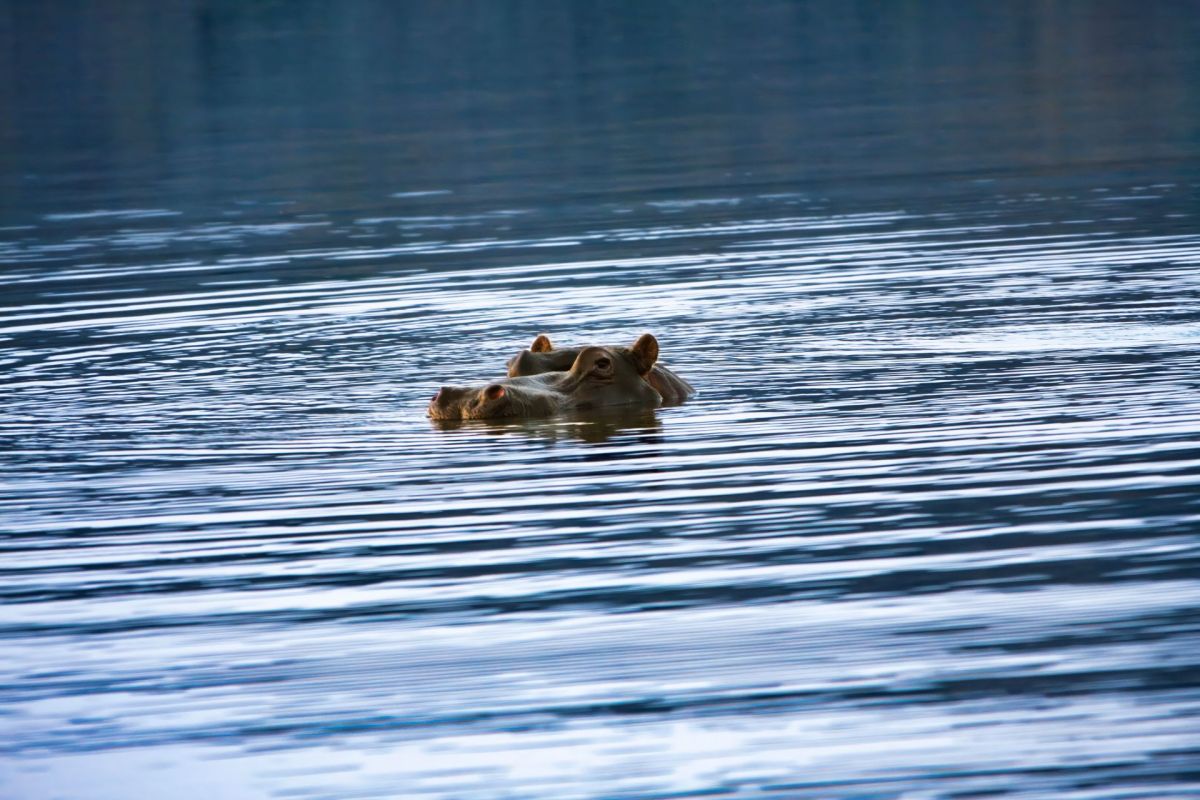
A wildlife tour in Botswana turned into a frantic escape when a massive hippo suddenly charged after a boat carrying sightseers.
The footage is dramatic on its own, but it also serves as a reminder of what can happen when humans and wild animals share the same space.
What happened?
According to Fox Weather, the group was moving through Botswana's shallow waterways when they noticed a lone male hippo some distance away. The boat's captain eased off the throttle, apparently trying to avoid provoking the territorial animal.
Tourist Oznur Bell said the change came fast when she recalled the moment she filmed.
"After watching his behavior for a moment, he calmly said, 'Hold on—we need to speed up now before he decides to come after us,'" she said of the tour operator.
She continued, "The moment we accelerated, we looked back and realized the hippo was chasing us."
TCD Picks » Quince Spotlight
💡These best-sellers from Quince deliver affordable, sustainable luxury for all




Footage shows the animal charging through the water behind them before it finally broke off the chase.
The close call was especially unnerving given the size and strength of hippos. Fox Weather cited the San Diego Zoo Wildlife Alliance, which said the animals can reach about 16.5 feet in length and stand roughly 5.2 feet at the shoulder, with some adult males weighing nearly 10,000 pounds.
Why does it matter?
Being plant-eaters does not make hippos harmless. In waterways, they are known for reacting aggressively to intrusions and are often regarded as some of Africa's most dangerous large animals, meaning a passing boat can be enough to trigger a defensive response.
Human activity is often a key part of wildlife conflicts. Attacks frequently occur when people enter animals' spaces. In this case, the boat did not appear to intentionally provoke the hippo, but its presence in the animal's waterway was enough to create a dangerous encounter.
What can I do?
Choosing operators with strong safety practices and a clear commitment to animal welfare is the most important step on a safari or wildlife boat tour. Good guides know how to read animal behavior, keep a proper distance, and leave quickly when conditions change.
Visitors can also reduce the risk by following instructions immediately, staying quiet, and avoiding any attempt to move closer for photos or videos. Keeping space between people and wildlife is one of the simplest ways to protect both.
It also helps to support tourism models that respect habitat rather than crowd it. Responsible ecotourism can create economic incentives to conserve wetlands and wildlife while minimizing stress on animals.

Get TCD's free newsletters for easy tips, smart advice, and a chance to earn $5,000 toward home upgrades. To see more stories like this one, change your Google preferences here.







