


Backyard gardening can trim grocery bills; support mental and physical well-being; and deliver fresher, better-tasting food.
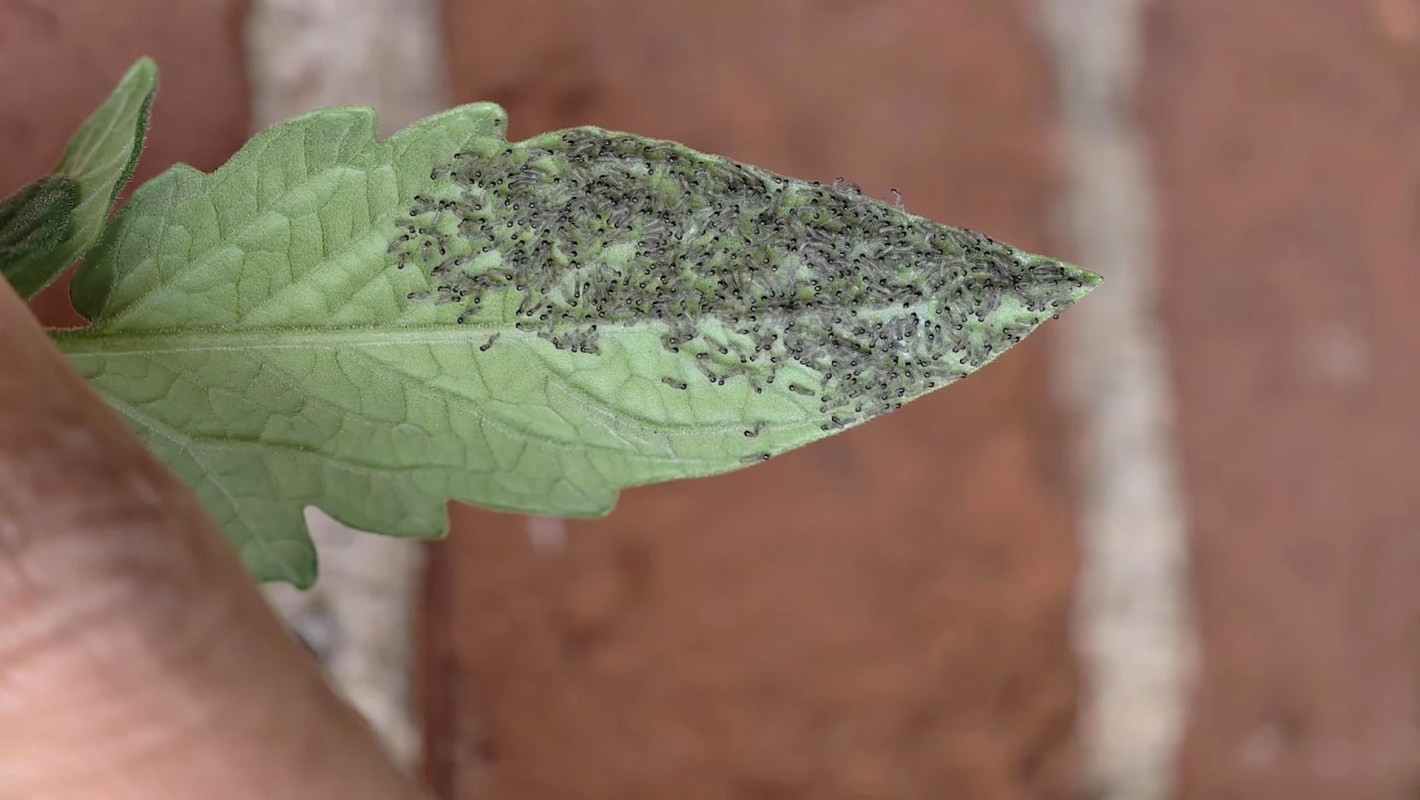
But it can also come with surprises, such as finding a cluster of mystery larvae on a tomato plant. This was the case for one homesteader who shared a photo of some "wormy little guys" with the internet for identification.
What happened?
The gardener posted the image to Reddit's r/homestead forum.
"Does anyone recognize these wormy little guys on my tomato plant, whether they are harmful for the plants? This is the first time I've seen them in all my years of gardening," the poster wrote.
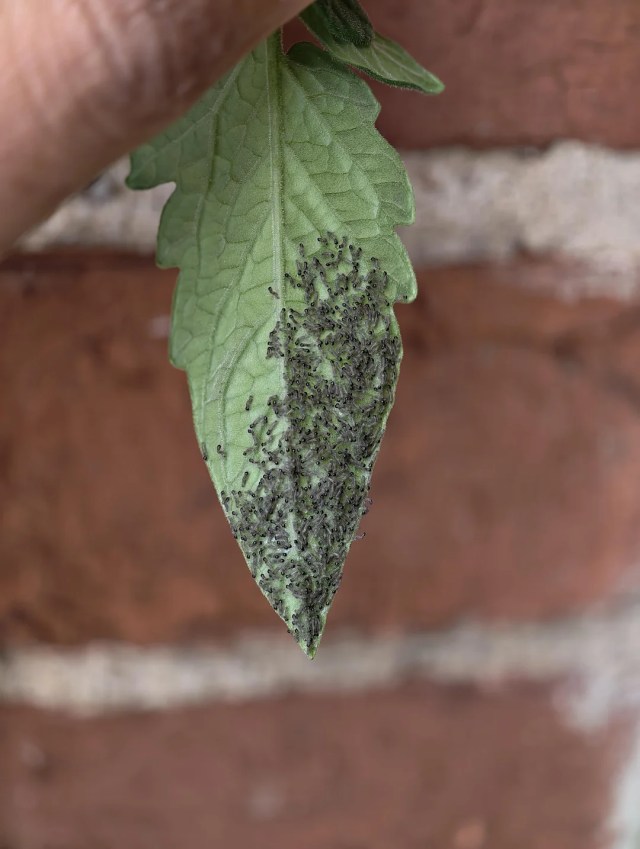
The way the insects were bunched together became a major point in the replies. Some commenters said that tight grouping suggested sawfly larvae, which commonly hatch and feed side by side.
Another said: "They look like chicken feed to me. Cut the leaf off and toss it to chickens."
TCD Picks » Quince Spotlight
💡These best-sellers from Quince deliver affordable, sustainable luxury for all




Others said tomato pests are often likely to be moth larvae, particularly hornworms, even if the clustering would be unusual.
Why does it matter?
How you should respond to larvae depends on what they are. Hornworms, for example, can destroy tomato plants in a short time, while other larvae may require a less urgent response or a different control strategy altogether.
People often start gardens to lower produce costs, eat fresher food, and spend more time outdoors. But when pests damage tomato plants, they can threaten a crop that is often cheaper and tastier than store-bought produce.
And a wrong ID can lead gardeners to use broad-spectrum chemical sprays unnecessarily. That can hurt beneficial insects and weaken the environmental and household advantages that make home gardening attractive.
Before doing anything, take a close look at the larvae. Note whether they are feeding alone or in a group, check for chewing damage and droppings, and inspect the undersides of leaves for eggs. Those clues can make it easier to tell one pest from another.
For many common tomato pests, one of the best first steps is to remove them by hand. Gardeners can also cut away heavily damaged leaves, put row covers in place early in the season, and support natural predators such as birds and beneficial insects.
If identification remains elusive, a local extension office, native plant group, or even an informed Reddit community may be able to help.

Get TCD's free newsletters for easy tips, smart advice, and a chance to earn $5,000 toward home upgrades. To see more stories like this one, change your Google preferences here.







