


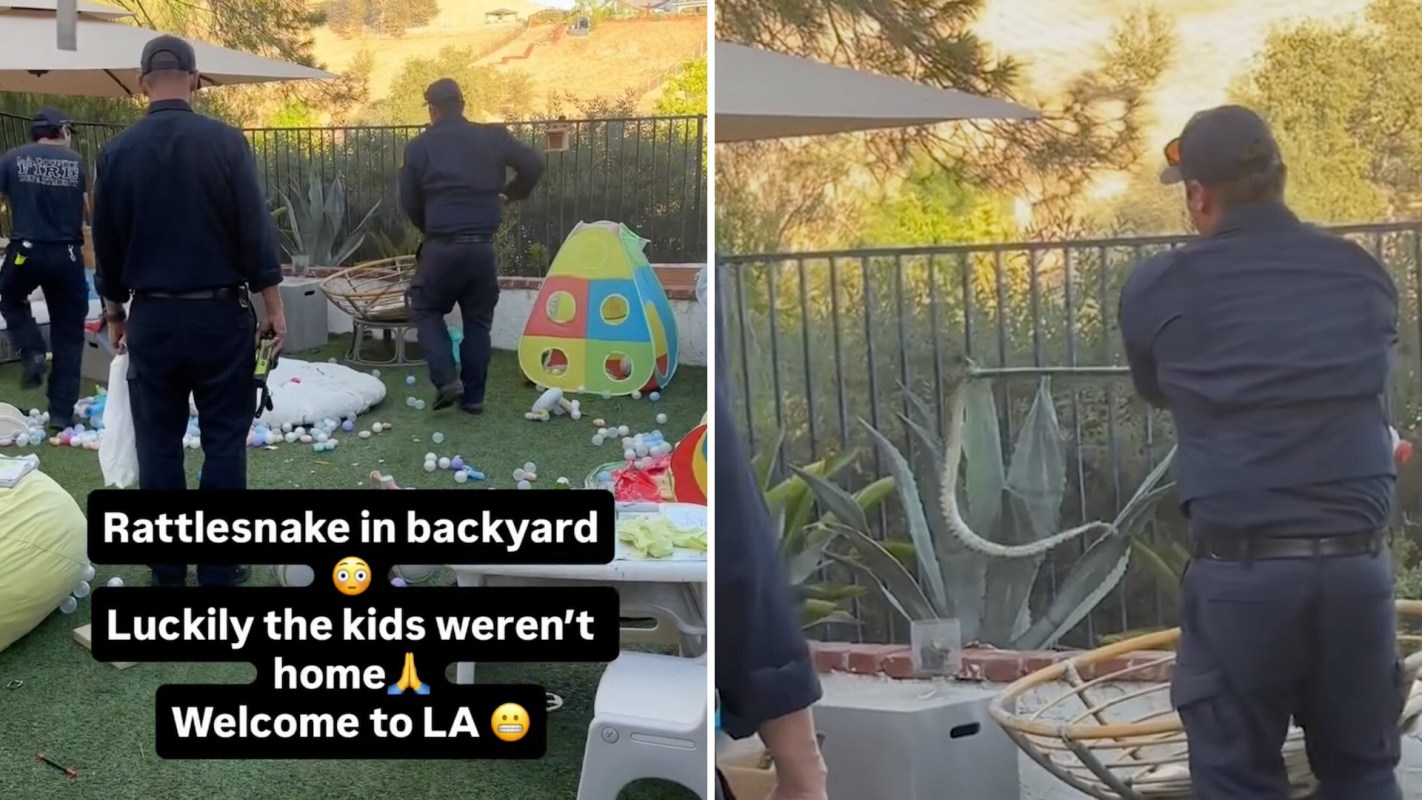
A Calabasas family received a frightening reminder that dangerous wildlife encounters are not limited to hiking trails or remote wilderness areas after a rattlesnake was found hiding in a backyard play area among children's toys.
What happened?
In his own yard, Los Angeles cinematographer Hugo Will (@hugo_willl) came across a venomous snake in the part of the backyard his children use.
Video from the scene showed Los Angeles County firefighters at the home around 6 p.m., using a grabber to remove the rattlesnake.
Will shared the footage on Instagram, and the New York Post reported that he said the experience left him shaken.
"Imagining finding a rattlesnake in your kid's backyard among all the toys that kids interact with? Still in shock. Luckily the kids weren't home. Everything could have turned a very bad way. Stay alert," he wrote in the post's caption.
The incident comes after another serious California rattlesnake emergency in May.
TCD Picks » Quince Spotlight
💡These best-sellers from Quince deliver affordable, sustainable luxury for all




While visiting family in Lake Oroville, Idaho, father of three Christopher Howarth was bitten twice after mistaking the snake for a plant in a shadowed area.
"I got bit twice, and one of the bites, where it was, was kind of shallow, but the other one got my vein," Howarth told SFGate.
Why does it matter?
Rattlesnake encounters can turn dangerous quickly, particularly for children and pets.
In Howarth's case, Oroville Hospital gave him 54 vials of antivenom, then sent him to Stanford Hospital for more after its supply ran out.
The California Department of Fish and Wildlife says the state has seven rattlesnake species.
The agency also says people should stay alert outside, steer clear of dense vegetation, and inspect rocks, stumps, and logs before sitting in brushy spots.
Suburban development, backyard landscaping, and play spaces built near native habitat can create more opportunities for snakes to end up in the same places where families live.
What can I do?
Treat yards, patios, and play areas the same way you would treat a trail in snake country: look first, then step in.
That means checking around toys, garden edges, wood piles, rocks, and shaded corners before children or pets go outside.
The California Department of Fish and Wildlife also says pets should stay leashed near bushes and brush, since animals often investigate with their noses first.
A motionless or seemingly dead snake may still deliver venom, making it risky to try to move one without professional help.

Get TCD's free newsletters for easy tips, smart advice, and a chance to earn $5,000 toward home upgrades. To see more stories like this one, change your Google preferences here.






