


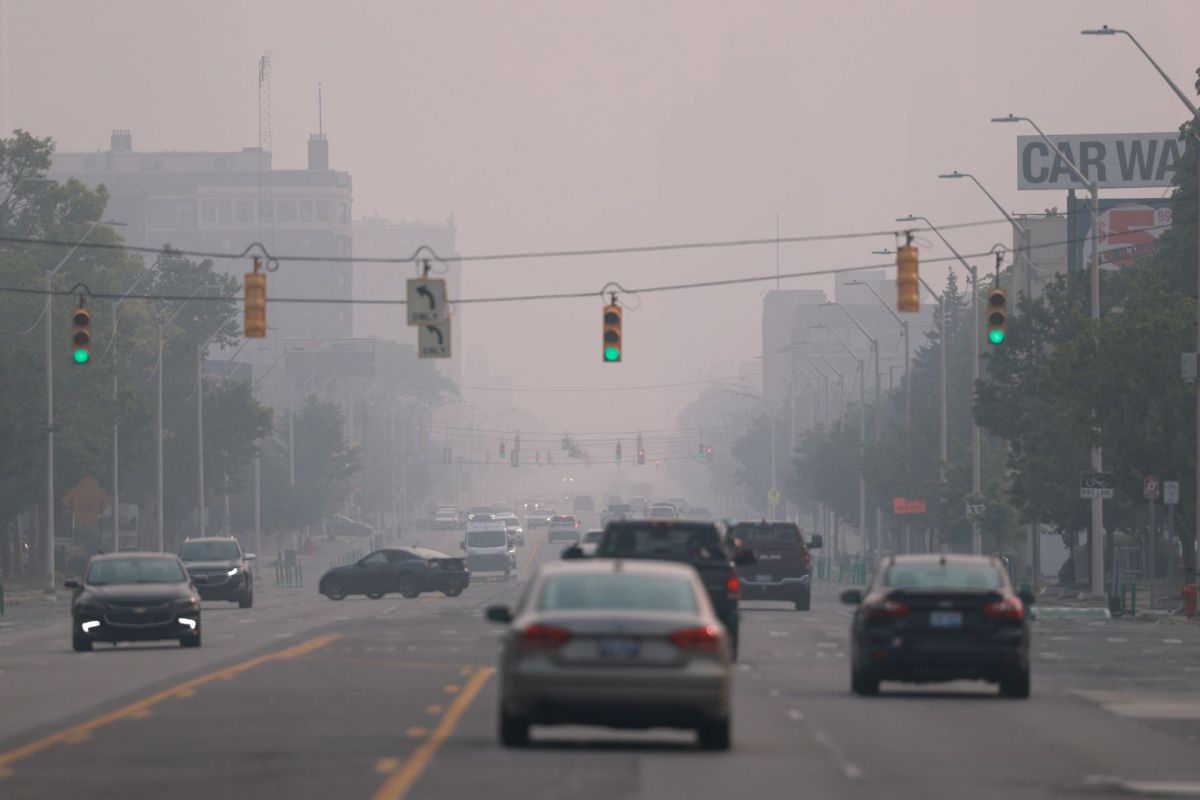
Canadian wildfire smoke did more than just dim Michigan's skies this summer.
An alarming new report says the haze also dealt a major blow to the state's economy, underscoring how air pollution tied to extreme weather can ripple through everyday life.
What happened?
As Fox 17 reported, the economic impacts of the smoke were estimated at $4 billion in lost earnings statewide.
Those figures come from Anderson Economic Group, whose report concluded that wildfire smoke from Canada caused substantial losses in the Wolverine State during 2026.
For the hospitality and tourism industries, the disruption came at a particularly costly moment, landing in the heart of the summer period when travel, outdoor meals, and seasonal activities are especially important.
Jack Trebtoske, a representative of the Michigan Restaurant and Lodging Association, told Fox 17 that the most vulnerable businesses rely on patios and other open-air spaces.
TCD Picks » Quince Spotlight
💡These best-sellers from Quince deliver affordable, sustainable luxury for all




"You think about the impact that these wildfires had on a business that's entirely based outside, that's a lot of lost revenue," Trebtoske said.
State data from 2024 showed just how much was at stake. Michigan welcomed 131.2 million visitors that year who spent $30.7 billion on lodging, dining, and attractions, per Fox 17.
Dave Lorenz, executive director of the West Michigan Tourist Association, explained to the outlet that Grand Rapids and nearby communities felt the disruption because summer visitors are such a major part of the regional economy. "[Businesses] had so many people just call them last-minute, saying, 'We're canceling. We hear about the smoke.'"
Why does it matter?
When smoke fills the air, it can make it harder for people to breathe, prompt families to cancel outdoor plans, and force workers and business owners into last-minute adjustments. For communities built around summer activity, that can translate into lost wages, lower sales, and fewer visitors.
Worsening extreme weather disasters threaten lives and livelihoods in overlapping ways. Smoke events tied to large wildfires can harm public health through poor air quality; reduce community activity by limiting time spent outdoors; and destabilize economies when trips, events, and restaurant visits fall through.
There is also concern among tourism officials that the state's reputation could suffer. If peak travel season becomes associated with smoky or polluted conditions, they fear the consequences may last longer than one summer.

Get TCD's free newsletters for easy tips, smart advice, and a chance to earn $5,000 toward home upgrades. To see more stories like this one, change your Google preferences here.






