


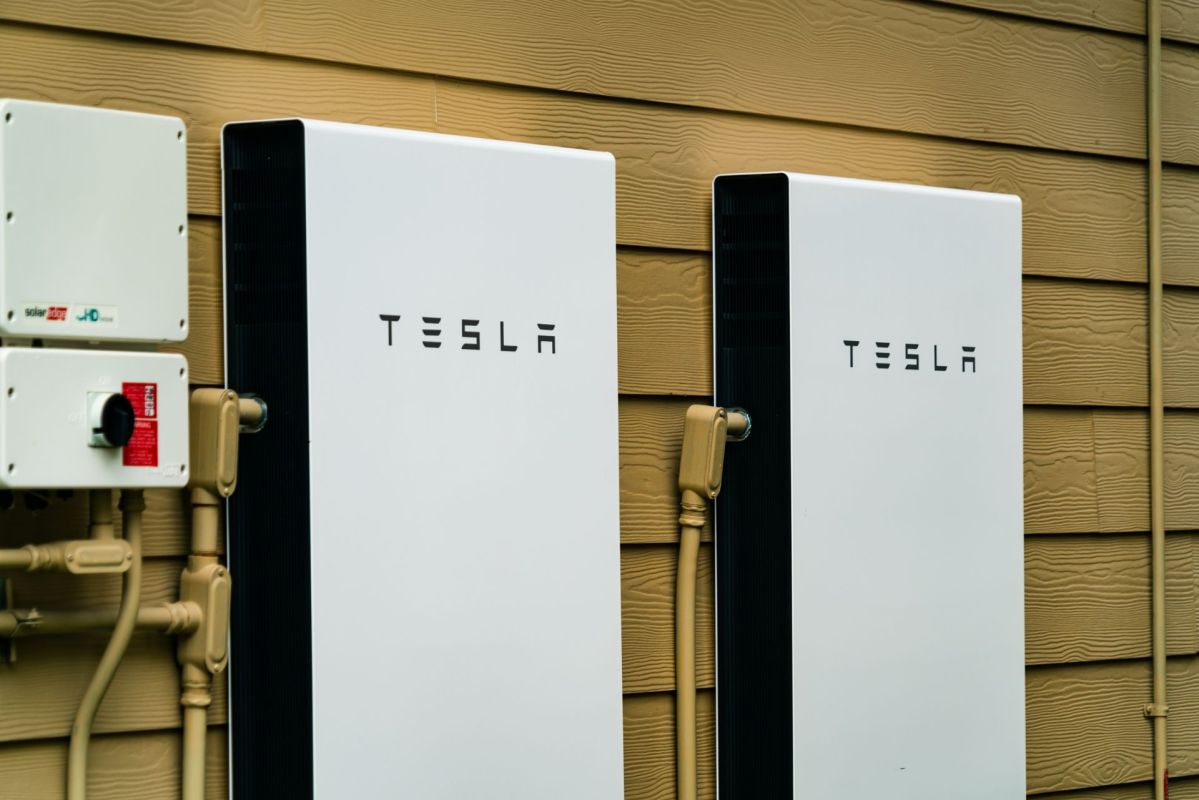
For homes with solar, battery storage, and time-varying electric rates, the financial upside often depends on strategy as much as equipment. One homeowner took to Reddit to look for a better way to decide when to charge, when to sell electricity back, and how much backup power to keep in reserve.
What's happening?
In the r/Powerwall subreddit, a homeowner said their home solar system includes 2 Tesla Powerwall Threes, 19 solar panels, and an electric vehicle. They said they want to use the NetZero app and Home Assistant to automate charging and exporting in a way that improves the economics of the setup.
People in the comments offered some advice on how their system works. One user explained they use the Tesla app to fully automate their service for maximum payback, while another suggested a different software called Predbat that automatically controls home energy systems.
Why does it matter?
Dynamic pricing can reward people for shifting when they use, store, and sell electricity. If a battery charges during low-price periods and discharges or exports during expensive ones, the owner can avoid paying peak rates and potentially earn more for extra power sent back to the grid.
For a home with solar, an EV, and two Powerwalls, that can add up to meaningful savings over time — especially when evening electricity is expensive and daytime solar production is high.
Adding battery storage is one of the best ways to protect your home during outages, save money on energy, and go off-grid. It can also keep critical devices running during blackouts while giving homeowners more control over when they buy power.
If you're considering a similar setup, it may be worth exploring EnergySage's free battery storage tools to compare options and get competitive installation estimates. EnergySage has teamed up with the electrification brand Qmerit to guarantee you get the best price on home battery storage solutions.
What can I do?
People trying to optimize around variable rates seem to take one of two approaches: manually fine-tune Tesla's own app and backup settings, or use home assistant tools that allow more detailed scheduling around dynamic pricing lows and highs.
Save $10,000 on solar panels without even sharing your phone number Want to go solar but not sure who to trust? EnergySage has your back with free and transparent quotes from fully vetted providers in your area. To get started, just answer a few questions about your home — no phone number required. Within a day or two, EnergySage will email you the best options for your needs, and their expert advisers can help you compare quotes and pick a winner. Solar panels can save you more than $50k over their 25-year lifespan, and EnergySage can help you save as much as $10k on installation. Which begs the question — isn't that worth an email or two? |

While each homeowner appears to have a different approach, as software tools continue to mature, owners may not have to choose between convenience and optimization.
If you're interested in a battery backup system but aren't ready for a whole-home option like the Tesla Powerwall, another option is Pila, whose plug-and-play batteries are priced at a fraction of what a whole-home backup system would cost and offer enough energy for a few vital appliances.

Get TCD's free newsletters for easy tips, smart advice, and a chance to earn $5,000 toward home upgrades. To see more stories like this one, change your Google preferences here.






