


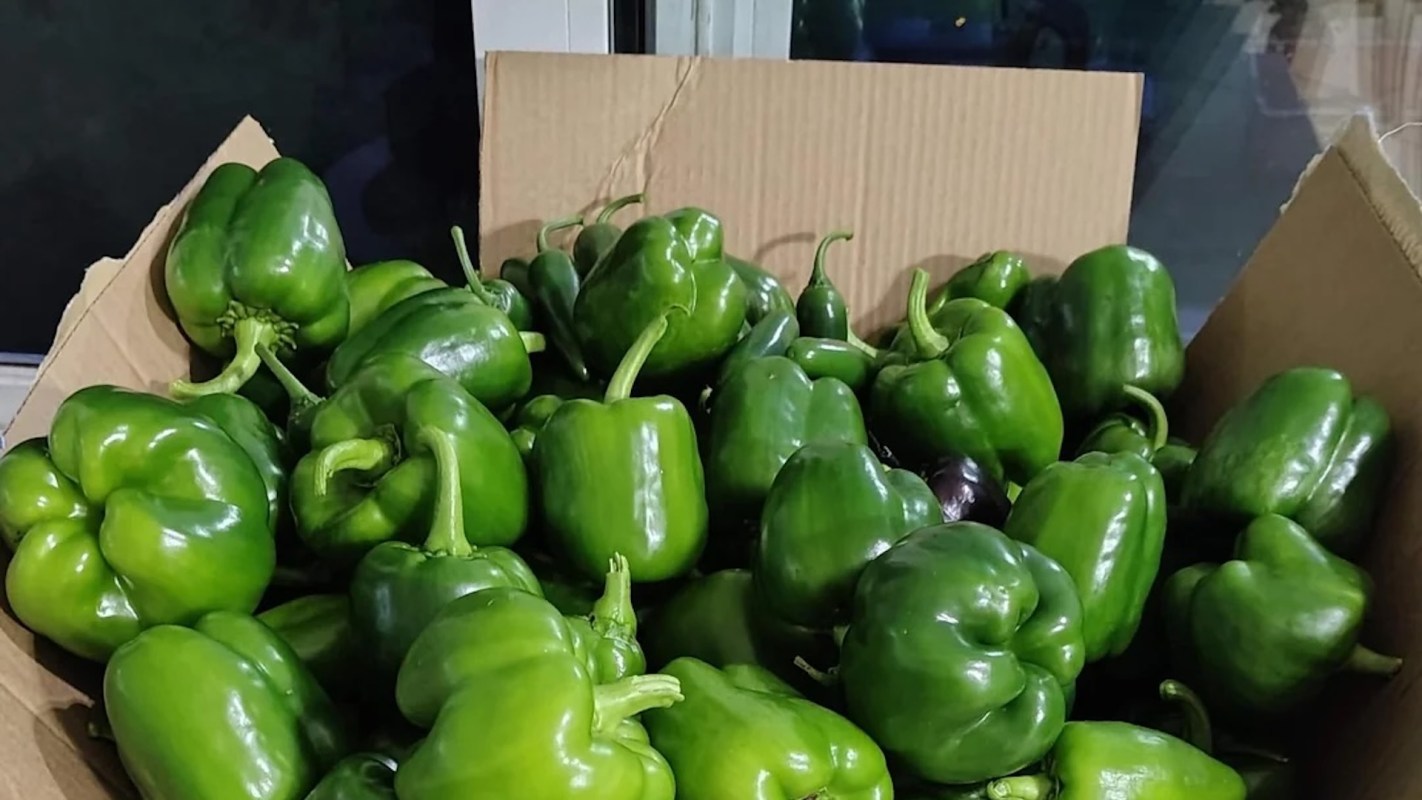
A gardener in Northern Virginia is drawing envy from fellow growers after sharing a striking single-day harvest of green bell peppers to the r/gardening subreddit,
For anyone who has stared at a slow-growing pepper plant all summer, the haul looked almost unreal.
What happened?
In a post, the gardener called out their own "great pepper production" and shared a photo to back it up.
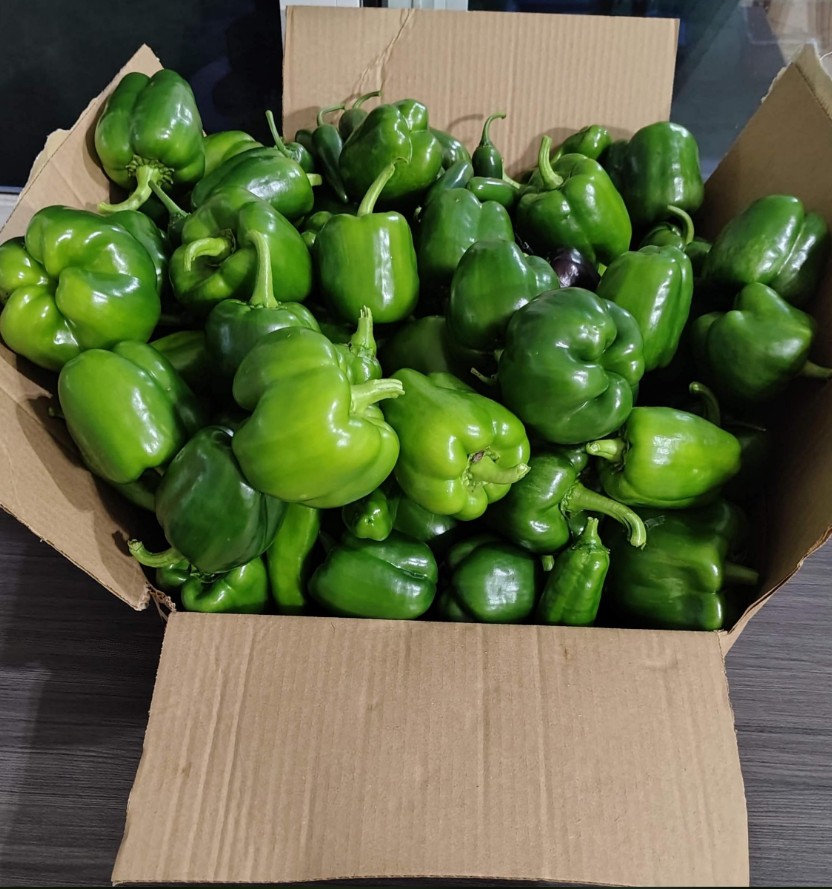
"Having a great year so far with my peppers," they wrote. "This was todays pick of green bells."
The picture showed a box overflowing with peppers. That prompted a wave of questions from other gardeners who wanted to know what was behind the unusually big yield.
One commenter summed up the mood: "Holy cow. How many pepper plants do you have? I mean I think that's more bells than I've harvested in my entire life time."
TCD Picks » Quince Spotlight
💡These best-sellers from Quince deliver affordable, sustainable luxury for all




According to the gardener, there are about 40 pepper plants in all, including roughly 25 bell pepper plants, plus banana peppers, sweet bells, and jalapeños.
The year before that same garden spot had been far less productive, turning out only about a third as much.
When the conversation turned to fertilizer and feeding, the gardener credited the basics more than any intensive routine. They said they had clay soil, cardboard covered with mulch for weed control and moisture retention, and an application of 12-12-12 across a much larger garden.
Why does it matter?
Strong harvests mean fewer trips to the grocery store and real savings on produce that often carries a premium price, especially when prices rise during extreme weather or supply issues.
There is also a quality factor that longtime gardeners swear by in that homegrown produce often tastes better. Peppers picked at peak ripeness can be sweeter, crisper, and more flavorful than ones shipped long distances and stored before sale.
Gardening can also support mental and physical health. Time outside, regular movement, and the satisfaction of tending plants all add up, even on a small scale.
For many people, growing food becomes part budget strategy, part stress relief, and part way to feel more connected to what ends up on the dinner table.
Impressive results do not always require a highly technical approach. Sometimes matching your methods to your conditions can make a major difference.
What can I do?
Not everyone needs 40 plants. Even a few pepper plants can produce enough to supplement meals, reduce food waste, and build confidence for bigger garden plans later.
A few practical lessons from the grower's setup are simple. Use mulch to help the soil stay damp, lay down cardboard to cut back weeds, and, if your soil holds water well, favor deep watering over constant light watering.
Those low-cost methods can be especially useful for people trying to garden without relying heavily on chemicals or expensive equipment.
Pay attention to your specific growing conditions. Clay soil gets a bad reputation, but it can hold water and nutrients effectively when managed well. Starting small, observing what works in your yard or containers, and adjusting over time can go a long way.
If you do grow bell peppers, it's OK to wait, too.
"Waiting for them to turn red is so worth the patience, the flavor gets so much sweeter," they shared.

Get TCD's free newsletters for easy tips, smart advice, and a chance to earn $5,000 toward home upgrades. To see more stories like this one, change your Google preferences here.






