


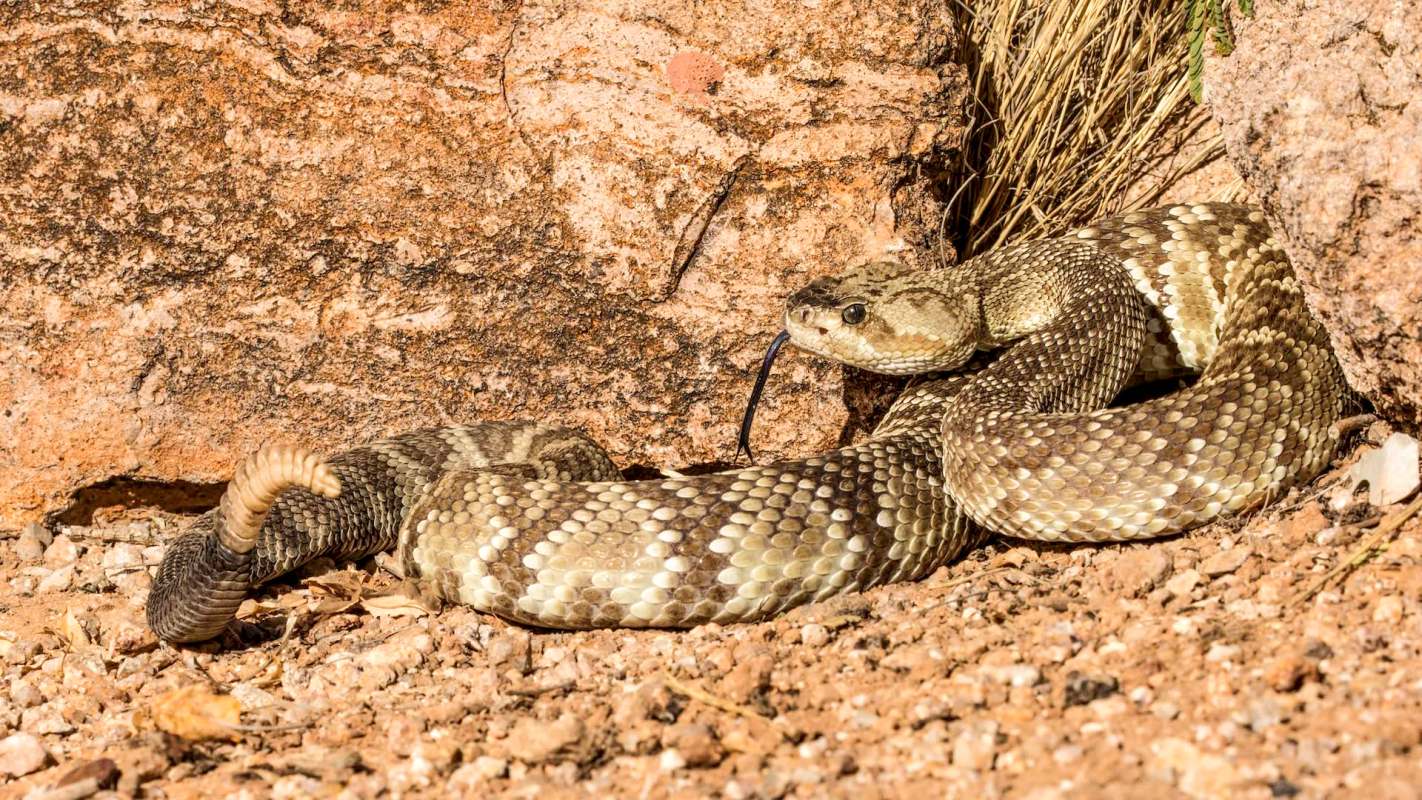
In Arizona, dog trainers are teaching pets how to avoid venomous snakes that could pose a serious threat during hikes, walks, or time in the yard.
Using controlled exposure to snakes alongside an electronic training collar, the goal is to train dogs to recognize the danger and instinctively keep their distance during real-life encounters.
What's happening?
According to the Associated Press, as republished by the Hartford Courant, some Tucson pet owners are turning to rattlesnake-aversion classes for their dogs. The outlet explained that in Arizona, trainer J.J. Belcher of Sublime Canine helps pets identify and avoid venomous snakes.
Ripley, a 2-year-old blue heeler mix, was one of them. In a training session, the AP reported that when Ripley moved toward Brian, a large western diamondback rattlesnake, she got a brief electronic-collar correction meant to mimic the danger of a strike.
Because Brian's venom glands had been removed, the dog was not in danger during the exercise. However, the electric correction should be sufficient to teach Ripley and other dogs to avoid venomous snakes, the AP reported.
Her owners, Amber Schneider and Wendy Timm, signed her up because she has a habit of chasing small animals around their desert property.
TCD Picks » Quince Spotlight
💡These best-sellers from Quince deliver affordable, sustainable luxury for all




"We have an acre of natural desert and respect all the snakes, but she's very curious about wildlife," Timm said to the AP. "We are doing this because we want to keep our dog safe."
The worry is common. As the outlet reported, the American Society for the Prevention of Cruelty to Animals, or ASPCA, estimated that venomous snakes bite up to 150,000 dogs across the United States each year.
At the Veterinary Specialty Center of Tucson, emergency veterinarian Dr. Sarah Carotenuto told the AP that staff members treat roughly four to six dogs a day for rattlesnake bites in Arizona alone, plus the occasional cat.
Why does it matter?
The financial and medical stakes can climb fast after a rattlesnake bite. The AP reported that treatment can cost thousands of dollars, depending on how much antivenom a pet needs and whether hospitalization is required.
Carotenuto said pets do well with fast treatment, with survival around 94%, but owners can still face frightening complications, major expenses, and risks that worsen quickly.
The problem also points to a larger clash between people and wildlife. More homes and recreation are moving into desert and foothill areas, and yards with brush, debris and rodents can unintentionally make those spaces more attractive to snakes.
What can I do?
Owners should know which snake species live nearby and behave accordingly in yards, on trails, and in open spaces.
Simple yard maintenance can help prevent encounters with snakes at home: cutting tall grass and removing brush or debris reduces cover and can also discourage the rodents that draw snakes in. When out walking, sticking to marked trails and keeping dogs on a leash can reduce the risk of an unexpected run-in.
Aversion training is another option some owners look into, though approaches differ. Belcher and other trainers said electronic collars work when used correctly, but the ASPCA noted that that type of training should be done only by someone with experience in avoidance learning.
The ASPCA also said strong recall and "leave it" commands "can go a long way toward keeping a dog safe."
If a bite does happen, veterinarians encourage emergency care to be sought immediately. However, as Carotenuto told the AP, there is no need to bring the snake that bit your pet into the clinic.

Get TCD's free newsletters for easy tips, smart advice, and a chance to earn $5,000 toward home upgrades. To see more stories like this one, change your Google preferences here.







