


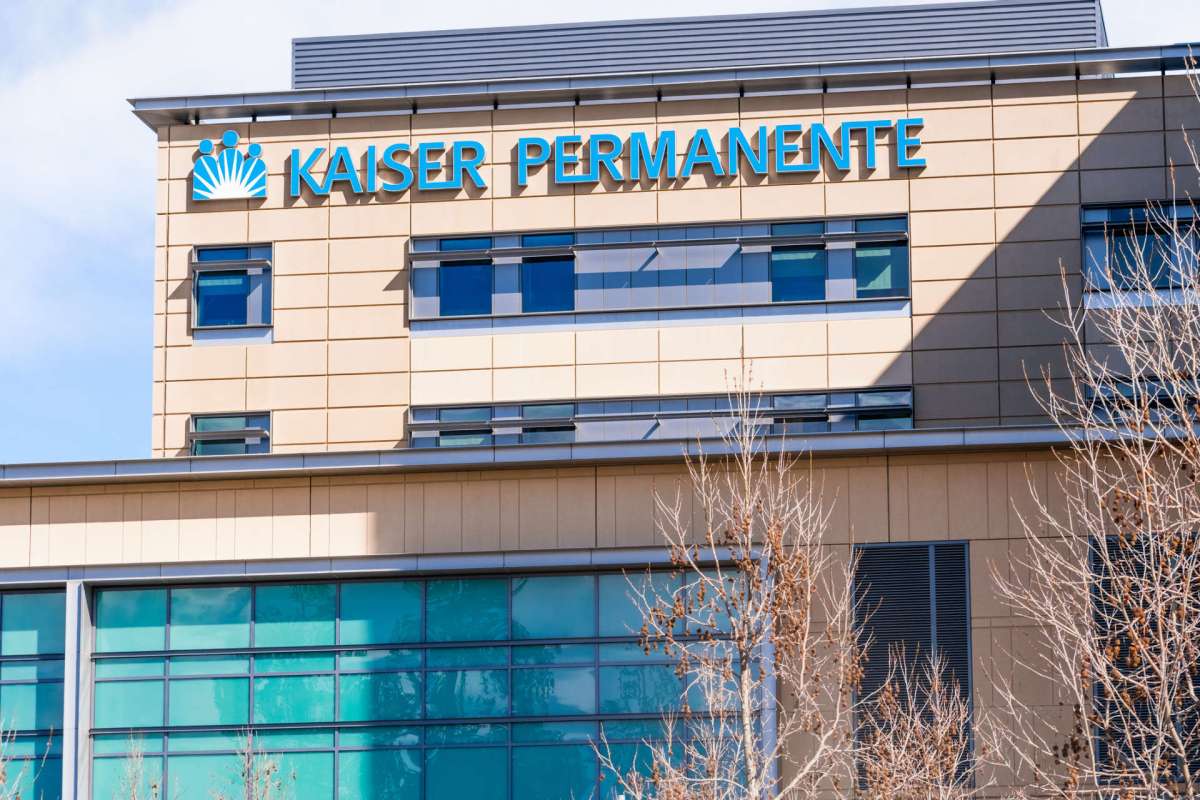
Kaiser Permanente has committed $540,000 in grants to hunger relief groups serving Fresno and Madera counties, a move aimed at helping families in California's Central Valley struggling to keep up with grocery costs.
What's happening?
According to The Business Journal, the health care organization has directed the funding to 13 organizations in Fresno and Madera counties this year to broaden pantry events, urgent food aid, and healthy-meal deliveries for vulnerable residents.
The funding is meant to make healthy food more accessible for people most at risk of going without it, including older adults. The Central California Food Bank received $175,000 of it.
In Fresno and Madera counties, that award will support food distribution through Kaiser Permanente's Neighborhood Market, Mobile Pantry, and Groceries2Go programs.
The regional grant is part of a wider effort that has provided roughly $4.3 million to more than 100 groups addressing food insecurity in the communities it serves.
The grants arrive as hunger continues to affect households across California: research from the California Association of Food Banks found that 24% of adults statewide faced food insecurity in 2025, and the figure rose to 33% among adults living with children.
TCD Picks » Quince Spotlight
💡These best-sellers from Quince deliver affordable, sustainable luxury for all




Why does it matter?
Funding like this can provide immediate relief in one of the most expensive parts of a household budget: groceries.
Because grocery prices were identified by the association as the top affordability concern for U.S. adults, added support for food banks and meal programs can make a meaningful difference. It may help families stretch paychecks further, reduce the chances that older adults skip meals, and provide assistance before a short-term emergency becomes a deeper crisis.
The group also says about 16 million Californians, roughly 40% of the state's population, may be unable to cover basic necessities because their incomes fall short and could turn to local food banks.
Better access to fresh produce and nutritious foods can help people manage chronic conditions and may reduce some of the harm linked to inconsistent meals and lower-cost, less nutritious food options.
What's being done?
The investment is being directed through local groups that already know how to reach residents quickly, whether through mobile pantry stops, neighborhood markets, grocery pickup programs, or direct meal deliveries.
The model lets communities provide food in formats that are easier to access and better aligned with cultural preferences and household needs.
For the Central California Food Bank, its portion of the funding will go toward healthy-food distribution through the same programs serving Fresno and Madera counties.
Check out the TCD Guide's page on supporting eco-friendly initiatives by mainstream brands with more ideas on how everyday choices can reinforce better corporate behavior.
"For many years, Kaiser Permanente has been a valued partner in ensuring that our neighbors have access to the food they need to thrive," said Kym Dildine, co-CEO of the Central California Food Bank. "This will help the Central California Food Bank provide fresh produce and culturally responsive food options to individuals and families experiencing hunger right here in our community."

Get TCD's free newsletters for easy tips, smart advice, and a chance to earn $5,000 toward home upgrades. To see more stories like this one, change your Google preferences here.







