


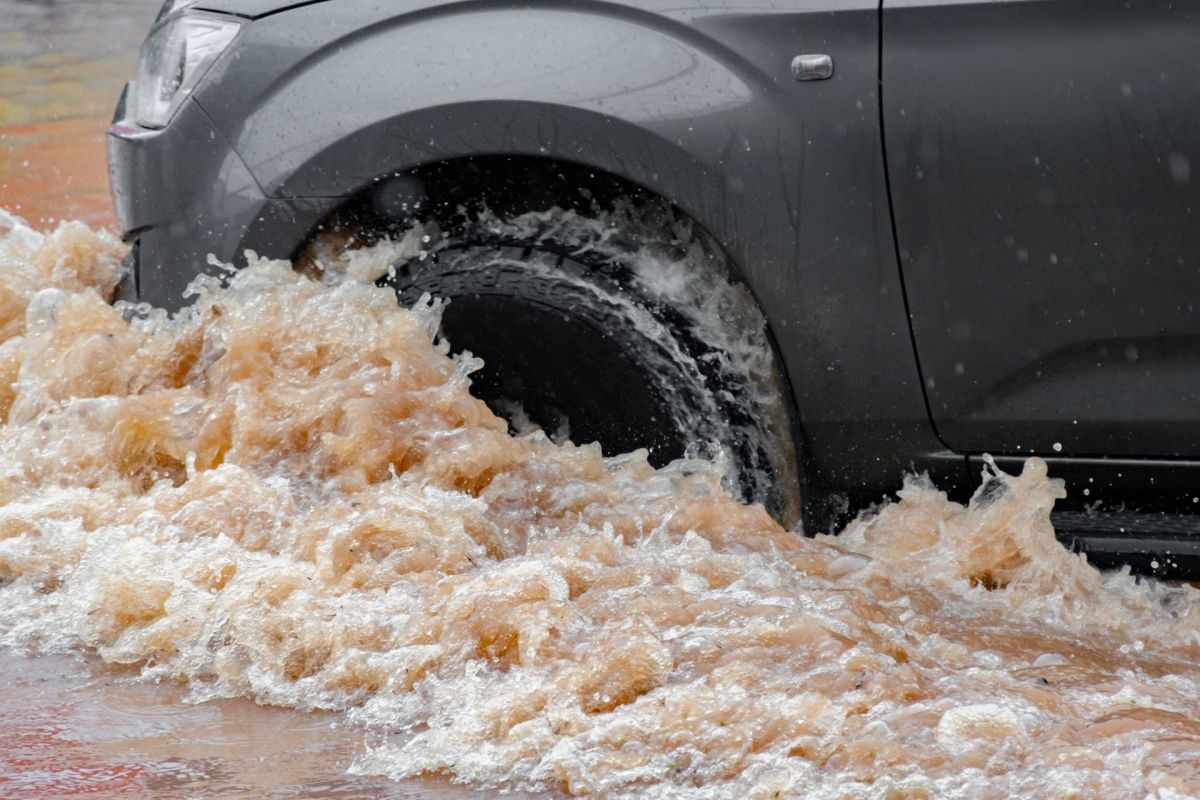
After an extraordinary two-day downpour in New York, floodwaters ripped through communities and tore through a centuries-old mill, showing how fast extreme weather can turn dangerous.
Footage from The Weather Network recounts people being rescued, roads disappearing under water, and a historic structure breaking apart in the currents.
What happened?
According to The Weather Network, some parts of New York were hit with more than 11.8 inches of rain across two days, triggering severe flash flooding.
The network shared footage that includes scenes of submerged roads, and a historic 17th-century mill collapsing in the flood.
In its description, The Weather Network called it "unprecedented rainfall" for the region.
Why does it matter?
Flash floods are among the most dangerous forms of extreme weather because they can intensify within minutes, trapping drivers, cutting off neighborhoods, and forcing urgent rescues.
TCD Picks » Quince Spotlight
💡These best-sellers from Quince deliver affordable, sustainable luxury for all




These disasters threaten both human life and property.
Worsening extreme weather disasters also endanger livelihoods. When roads are inundated and businesses are damaged, workers can lose income, families can face expensive repairs, and communities can be left dealing with disrupted transportation, contaminated spaces, and long recovery timelines.
Flooding can also create public health risks through mold, debris, and unsafe water.
There is also a broader economic and cultural cost when historic landmarks are destroyed. A centuries-old mill can hold tourism value, local pride, and a tangible link to regional history.
Its loss removes a tangible connection to that history. Heavier rain events can overwhelm drainage systems, waterways, and aging infrastructure. When that happens, even places with long histories can become newly vulnerable.
What's being done?
Emergency responders were already active in the areas shown in the video, carrying out rescues as fast-moving floodwaters swept through.
In storms like this, the most immediate protective steps are often the simplest: avoid flooded roads, listen to evacuation orders, and stay off routes that may be washed out.
Communities often need stronger flood preparedness, including better warning systems, more resilient infrastructure, and smarter land-use planning in flood-prone areas.
Household preparation can also make a difference. Signing up for local weather alerts, keeping emergency supplies ready, understanding flood risk, and reviewing insurance coverage can help families respond more quickly when severe weather strikes.

Get TCD's free newsletters for easy tips, smart advice, and a chance to earn $5,000 toward home upgrades. To see more stories like this one, change your Google preferences here.






