


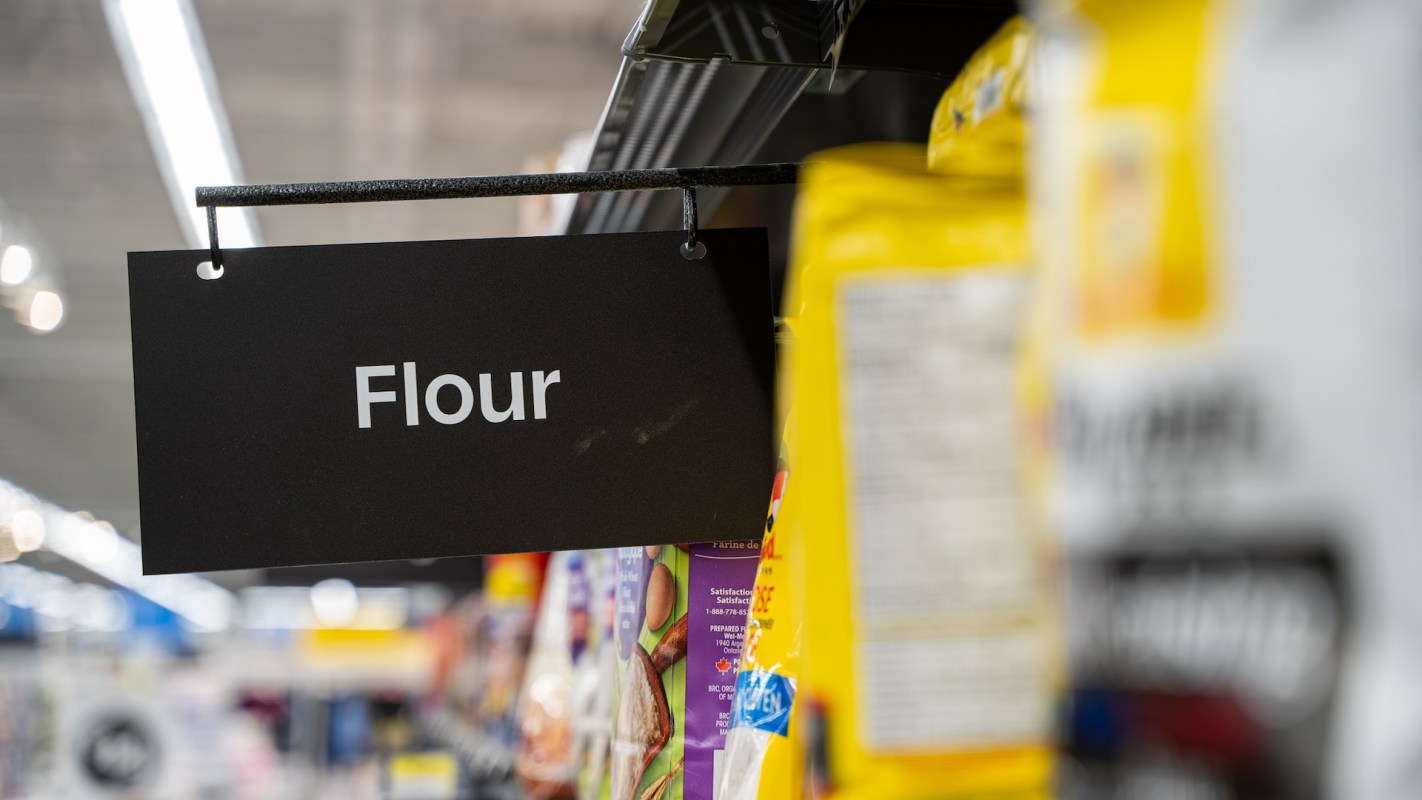
Recent wheat production has put the pantry staples under a brighter light. For home bakers especially, the updated supply picture has renewed concern that flour and other wheat-based basics may get more expensive as retailers adjust to changing market expectations.
What's happening?
According to the USDA's July 2026 Wheat Outlook, the agency updated its official forecasts for U.S. and global wheat supply and use for the 2025/26 and 2026/27 marketing years, and those revisions were reflected in the July 10 World Agricultural Supply and Demand Estimates report, as noted in a Reddit post.
According to the USDA report, Hard Red Winter wheat — typically the largest class of U.S. production — is forecast to have its smallest crop since 1957-58. The report also showed that all classes of wheat are showing declines, with overall U.S. wheat production forecast down 23% for consecutive years.
Why does it matter?
Wheat is one of the world's most essential food crops, and even relatively small changes in expected supply, demand, exports, or ending stocks can send ripples through commodity markets before they eventually reach grocery store shelves.
For many households, flour is far from a niche purchase. It is the foundation for bread, tortillas, pizza dough, biscuits, pancakes, muffins, and a range of other affordable meals made at home. When the price of a staple ingredient rises, families have to stretch their grocery budget, taking money meant for other things or savings.
Cooking from scratch is often less expensive, reduces packaging waste, and gives people more control over what they eat. But those benefits become harder to access when basic ingredients grow less affordable. The effects can also extend beyond home kitchens, affecting restaurants, local bakeries, school meal programs, and food pantries that depend on stable ingredient costs.
TCD Picks » Quince Spotlight
💡These best-sellers from Quince deliver affordable, sustainable luxury for all




A higher flour bill may seem minor on its own, but that kind of pressure can slow progress toward a more affordable and resilient food system, adding up quickly for households already facing elevated costs for eggs, dairy, and other grocery essentials. For communities already under strain, even modest price increases in foundational foods can have an outsized impact.
What can I do?
Consumers may not be able to control global wheat markets, but they can take steps to reduce the effect on their own budgets. For households that use these staples often, careful price comparisons, sensible storage, and a modest stock-up can soften the impact of price swings without leading to unnecessary waste.
Properly storing flour with a tight seal in a cool, dry storage spot can help extend freshness, and refrigeration or freezing may be especially useful in warm or humid homes. Whole-wheat flour generally does not keep as long as white flour.
It's also helpful to consider when meal planning. Oats, cornmeal, or other grains can sometimes be used to stretch flour supplies, and friends or neighbors who bake may be willing to split bulk purchases to reduce the per-pound cost. Those who bake regularly may benefit from comparing unit prices on larger bags of flour, checking warehouse or co-op options, and buying only what they can realistically use.

Get TCD's free newsletters for easy tips, smart advice, and a chance to earn $5,000 toward home upgrades. To see more stories like this one, change your Google preferences here.







