


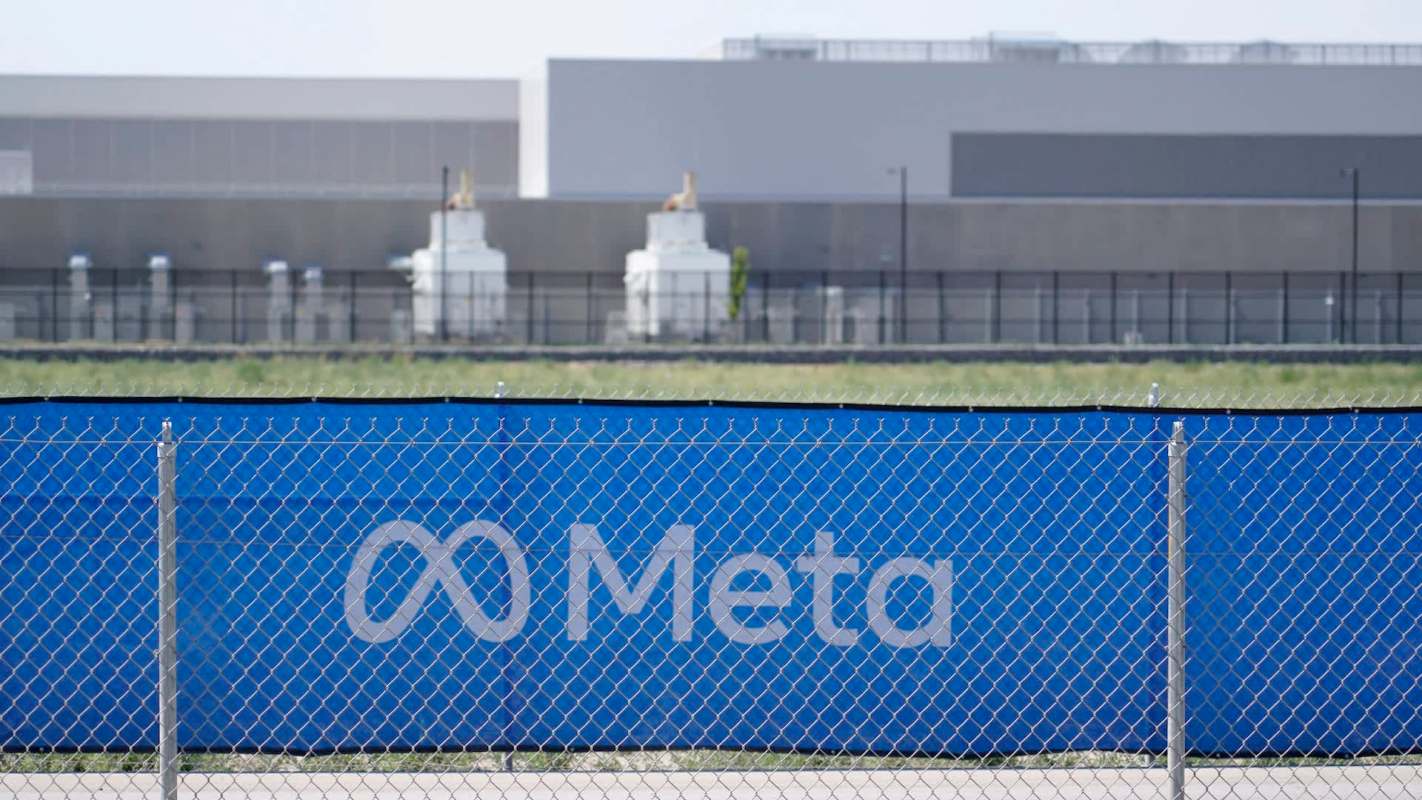
A packed town hall in El Paso underscored just how intense public frustration has become over Meta's planned data center in West Texas.
People came seeking answers on four issues in particular: how much water the project would use, how much electricity it would require, whether it could create pollution, and whether regular households might end up covering the costs.
What happened?
KFOX14 reported that the meeting drew more people than the space could hold, leaving some to listen from the doorway and outside.
City Representative Cynthia Boyar Trejo hosted the event, and residents used the opportunity to question representatives from El Paso Water, El Paso Electric, and the city attorney's office about the development's impact.
The discussion repeatedly returned to the scale of the proposed facility, including an expected demand of as much as 2.5 million gallons of water a day and about one gigawatt of electricity.
Residents also raised the possibility that pollution from the project could affect public health.
TCD Picks » Quince Spotlight
💡These best-sellers from Quince deliver affordable, sustainable luxury for all




When concerns turned to whether the project could increase residential utility costs, Daniel Perez, who oversees regulatory and government affairs at El Paso Electric, rejected that idea.
"Absolutely not," Perez said, arguing that the utility's regulatory structure prevents residential customers from absorbing those costs.
Some attendees said the explanations offered were not enough and that they still wanted clearer explanations and more evidence.
John Balliew, El Paso Water's president and CEO, said the utility had already anticipated delivering that volume of water in the area.
The concerns
The issue is not only how much water the facility could use, but also what happens to that water afterward.
Balliew said water circulating through the site would be "simply the water," but that evaporation could leave behind higher concentrations of salt and minerals.
He also acknowledged that the Fred Hervey Water Reclamation Plant is "not equipped to remove high levels of salt," raising questions about wastewater handling.
What's being done?
Officials said several safeguards are already in place. El Paso Water said Meta will be capped at 2.5 million gallons per day and that "the water meter provides a physical constraint that will not allow more than the 2.5 MGD to pass through the line."
Perez said Meta will be responsible for the facilities needed to serve the data center, and he pointed to a high-load tariff proposal before the Public Utility Commission of Texas.
He said the proposal is intended to ensure that large users remain financially responsible for facilities built for them, even if they later close or leave.
According to Balliew, the facility would hit its peak water use only in extreme heat and only for short stretches.
El Paso Water is also working out discharge requirements for wastewater from the site because evaporation is expected to leave higher salt concentrations behind.
"When you get to a really high triple-digit, that's when the 2.5 kicks in," Balliew said. "And that's only a few days out of the year and a few hours on those days that it reaches that amount."

Get TCD's free newsletters for easy tips, smart advice, and a chance to earn $5,000 toward home upgrades. To see more stories like this one, change your Google preferences here.






