


Water managers across the Colorado River Basin are facing mounting pressure to find new water supplies as drought and rising temperatures strain rivers, reservoirs, and farms.
That urgency is helping drive interest in a Utah cloud-seeding project from Rain Enhancement Technologies that claims it created 2.8 billion gallons of extra water, even as scientists say the technology has not yet clearly proved it can deliver.
What's happening?
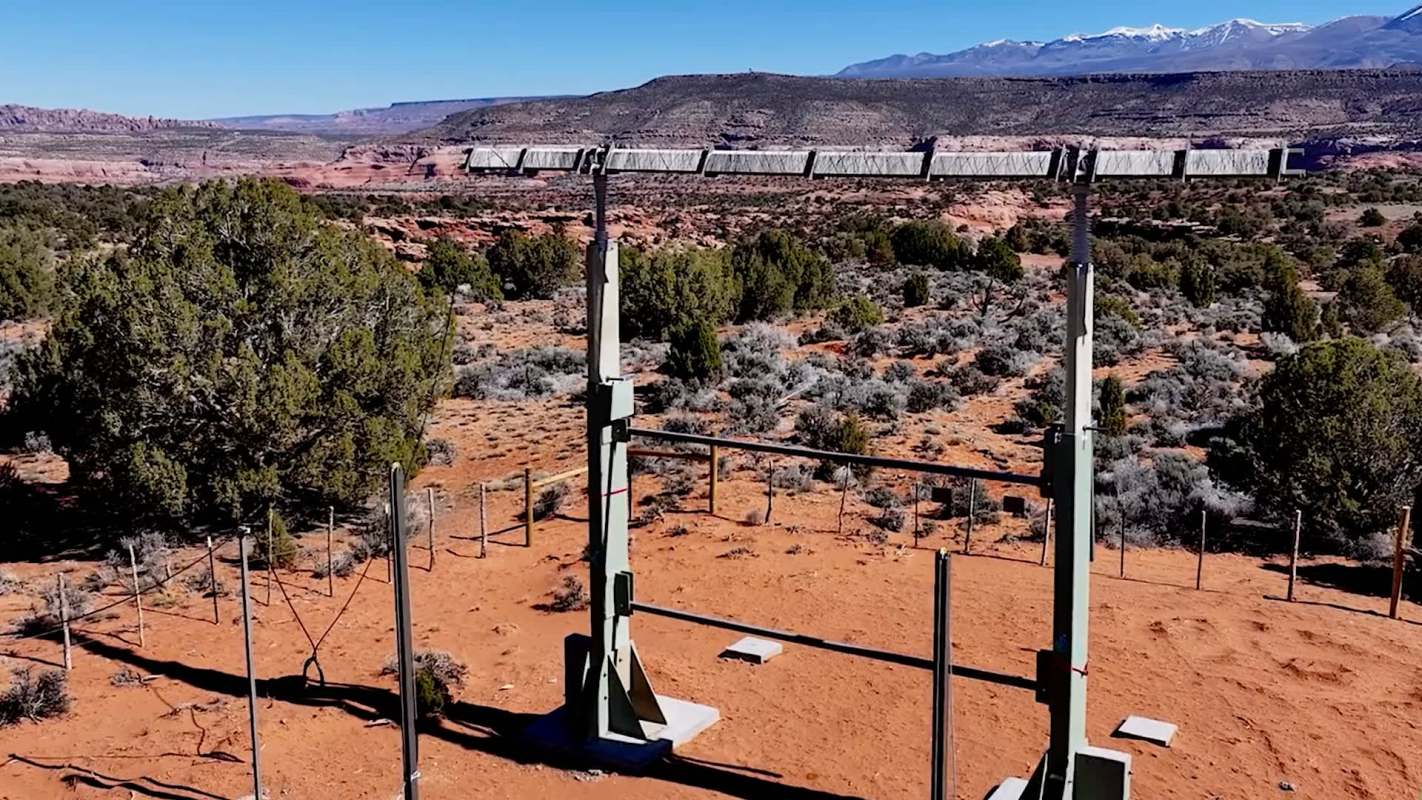
The Grand County Water Conservancy District and Florida-based Rain Enhancement Technologies launched a ground-based, cloud-seeding station near the La Sal Mountains in southeastern Utah.
According to The Colorado Sun, the company said the site has now created 8,750 acre-feet of extra snow, enough water for as many as 35,000 households over a year.
Unlike more established cloud-seeding systems that rely on silver iodide, this station sends charged ions into the air in an effort to increase rain and snow. Rain Enhancement Technologies CEO Randy Seidl told the Sun, "We'd love to see thousands of these all over helping to solve the water crisis."
Still, some people are approaching the claims cautiously. Kevin Clyde, a board member of the Grand County Water Conservancy District, told the Sun public skepticism makes sense, saying, "People have heard about cloud seeding … for a long time and not very many people believe in it. It's kind of like witch doctoring."
TCD Picks » Quince Spotlight
💡These best-sellers from Quince deliver affordable, sustainable luxury for all




According to the Sun, Rain Enhancement Technologies said its headline figure is only 80% to 85% certain, as it was based on readings from just two weather gauges.
Katja Friedrich, department chair and professor of Atmospheric and Oceanic Sciences at the University of Colorado, told the Sun, "We don't have the answers. And I feel like this is so far ahead because we're so desperate for water that we'll do anything."
Why does it matter?
Communities in Utah and Colorado are making major decisions in a region already struggling with water shortages. Grand County officials said one reservoir has fallen to about one-third of capacity, leaving farmers with roughly half their usual water supply in dry years.
If the technology works, even relatively small gains could help protect drinking water, agriculture, and local economies. If it does not work, however, communities with limited budgets could end up spending public money on a high-profile solution before the science is ready.
This means that taxpayers could help fund infrastructure that has not been fully validated, while growers and residents may be forced to plan around water supplies that never arrive.

Get TCD's free newsletters for easy tips, smart advice, and a chance to earn $5,000 toward home upgrades. To see more stories like this one, change your Google preferences here.






