


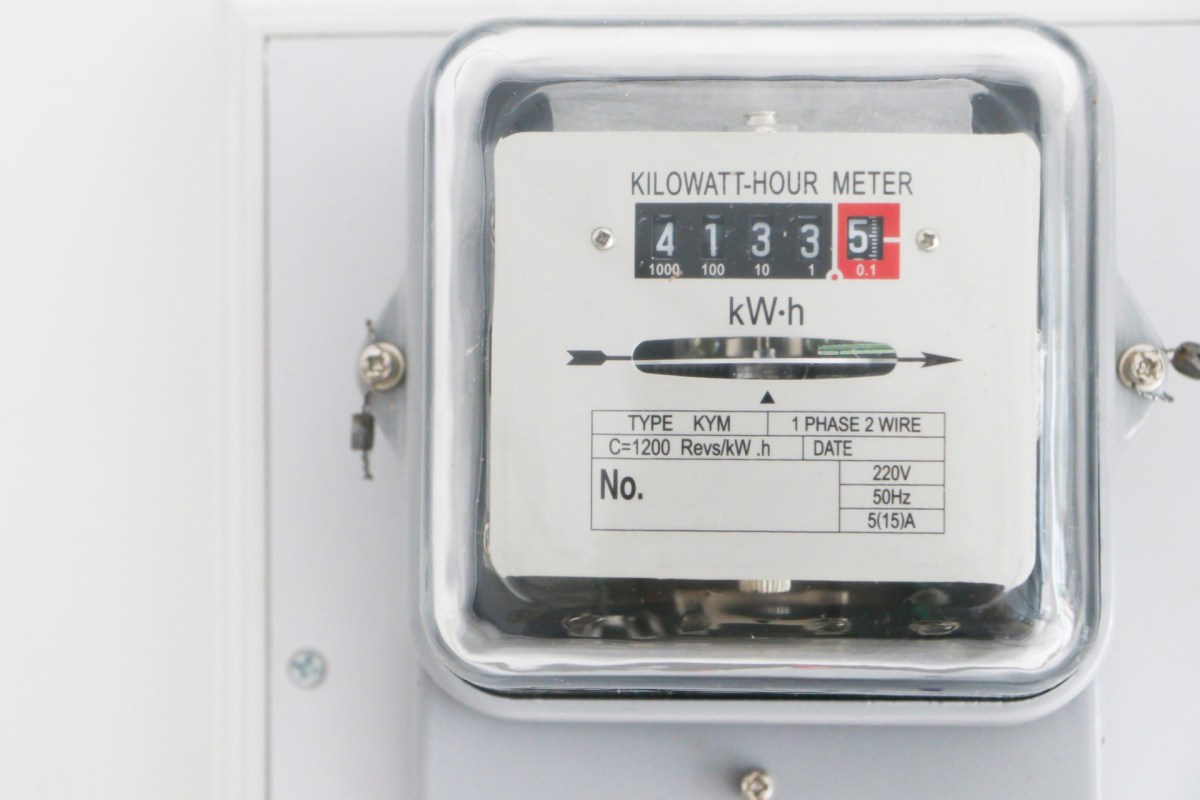
In Pennsylvania, Lehigh Valley residents should not expect electricity bills to ease, as results from PJM Interconnection's July 2026 capacity auction point to higher power costs remaining on monthly statements at least through 2030.
A big part of the pressure is rising power use, including demand tied to data center growth, at a time when the grid is not bringing new electricity supply online fast enough.
What's happening?
As reported by The Morning Call, PJM Interconnection's July 2026 capacity auction once again cleared at the operator's temporary ceiling. PJM manages the power system for 67 million people in 13 states, and these auctions are meant to secure enough electricity for periods of especially heavy use.
The July 2026 auction will influence prices from summer 2028 through summer 2029.
Clara Summers of the nonprofit Citizens Utility Board, who directs the Consumers for a Better Grid campaign, said she expects prices are "going to continue to be high until at least 2030."
The sharp turn came in PJM's summer 2024 auction, when the price surged from $28.92 per megawatt-day to $269.92.
A temporary cap put in place after Gov. Josh Shapiro's lawsuit has prevented even larger increases, but three auctions held under the cap still cleared at $329.17, $333.44, and $325 per megawatt-day.
For households looking to lower their monthly energy costs, going solar is one of the best ways to save money on home energy. Readers can explore EnergySage's free tools to get quick solar installation estimates and compare quotes.
Save $10,000 on solar panels without even sharing your phone number Want to go solar but not sure who to trust? EnergySage has your back with free and transparent quotes from fully vetted providers that can help you save as much as $10k on installation. To get started, just answer a few questions about your home — no phone number required. Within a day or two, EnergySage will email you the best local options for your needs, and their expert advisers can help you compare quotes and pick a winner. |

The system also hit a new peak-load record on July 2.
Why does it matter?
Increases in capacity auction prices usually end up in the supply charge on customers' electric bills. For households already dealing with expensive housing, groceries, and summer cooling, that can translate into stubbornly high utility costs even as they try to conserve energy.
Advocates argue the region has been too slow to add solar, wind, and battery storage.
The Clean Power PA coalition said the cap saved consumers "nearly $13 billion over the last two auctions" but warned that "a cap doesn't add a single megawatt of new supply or fix what's broken at PJM."
More From EnergySage
💡Go deep on the latest news and trends shaping the residential solar landscape
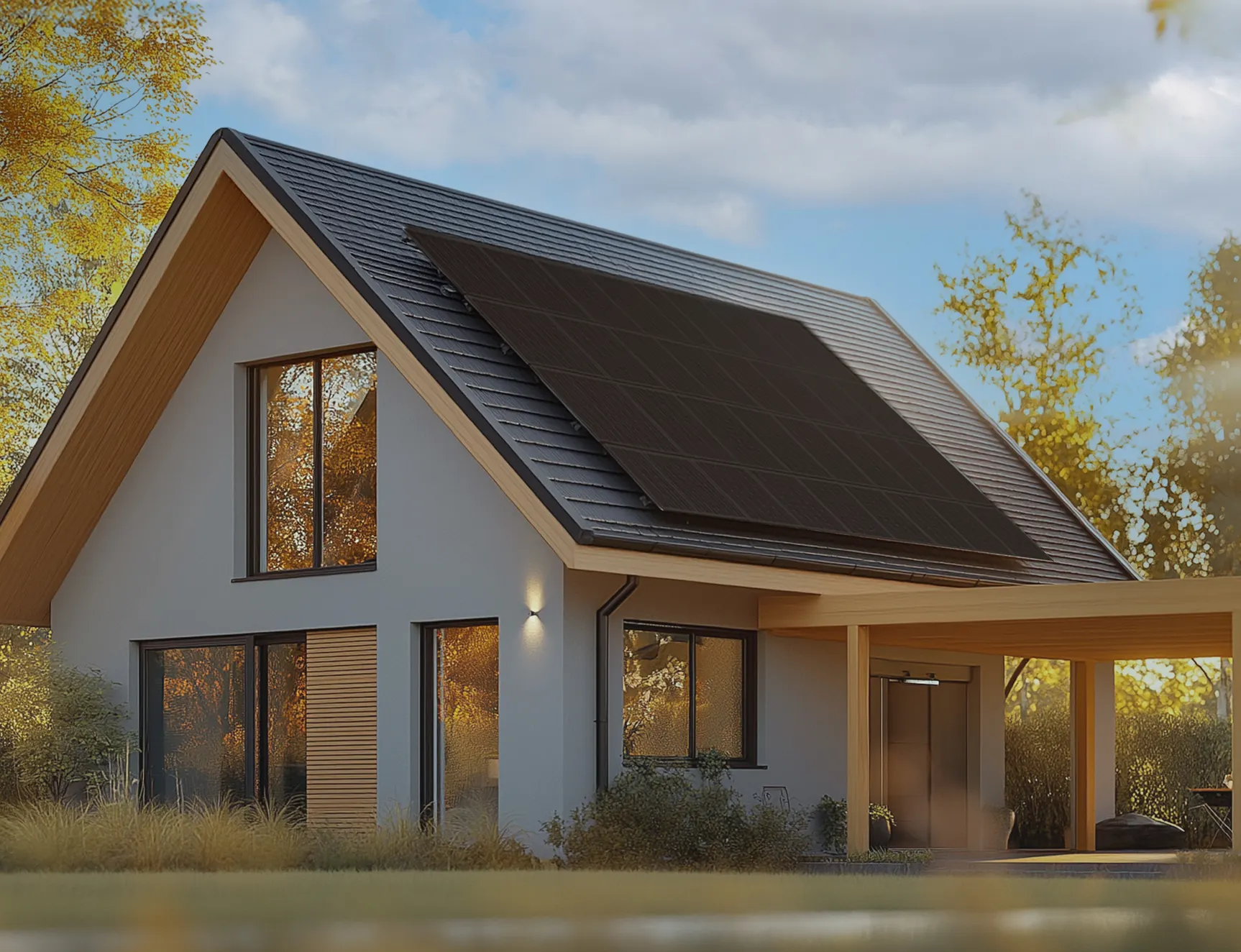
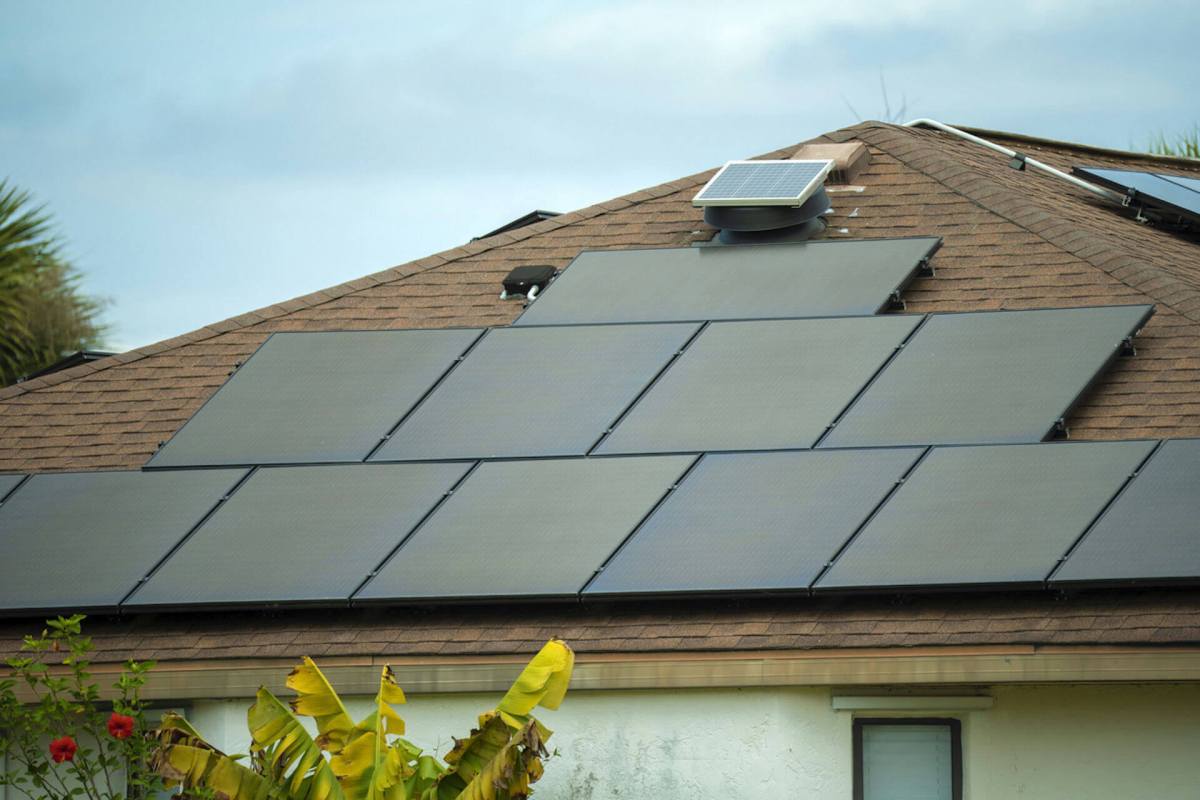

Nikhil Kumar, program director at GridLab, argued that relying mostly on new gas generation will not address the shortfall quickly enough.
He said a solar-plus-battery project could be funded and completed within one to three years, while a new gas plant may take five to eight years because of turbine delivery delays.
What's being done?
To address the problem, PJM is moving ahead with two changes: bilateral agreements during summer 2026 between data center operators and power suppliers, and a fall 2026 auction meant to bring in more generation for expected shortages.
Jon Gordon, senior policy director for Advanced Energy United, said market monitors are in "uncharted waters" as they wait to see whether those changes will actually protect consumers.
PJM spokesperson Dan Lockwood said 51,000 megawatts of projects have already signed interconnection agreements, including 46,000 megawatts of solar, wind, storage, or hybrid projects.
However, he said many remain delayed by permitting barriers, supply chain backlogs, or local opposition, even as more than 83,000 additional megawatts of similar projects are still earlier in the queue.
For homeowners, EnergySage's free services can offer one practical response to rising rates.
With EnergySage's help, the average person can save up to $10,000 on solar purchases and installations. EnergySage's solar map shows the average cost of a home solar panel system state by state, along with details on solar panel incentives for each state.
Together, these resources can help readers get the best price for rooftop solar panels and access available incentives.
Adding battery storage to a solar setup is one of the best ways to protect your home during outages, save money on energy, and go off-grid. Readers can explore EnergySage's free tools for information about home battery storage options, including competitive installation estimates.

Get TCD's free newsletters for easy tips, smart advice, and a chance to earn $5,000 toward home upgrades. To see more stories like this one, change your Google preferences here.






