


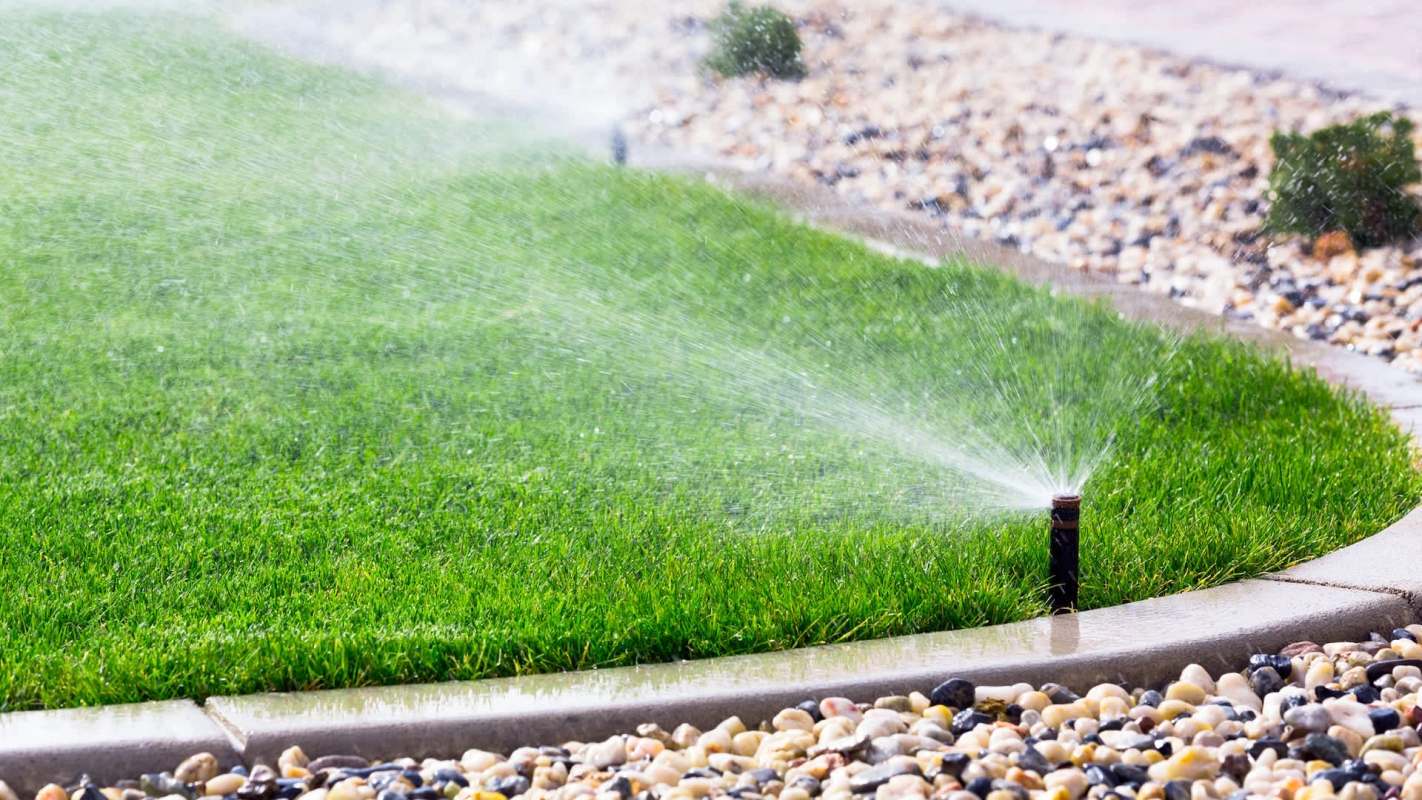
In drought-strained Colorado, Aurora's drought response includes digital monitoring of water usage. Watering a lawn for a third day in one week can automatically trigger a warning and sometimes bring a fine.
For residents in Aurora, that means water conservation is no longer just a request. It is subject to real-time enforcement.
What's happening?
As The Colorado Sun reported, Aurora Water gets readings every 15 minutes from smart meters installed on every property, allowing the utility to identify sharp increases in use that may point to irrigation violations.
Among the violations the system can catch are lawn watering on an unapproved third day and sprinkler use during restricted daytime hours.
Aurora says lawn water use among its roughly 400,000 residents has fallen 27% from 2025 levels, while combined indoor and outdoor consumption is down 9%.
This comes as a response to their reservoir system sitting far below normal, at 49% full rather than its more typical level above 80%.
TCD Picks » Quince Spotlight
💡These best-sellers from Quince deliver affordable, sustainable luxury for all




Denver Water, which serves about 1.5 million people, has seen a smaller decline. Its water use is about 5% below its previous five-year average, short of its 20% goal under twice-a-week watering restrictions.
"Versus 2025, total water use is currently down about 7% and outdoor use is down about 16%," Denver Water communications manager Travis Thompson said.
Why does it matter?
Colorado's water crunch is about more than keeping grass green. As drought, climate change, and disputes over river supplies put more pressure on cities, utilities are being forced to stretch limited water supplies even further.
Lower reservoir levels can make it harder for utilities to protect drinking water supplies, control costs, and prepare for another dry year.
Aurora spent millions to fully deploy advanced meters. Denver, meanwhile, prioritized replacing dangerous lead water delivery lines, leaving the utility more dependent on customer complaints and in-person follow-up to identify violations.
What's being done?
Aurora is using its smart meters for both enforcement and customer awareness. Residents can log in to monitor their own water use, which can help them detect leaks before they become costly or cause damage.
Shonnie Cline, Aurora Water's deputy director of water internal and external relations, compared the system to a fitness tracker that helps people spot habits and make changes.
Denver is also shifting from education toward stricter enforcement as the drought continues. The Colorado Sun reported that the utility had mailed nearly 3,600 warning letters while issuing just five fines, though officials said penalties will increase as they focus on neighborhoods with heavier outdoor use.
"We have a long game," Greg Fisher, Denver Water's manager of demand planning, said.
And Cline said smart meters leave "a definite footprint that goes along with the data that indicates irrigation is taking place."

Get TCD's free newsletters for easy tips, smart advice, and a chance to earn $5,000 toward home upgrades. To see more stories like this one, change your Google preferences here.






