


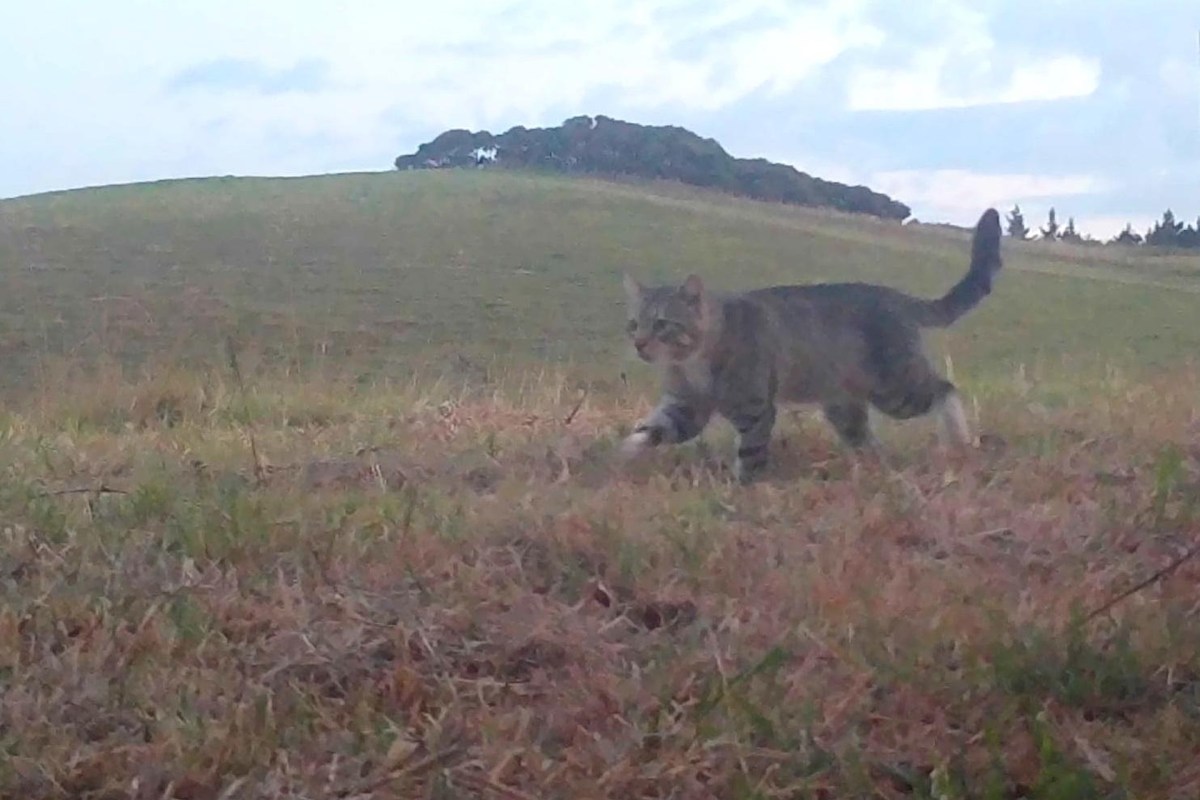
After three years of eluding trappers on New Zealand's Purerua Peninsula, a feral cat blamed for major losses among endangered ducks has been captured, bringing an end to a persistent conservation threat.
The animal, known as "Nine Lives," drew attention after conservation workers connected it to repeated killings of native wildlife.
What happened?
The large grey tabby was caught on July 30 after trappers noticed it returning to the same quarry for three nights in a row. Pest Free Purerua said, according to the Guardian, that the cat was suspected of killing dozens of pāteke, or brown teal, along with kiwi chicks, native geckos, and other animals on the peninsula.
Andy Mentor, project manager for Pest Free Purerua, said the problem began in 2023 after 20 pāteke were introduced to the area.
"But within a week we had our first death. We put up some cameras, and we identified a particular cat with specific markings," Mentor said.
The deaths continued after that. Mentor said another 15 birds were lost, and when more pāteke were released in 2024, the same cat was blamed for killing 15 of those 20 as well.
TCD Picks » Quince Spotlight
💡These best-sellers from Quince deliver affordable, sustainable luxury for all




He said, "This particular cat would be very erratic. It would show up in a particular place and then not show up for another two or three months."
Why does it matter?
For conservationists, the toll was especially serious: pāteke are New Zealand's rarest mainland duck, and Nine Lives was thought to have killed about 1% of the species' entire population.
The case points to a broader challenge in New Zealand, where feral cats remain a major threat to native biodiversity. More than 2.5 million feral cats are thought to range through the country's bush and offshore islands, where they prey on birds, reptiles, and other wildlife that evolved with few natural predators.
It also reflects the difficult tradeoffs communities face when trying to protect vulnerable species while navigating strong public feelings about cats. Some people were upset that Nine Lives was killed, while others saw its capture as a major conservation victory.
What's being done?
Years of work with traps, cages, cameras, and bait eventually paid off. Mentor said the team placed salmon, fried chicken, and rabbit near the quarry, then received a cellphone-camera alert showing the cat inside a cage.
"We dispatched our trappers to check it out, and there it was. So it was humanely shot," he said.
Researchers plan to examine the cat's stomach contents to better understand what it had been eating. Its body is also expected to be taxidermied for community education about the damage feral cats can cause to native wildlife.
The government said feral cats would become part of New Zealand's Predator-Free 2050 strategy, a move Mentor said will be a "real step up" from simple suppression efforts. If those protections remain in place, the team may eventually try introducing pāteke to the peninsula again.
Mentor said the team has not forgotten how difficult Nine Lives was to catch.
"We don't take for granted that we've had this success because it had us baffled for so long," he said. However, he added, "Nine Lives needs to be given a certain amount of dignity and respect."

Get TCD's free newsletters for easy tips, smart advice, and a chance to earn $5,000 toward home upgrades. To see more stories like this one, change your Google preferences here.







