


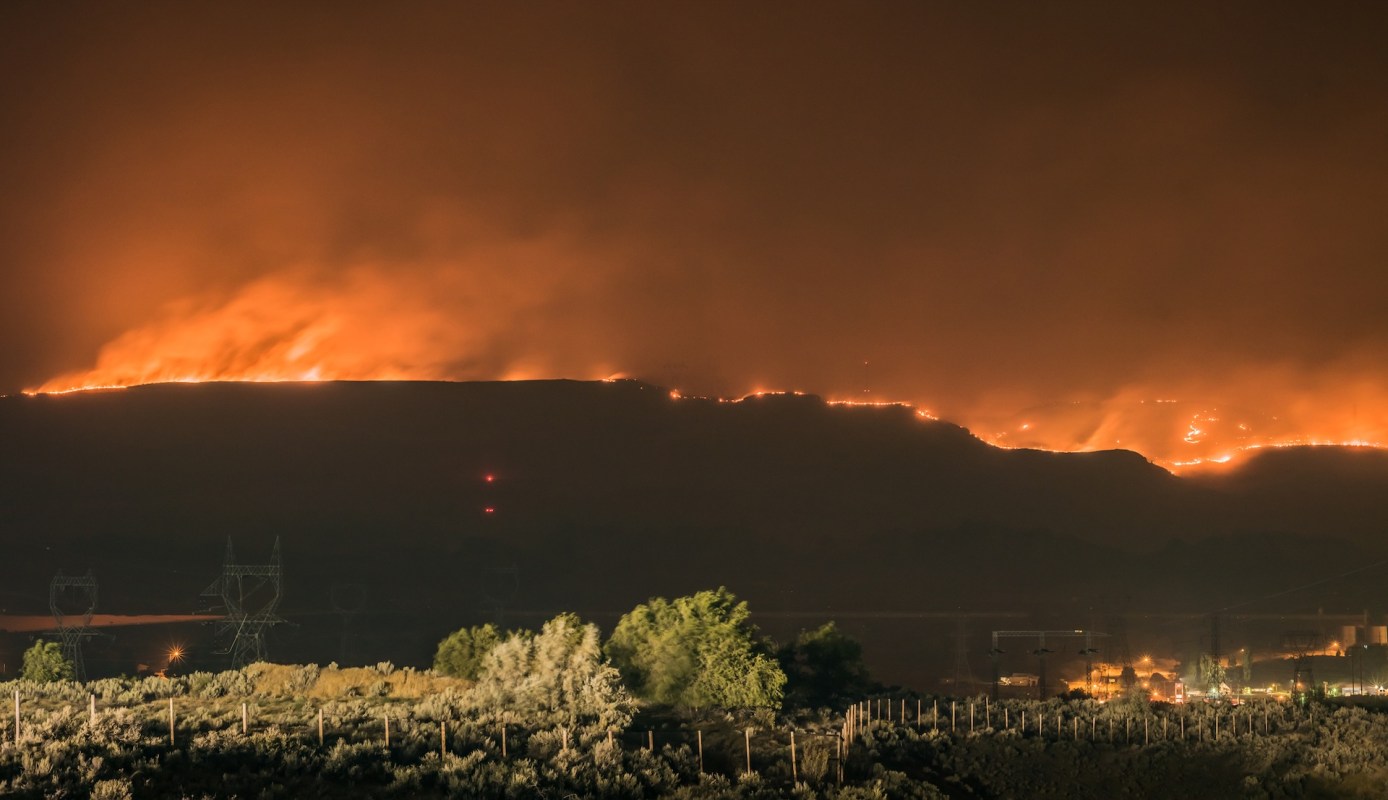
The Spokane region's wildfire emergency has become one of the state's worst on record, with a fast-moving Eastern Washington blaze destroying hundreds of structures and driving tens of thousands of people from their homes. Veteran fire officials said the destruction is also intensifying concerns about a federal strategy that emphasizes aggressive suppression, which they fear could expose more crews to danger as severe fires grow more common.
What happened?
After jumping the Spokane River, the fire surged into developed areas, destroying more than 600 structures and forcing about 60,000 residents to evacuate, Stateline reported.
Tom Clemo, the incident commander, called it "probably the largest, most destructive fire in Washington's history."
The blaze erupted during a western fire season that was already marked by unusually dangerous conditions.
Mayor Lisa Brown said Spokane officials were "still assessing the potential for lives to be lost."
Emphasizing how overwhelming the event had become, Spokane Assistant Fire Chief Lance Dahl told the Spokane Spokesman-Review: "There is not a fire department in the U.S. that can handle a wind-driven event this size."
TCD Picks » Quince Spotlight
💡These best-sellers from Quince deliver affordable, sustainable luxury for all




The disaster came after an April directive from Agriculture Secretary Brooke Rollins and Interior Secretary Doug Burgum ordering federal wildfire agencies to pursue "full suppression" and attack fires aggressively at the outset.
Why does it matter?
To several longtime wildland fire leaders, the federal approach resembles the old "10 a.m." policy of putting out every fire as quickly as possible.
Many foresters now say that years of suppressing natural fire allowed forests and underbrush to grow denser, leaving more fuel available for catastrophic blazes.
Jane Darnell, described by Stateline as a wildfire veteran with more than three decades in the Forest Service, said the strategy repeats the errors that helped produce today's crisis.
"We lived with the 10 a.m. policy for 100 years, and we got here," she said. "This full suppression promise to the public is a promise that can't be kept."
Former wildland fire chief Riva Duncan likewise said the message from federal leadership is troubling as crews deal with increasingly extreme fire behavior.
"You've got somebody in a suit in an office who's never fought fires saying you've got to go direct attack," she said.
What's being done?
Foresters in the Pacific Northwest say they are closely tracking conditions and still trying to keep fires small while maintaining a strong focus on safety.
Washington state forester George Geissler said he has not heard that federal crews are taking added risks, but he warned that leadership rhetoric can influence field decisions.
"If you set goals, but you don't set a good leadership tone related to safety, you can have those type of decisions being made," he said.
Oregon state forester Kacey KC said land managers are also facing landscapes so dry that many fires cannot safely be treated as beneficial.
"Every fire we can keep small is good," she said. "Especially in conditions like this, there is not good fire right now on this landscape."
Even so, fire veterans say agencies should not abandon "managed fire" entirely.
Some lower-risk fires, if allowed to burn under supervision, can reduce future fuel buildup and help maintain healthier forests.
Darnell said worsening conditions mean crews must be placed with extra care.
"We've got conditions on the ground that are so explosive, it really begs us to be really careful about where we put people," she said.
Geissler added: "When the weather is this bad, all of those (safety protocols) become more and more critical."

Get TCD's free newsletters for easy tips, smart advice, and a chance to earn $5,000 toward home upgrades. To see more stories like this one, change your Google preferences here.







