


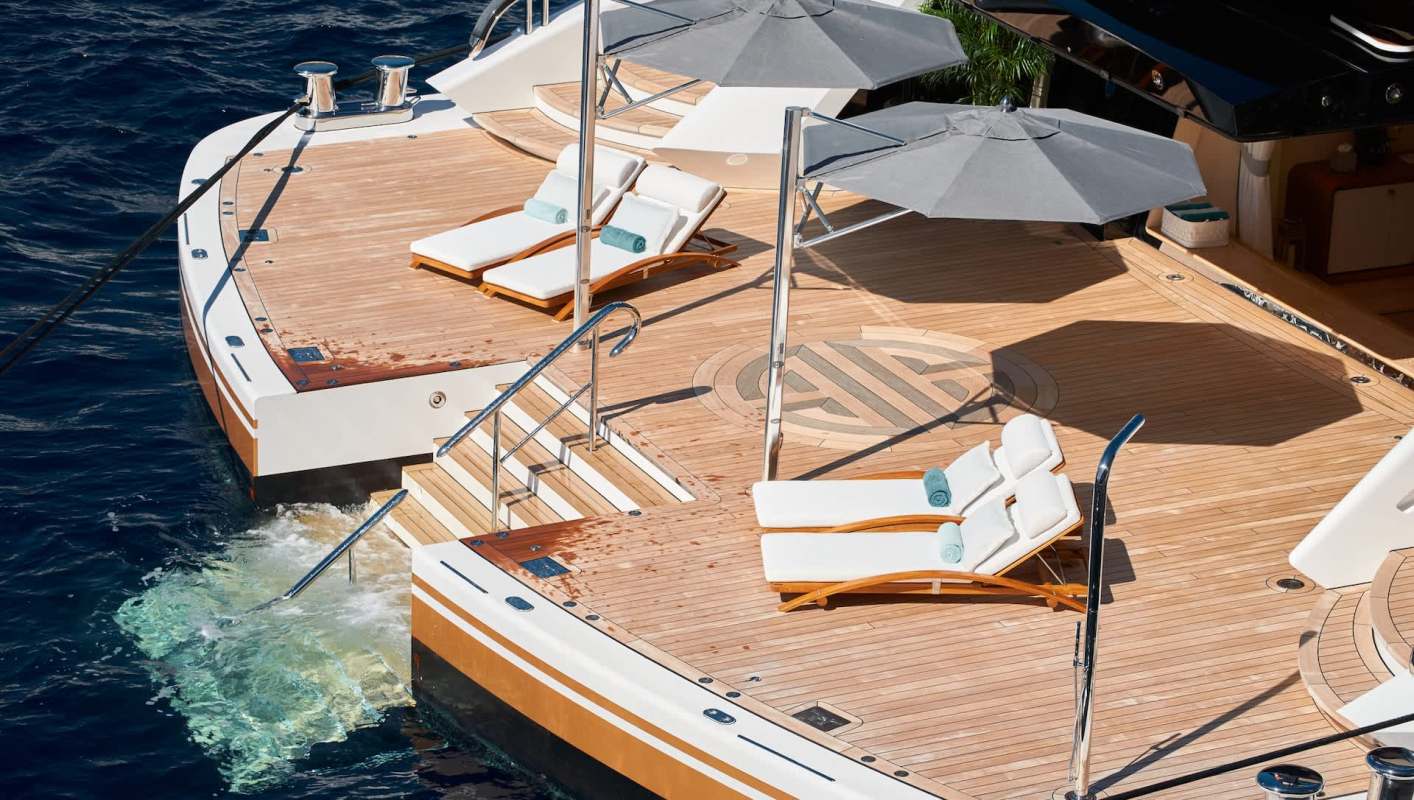
A fight over what would rank among the world's most extravagant yachts is headed to London's High Court, where a broker said Revolut founder Nik Storonsky completed a €350 million ($404.5 million) purchase without paying the commission it claims it earned.
While the lawsuit centers on ultrawealthy spending, the issue at the heart of the case is far more familiar: who gets paid when a buyer and seller are brought together by a middleman.
What happened?
Court documents cited by The Irish Times show that luxury yacht brokerage Cecil Wright & Partners is seeking €17.5 million ($20.2 million) from billionaire fintech executive Nik Storonsky. The firm said the sum is commission tied to a superyacht purchase completed in January 2026.
The brokerage said its involvement began in October 2024, when an adviser to Storonsky's family office got in touch about building a yacht. Then, in 2025, the adviser asked whether there was a vessel Storonsky could buy sooner, and Cecil Wright said it presented a 335-foot (102-meter) yacht under construction at German shipyard Lürssen.
Among the amenities Robb Report has described are a 25-foot glass-bottomed infinity pool, a beach club, and a gym with a cryotherapy chamber.
Before Storonsky acquired it, the yacht had already passed through several hands. It was first commissioned by Canadian businessman and former ice hockey player Patrick Dovigi, then sold to an unnamed Brazilian owner. Brazilian bank executive Daniel Vorcaro was arrested in November 2025 in an investigation into an alleged R$12.2 billion ($2.4 billion) fraud involving Banco Master, which collapsed in 2025; his lawyers said he has denied wrongdoing and is cooperating with authorities. Dovigi bought the vessel back and sold it to Storonsky.
TCD Picks » Quince Spotlight
💡These best-sellers from Quince deliver affordable, sustainable luxury for all




Why does it matter?
At stake is Cecil Wright's argument that its brokerage agreement entitles it to a 5% commission because it was the sale's "effective cause," even though Storonsky ultimately bought the yacht directly from the seller. Questions like that are not unique to superyachts and can come up in home sales, car purchases, renovations, and other deals involving brokers or agents.
When a purchase involves advisers, agents, or brokers, uncertainty over who is owed what can lead to legal fees, delays, and financial stress that far exceed the original commission.
Thorough due diligence can be especially important when an asset has changed hands several times or carries legal uncertainty.
What can I do?
If you are using a broker or agent for any major purchase, ask for written terms upfront. That includes the commission percentage, whether the agreement is exclusive, and exactly what event triggers payment.
It can also be worth seeking an independent legal review before signing. Spending money early to clarify a contract can help protect against much larger costs later, especially if a deal changes form or ends up being completed directly between the buyer and seller.
Consumers should also keep a paper trail. Saving emails, text messages, listings, and introductions that show who connected a deal to whom can be valuable if there is later a dispute over whether an intermediary truly caused the sale.
And if an item has a complicated history, ask direct questions about ownership, liens, and pending disputes before moving ahead. Those steps can help reduce risk and avoid surprise fees.
A spokesperson for Storonsky's family office said the claim was "without merit and will be defended."
Chris Cecil-Wright, founder of Cecil Wright & Partners, told the Financial Times: "It's very rare for brokers to find themselves in this situation and it's the first time I have done so, but I feel strongly about it, hence am taking action."

Get TCD's free newsletters for easy tips, smart advice, and a chance to earn $5,000 toward home upgrades. To see more stories like this one, change your Google preferences here.






