


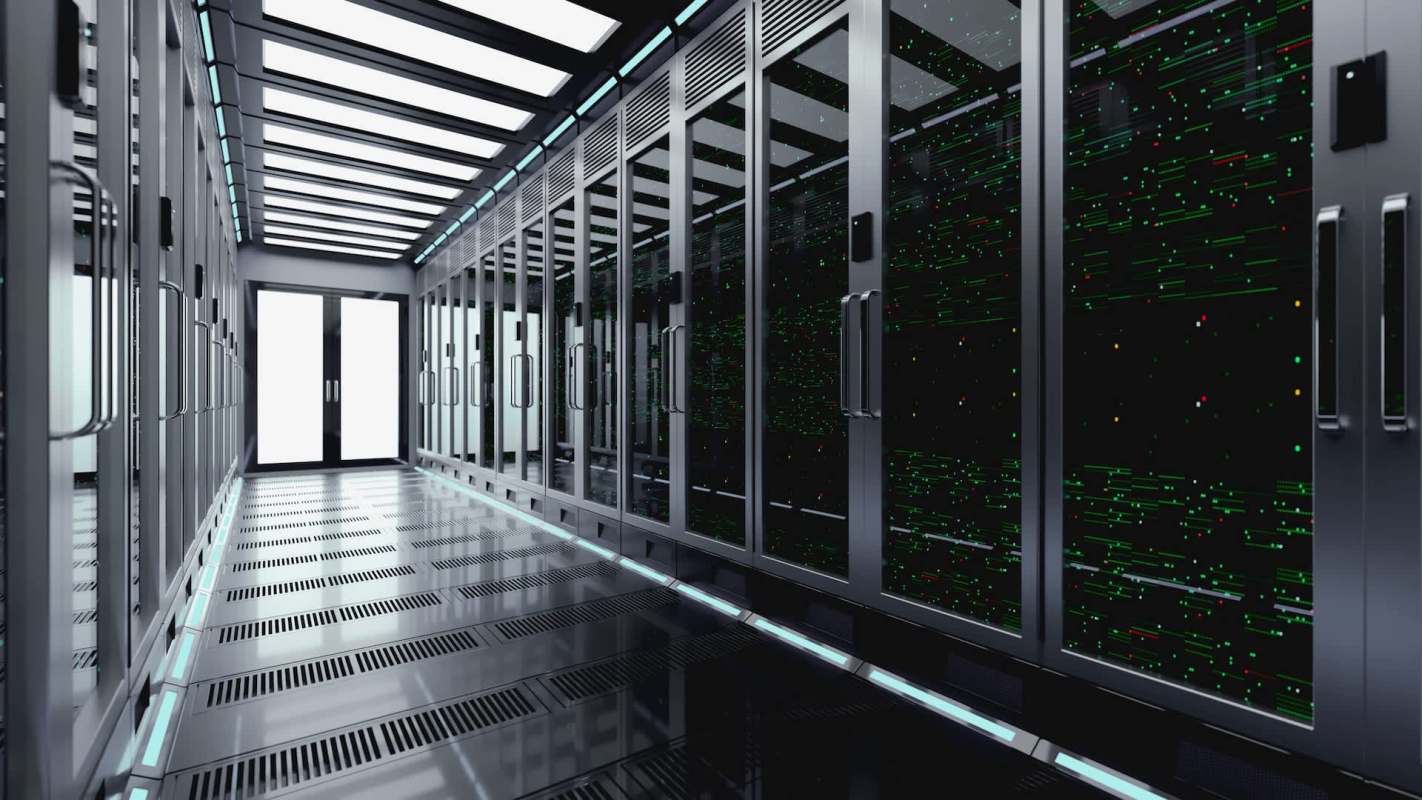
After pausing new proposals, Aurora, Illinois, has changed how it regulates data centers, responding to residents' concerns about noise, water consumption, and electricity demand while closing a zoning gap that had allowed the facilities to move forward under warehouse rules.
What happened?
According to WGLT, Aurora enacted new data center rules on March 24. The move came after a 180-day freeze on new applications that started in September 2025, and officials said the city's 10 existing data centers had previously been reviewed through warehouse zoning because Aurora's code did not clearly define the facilities.
That route is no longer available, Aurora sustainability director Alison Lindburg said. WGLT reported that future projects must seek conditional-use approval, which brings public hearings, City Council approval, and notice to nearby residents.
WGLT also reported that developers now have to submit water-use studies, energy management plans, and sound assessments before winning approval. Lindburg said, as quoted by WGLT, the rules cap water-use effectiveness at 0.2, ban evaporative cooling, and require either on-site renewables covering a quarter of peak demand or batteries able to supply half of peak demand for 15 minutes.
Nearby, DeKalb is taking a different path. WGLT reported that City Manager Bill Nicklas described a lighter-touch review process there for Meta's facility and a proposed Endeavour Energy project.
Why does it matter?
Data centers are becoming a bigger local issue because they sit at the intersection of technology, utility demand, land use, and public health concerns. While large facilities can bring tax revenue and construction jobs, they can also generate noise complaints, strain water supplies, and put added pressure on the electric grid.
TCD Picks » Quince Spotlight
💡These best-sellers from Quince deliver affordable, sustainable luxury for all




The servers powering AI tools require enormous amounts of electricity and, in some cases, large volumes of water for cooling. That demand can contribute to higher energy bills, increased fossil fuel generation if clean power is not added quickly enough, and broader concerns about security, misuse, and unintended social harms.
Even with Aurora Mayor Richard Irvin Laesch calling the city's rules a "reasonable start," advocates are seeking stronger standards statewide. Dawn Dannenbring, policy director for Illinois People's Action, said, "If you're talking about something that's going to affect us, we want in on every single decision-making level."
What's being done?
Aurora's planning and zoning director, Tracey Vacek, said the city concluded data centers needed their own regulations instead of continuing to be handled like warehouses, saying, "We had to have some more specific regulations for these."
The city also worked with residents and outside groups while drafting the rules, and officials said at least one incoming project, Edged Chicago, cooperated during the process. Vacek said the company is installing EV chargers along Bilter Road "for some community benefit along the tollway."
Aurora and advocacy groups are also backing the Illinois POWER Act at the state level, which would create broader requirements for data centers. Dannenbring said facilities "should pay their fair share" and support new clean energy instead of relying on subsidies while consuming major community resources. Dannenbring put the community's stance bluntly, saying residents want "the right to say no."
Laesch said the city sees the new policy as a response shaped by public input, saying, "So, I think that we listened to everybody and found something that is effective for the needs of the residents of Aurora."

Get TCD's free newsletters for easy tips, smart advice, and a chance to earn $5,000 toward home upgrades. To see more stories like this one, change your Google preferences here.






