


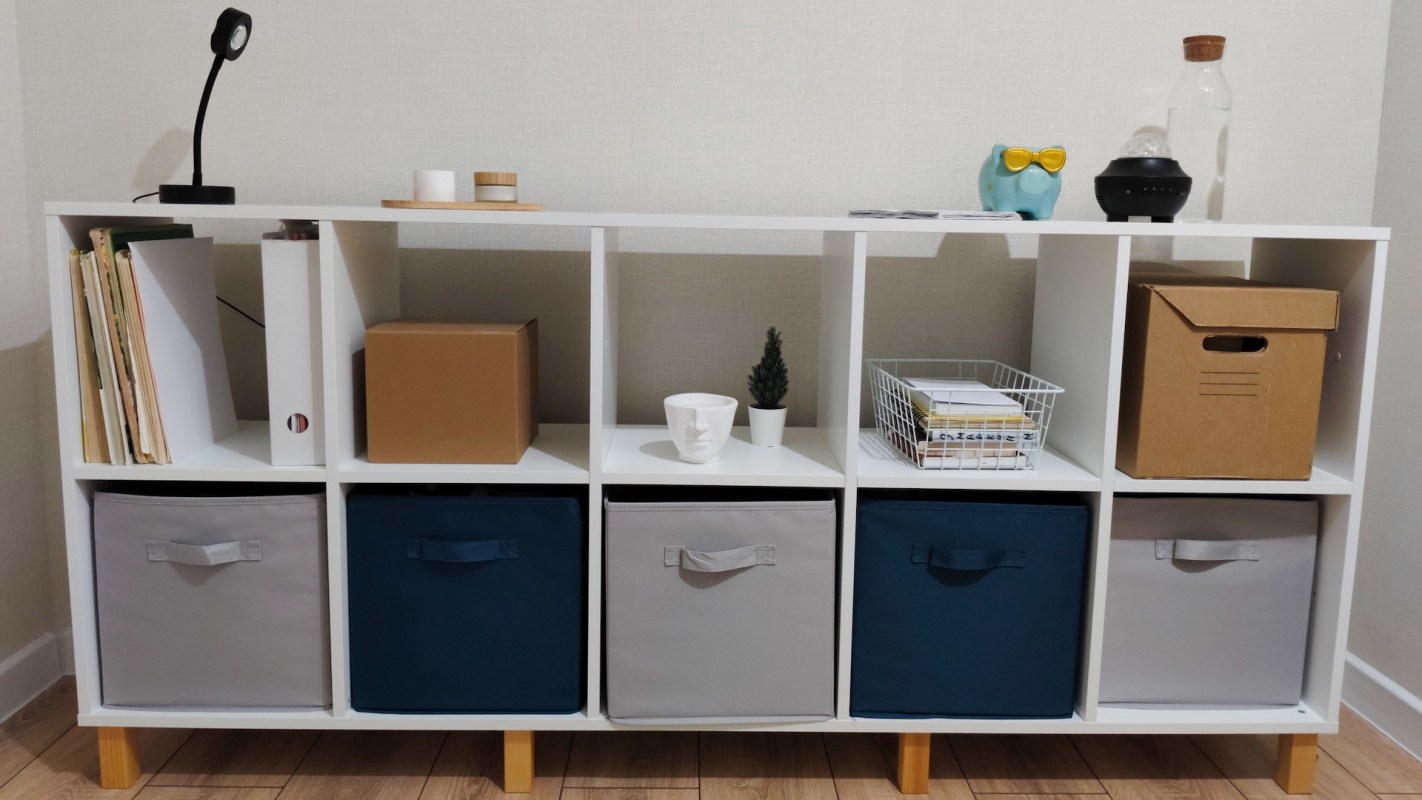
When a room starts to feel cramped, buying another bin can seem like the fastest fix. But a conversation on Reddit's r/Anticonsumption suggests the real money-saving move may be owning less in the first place.
What's happening?
The original poster said clutter often pushes people to buy baskets, shelves, drawer organizers, and other forms of extra storage. In their view, purchasing more products to hold the products you already own can become another form of consumption instead of addressing the real issue.
They said they now sort through their belongings before buying another container, asking whether each item is useful, actually liked, or worth keeping. Their suggestion was to donate, resell, repurpose, or responsibly recycle unused things before spending money on more storage.
One person described living in an 850-square-foot home with "about three closets worth" of Star Wars, courtesy of their husband, who had items packed into tubs and even rented extra storage space to make room.
Another commenter, who had moved from a two-bedroom apartment into a one-bedroom, said decluttering can bring "decision fatigue and analysis paralysis," while a different user said organizing more effectively helped them buy less because they could finally find what they already had.
Why does it matter?
Clutter can quickly become a double expense. First there is the cost of buying the items, and then there is the cost of bins, shelves, or monthly storage space to manage them.
TCD Picks » Quince Spotlight
💡These best-sellers from Quince deliver affordable, sustainable luxury for all




Commenters pointed out how easily those costs can build. One joked that a storage fee can start to feel like another "subscription," while another warned that storage companies may raise rates over time. Even without renting a unit, organizers themselves can become an ongoing expense.
There is also the issue of duplicate buying. When drawers and closets are packed, it becomes easier to lose track of cords, tools, clothing, or kitchen gear and buy replacements that were never actually needed. That means more spending, more stuff, and eventually more waste.
Old electronics came up in the thread too. One commenter said they had a bin full of outdated cables, phones, and tablets they no longer used, and clearing those out could both open up space and create a chance to donate working devices or recycle electronics responsibly.
What can I do?
Before buying more storage, try a short decluttering session first. Choose one drawer, shelf, or corner and sort what's there into keep, donate, sell, or recycle piles.
For anything you keep, organize it so it is easy to see and use. One commenter said identical transparent containers helped them stay organized with a visual of what they own, which can reduce the temptation to buy duplicates.
If collectibles, seasonal decor, or hobby gear have overflowed into multiple closets or tubs, define how much space that category gets and stick to it. That turns storage into a boundary rather than an excuse to keep accumulating.
Decluttering can be emotionally draining, especially during a move or major life change. Still, selling a few items, donating what you no longer need, and taking old electronics to a proper recycling drop-off can save money and free up space without requiring a total overhaul in a single day.
"Do I use it? Do I actually like it? Would I miss it if it were gone?" the original poster wrote. As one commenter put it, "Going against the prevailing culture is difficult! It's worth it, but it does take time and energy."

Get TCD's free newsletters for easy tips, smart advice, and a chance to earn $5,000 toward home upgrades. To see more stories like this one, change your Google preferences here.






