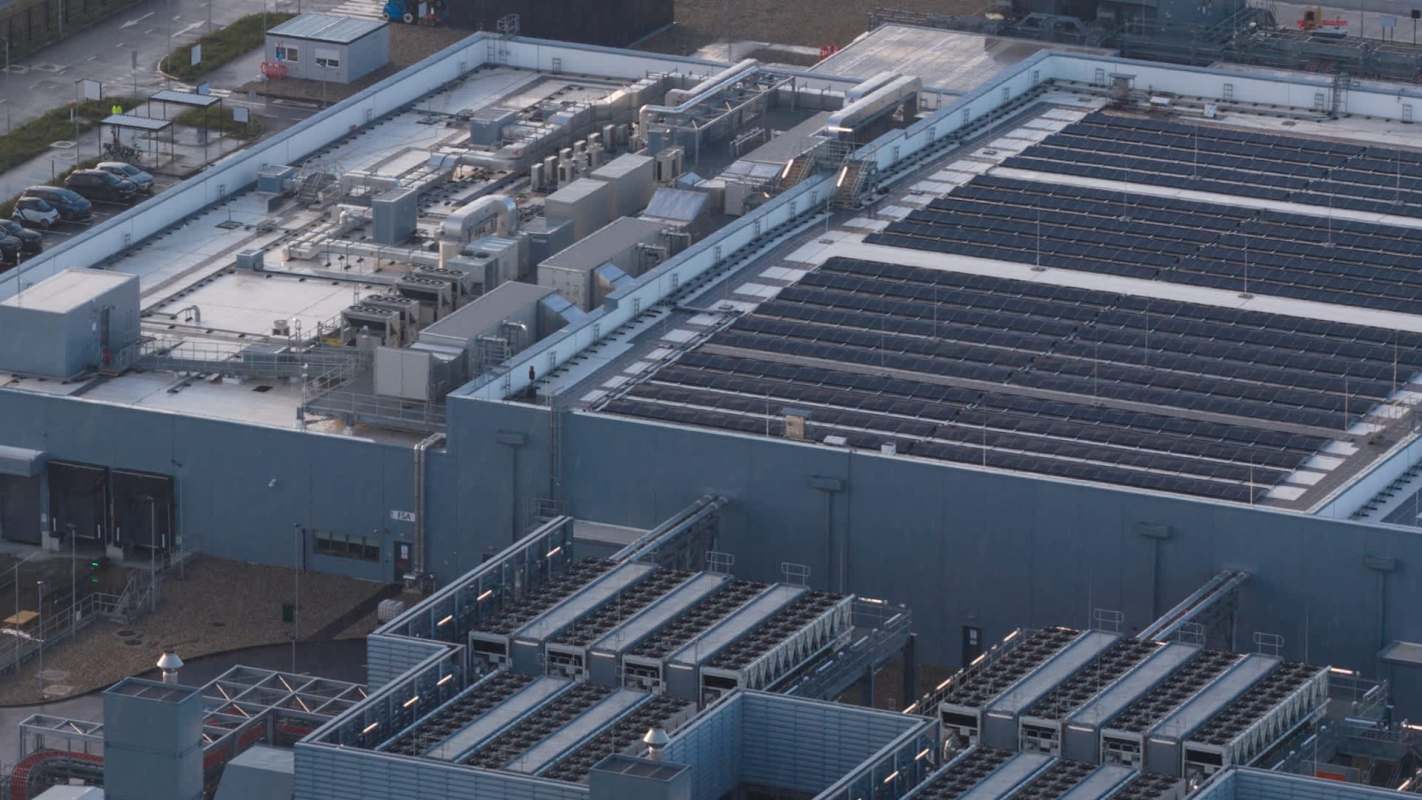
In Kansas, disputes over data center growth have moved to the forefront of the governor's race. What once looked like a fight over development policy is now shaping both parties' primaries.
What's happening?
Kansas already has nearly 40 data centers, with additional projects still awaiting decisions. As those proposals advance, candidates are being asked to take sides in a debate that communities across the state increasingly see as economic and technology gains on one hand, or added strain on water, electricity, and taxpayers on the other.
According to Politico, the pushback has upset the usual partisan patterns ahead of the gubernatorial primaries. Republican candidate Philip Sarnecki has spent more than $300,000 targeting state Senate President Ty Masterson for backing a 2025 law that broadened data center development, while state Sen. Cindy Holscher — who supported that law as well — is urging a pause on additional projects.
That change has given Holscher's opponents an opening. Among those attacking her is Democratic candidate Ethan Corson, who has the backing of term-limited Gov. Laura Kelly.
A July Politico poll found sentiment toward data centers worsening among voters in both major parties.
"It's bleeding across both primaries and it's blurring traditional party stances," said Bob Beatty, a political science professor at Washburn University in Topeka, crediting the rapidly shifting politics to a growing "fear around AI."
TCD Picks » Quince Spotlight
💡These best-sellers from Quince deliver affordable, sustainable luxury for all




Why does it matter?
Data centers are the physical backbone of the digital economy, storing information and powering everything from cloud services to artificial intelligence tools. But they also require enormous amounts of electricity and, in many cases, large volumes of water for cooling.
A key point of conflict in Kansas is the use of tax incentives that can last 20 years. Residents are weighing whether the benefits from attracting these facilities justify the demands they can place on local infrastructure.
The AI boom is closely tied to the energy grid because training and running advanced models can sharply increase electricity demand. AI also brings potential benefits, but its growth can bring serious drawbacks, from higher energy and water use to security risks, misuse, and the possibility that ordinary customers could end up paying more on their monthly bills.
What's being done?
Campaigns are recalibrating as data centers become a broad voter concern rather than a specialized policy issue. Holscher's call for a moratorium illustrates how quickly elected officials can back away from expansion when neighborhood and local opposition intensifies.
The backlash may push lawmakers and regulators to demand tougher review of future projects. That could mean closer scrutiny of water use, power demand, grid upgrades, and whether lengthy tax incentives make sense for individual communities.
Public hearings, county meetings, and state regulatory filings often determine how much a project will cost, what safeguards are required, and who bears the risk if demand on the grid rises.
Kansas voters are showing that data centers are becoming a real-world measure of who benefits from the AI era — and who pays for it.
"Ultimately, these decisions should be made by communities, not by politicians in Topeka," Corson said in a statement, per Politico.

Get TCD's free newsletters for easy tips, smart advice, and a chance to earn $5,000 toward home upgrades. To see more stories like this one, change your Google preferences here.