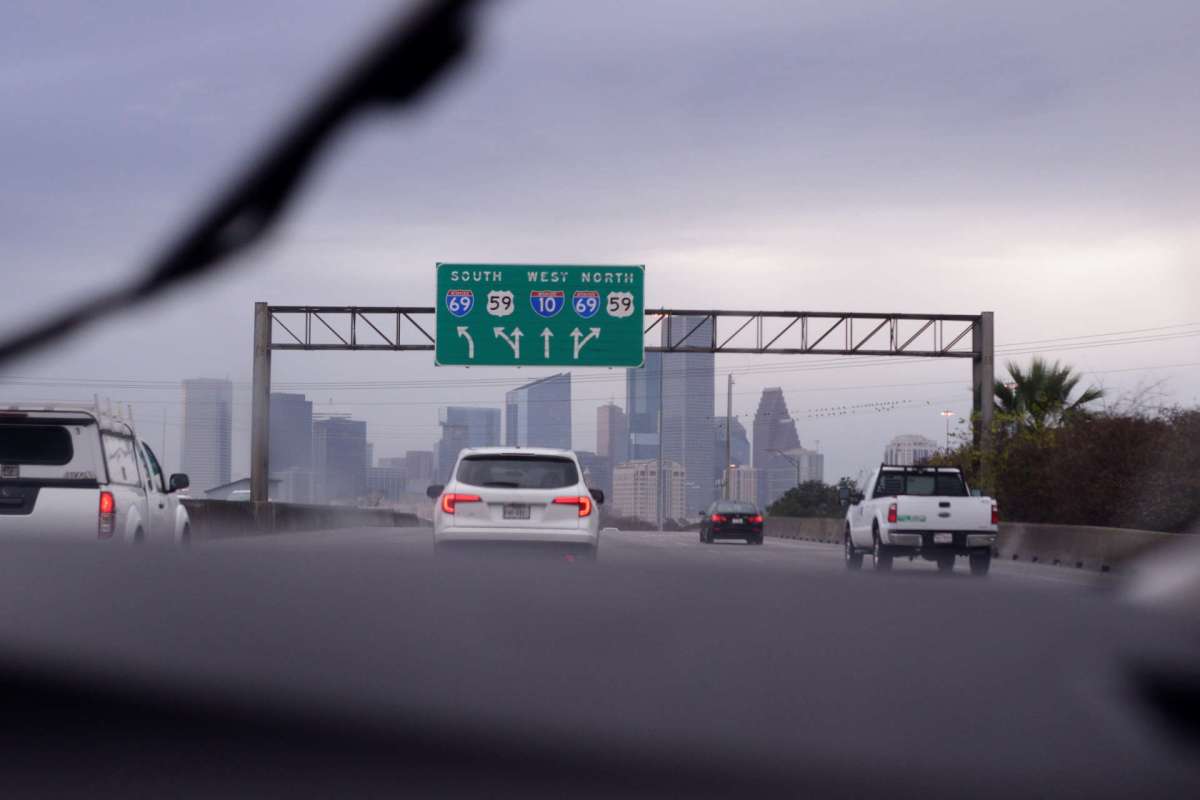
A TikTok creator and self-described storm chaser took to the streets in Houston as a 20% chance of rain forecast turned into surprise flooding that left some drivers stranded in mud.
What happened?
StormChaserHTX (@stormchaserhtx) shared street-level footage from Houston showing floodwater on the outbound North Freeway deep enough to halt several vehicles. In the video, he says, "We have cars that are literally stalled."
In the video, the flooding was presented as a startling outcome from a forecast that had suggested only a small chance of rain.
@stormchaserhtx FLOODING TAKING PLACE. NOW 8500 N Fwy outbound Multiple cars stalled This was the 20% rain that was forecasted for today wow #houston #houstonnews #TXWX #flood #htx ♬ VI. Absentia - Julliesvit
The video shows how quickly drivers can end up in hazardous situations if flash flooding impacts popular roadways.
Why does it matter?
Flash flooding is one of the most dangerous forms of extreme weather because it can build quickly, especially on roads and low-lying urban pavement that cannot absorb heavy rainfall fast enough. Even a brief downpour can disable cars, trap drivers, and block emergency access.
Worsening extreme weather disasters endanger lives and livelihoods by disrupting transportation, damaging vehicles, delaying workers, and straining first responders. For families, that can mean missed paychecks, repair bills, medical risks, and a longer recovery after a storm. For communities, repeated flooding can threaten public health, weaken safety infrastructure, and create broader economic instability.
TCD Picks » Quince Spotlight
💡These best-sellers from Quince deliver affordable, sustainable luxury for all




The Houston video also highlighted a frequent misunderstanding about forecast percentages. A 20% chance of rain does not describe light rainfall; it means 20% of a region could experience rain. A relatively low rain probability can still bring severe impacts in the places that get hit.
What can I do?
If you find yourself driving during heavy rainfall that is flooding roadways, the safest move is to treat standing water on roads as a hard stop. Drivers should avoid roads and underpasses known to collect water, even if nearby streets appear passable.
It also helps to check local flood advisories before commuting and to plan a backup route. Urban flooding often affects the same trouble spots repeatedly, so neighborhood knowledge can be useful.
People can also protect themselves by keeping phones charged, enabling weather alerts, and resisting the temptation to test water depth with a vehicle. A stalled engine or swept car can turn a preventable inconvenience into a life-threatening emergency.

Get TCD's free newsletters for easy tips, smart advice, and a chance to earn $5,000 toward home upgrades. To see more stories like this one, change your Google preferences here.