A family mystery that stretched across the North Atlantic was solved through an unlikely chain of clues: a DNA test, a century-old shipwreck, and one shared Facebook friend. For Yvette Holly of Hull, a city in England, the discovery led to relatives in Iceland and a new understanding of her father's life.
What happened?
The search started when genetic testing revealed something Holly had not expected.
"Two years ago I took a DNA test," she said. "And the DNA test told me something that I didn't know, which was I'm half Icelandic." Holly said she had always known she did not know her father, and, as the BBC reported, she turned to a genealogy website to try to identify him.
One likely match was Barour Jon Grimsson, who was around Holly's age and seemed as though he could be her cousin.
Looking over his Facebook profile, Holly found they had a mutual friend in Alec Gill, a prominent historian specializing in Hull's fishing trade. Gill said Grimsson had been investigating a stranded 1915 trawler called Pamela.
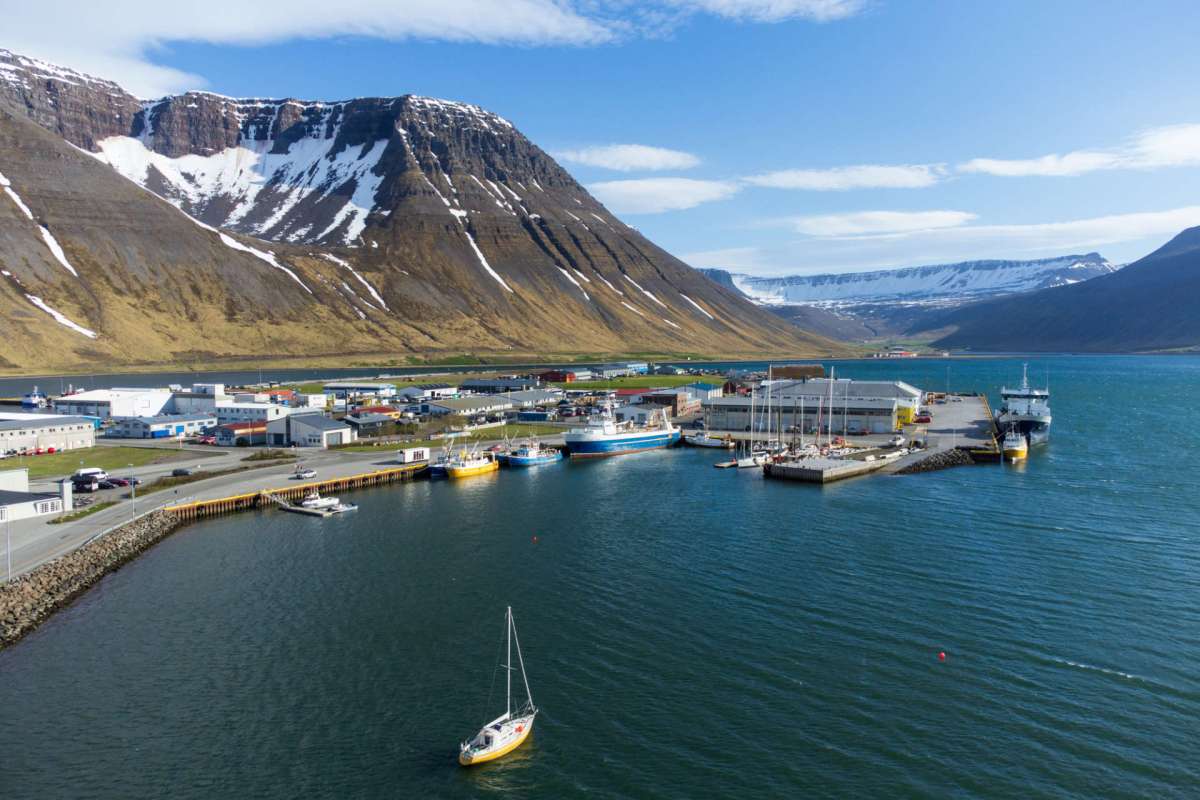
After his grandfather died in Isafjordur in 1977, Grimsson said he found the Pamela's sign in an outbuilding. It was among pieces of the wreck his grandfather had obtained after the abandoned vessel was bought for 4,000 Icelandic krona, about £24 or $32, and broken up.
TCD Picks » Quince Spotlight
💡These best-sellers from Quince deliver affordable, sustainable luxury for all




"Then I saw that sign and the name on it, Pamela, with the copper letters," he said. "It was a beautiful sign."
Grimsson then helped Holly make contact with her first cousins in Iceland. Neither side had known the connection existed.
Why does it matter?
Hull's fishing trade and Iceland's coastal communities share a history that goes back decades.
Gill said the ship first fished in the North Sea under a "box fleet" system, with groups of trawlers working together, but the pressures of World War One pushed the fleet into rougher waters near Iceland. "They weren't built for the Icelandic rough waters," he explained. "They were uncharted waters."
For both Hull and Iceland, fishing provided work but also brought repeated tragedy at sea.
Holly framed the toll in stark terms: "We lost 6,000 men over a couple of hundred years. That's a lot of men, that's a lot of families being brought up by their mum."
What can I do?
The DNA result was only the beginning; genealogy websites, public records, and local historians supplied the background that a test on its own could not.
The search also shows how social media can connect people across countries. Holly's key lead came from an online profile that linked a possible cousin to a historian already familiar with the story behind Pamela.
Pieces of the wreck stayed with Grimsson's family for decades, while Gill's work helped clarify how the ship came to be in Iceland.
From a test result, Holly progressed to identifying relatives, meeting them in person, and visiting the place where her father had lived. "So we have the same story, just 2,000 miles apart," Holly said. "It's all about connections, strange, unknown connections."

Get TCD's free newsletters for easy tips, smart advice, and a chance to earn $5,000 toward home upgrades. To see more stories like this one, change your Google preferences here.