


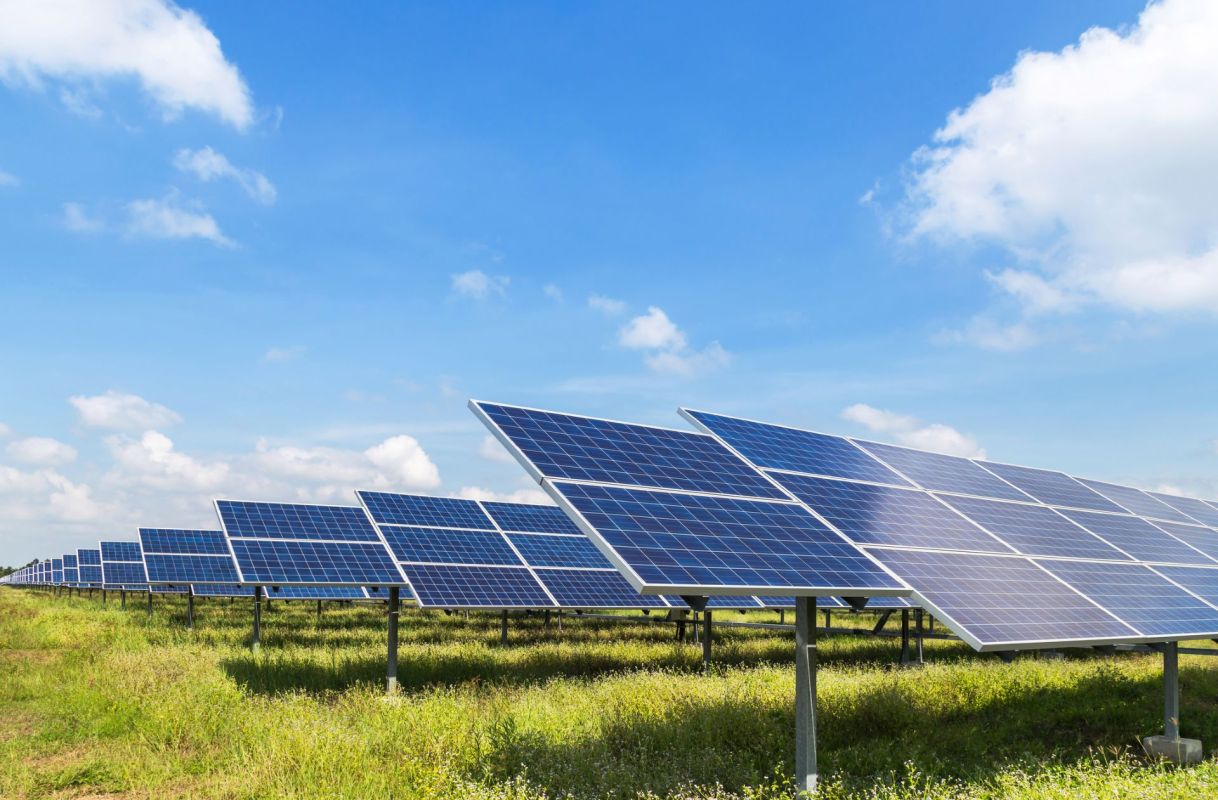
On a Colorado farm, solar installation is serving two purposes at the same time by producing renewable power and cooling down vulnerable crops.
What's happening?
Byron Kominek, owner of Jack's Solar Garden in Longmont, Colorado, has covered part of his family's 24-acre property with 3,276 solar panels, turning the site into an example of agrivoltaics, in which farmland is used for both crop production and solar generation.
According to BGR, the panels produce roughly 2 gigawatt-hours of electricity a year. Kominek sells that output to a nearby utility, giving the farm an added stream of revenue as growers face higher power bills, drought, and hotter conditions driven by human-caused climate change.
Beyond making electricity, the panels also block some direct sun, cooling the area beneath them to create microclimates that can help temperature-sensitive crops survive.
Among the plants that benefit are flax, which germinates most successfully at about 65 to 70 degrees Fahrenheit, and clary sage, which can wilt when temperatures climb past 95 degrees.
Why does it matter?
A system like this could provide a steadier income while also supporting stronger harvests. Instead of depending solely on crop sales during increasingly unpredictable weather, a farm can also earn money through power generation.
TCD Picks » Quince Spotlight
💡These best-sellers from Quince deliver affordable, sustainable luxury for all




Solar power also helps reduce planet-warming pollution, supporting cleaner air and public health. It can also reduce some of the radiation reaching the ground and help soil retain more moisture, which is especially valuable in hot, dry regions.
If farms remain productive and financially stable, communities may benefit from a more resilient food supply and less pressure from rising agricultural costs. In a warming world, that extra protection and income could help make land more productive.
What's being done?
The project is also part of ongoing research aimed at figuring out which crops do well under solar arrays and how to build these mixed-use farms more effectively.
There are still hurdles for agrivoltaics — from navigating around the panels' metal framework to covering the steep installation expense. Kominek said the more than 3,000 panels at the site cost about $2 million.
Even so, farmers do not always have to purchase their own arrays to benefit from this growing trend. Many solar sites hire local producers to graze sheep or cattle beneath panels, creating another source of income as well. Some solar shepherds can earn two to three times what traditional shepherds make.
Similar efforts are taking shape elsewhere around the globe. China's giant Gonghe Photovoltaic Park has been linked to improved growing conditions in previously barren desert land, while a floating solar farm in the Netherlands has supported a working ecosystem with Biohuts installed beneath the panels.
As climate pressures intensify, projects like Jack's Solar Garden could serve as the model for other farms to use their acreage to not only produce food with more climate-resilient harvests but also clean energy to boot.

Get TCD's free newsletters for easy tips, smart advice, and a chance to earn $5,000 toward home upgrades. To see more stories like this one, change your Google preferences here.






