


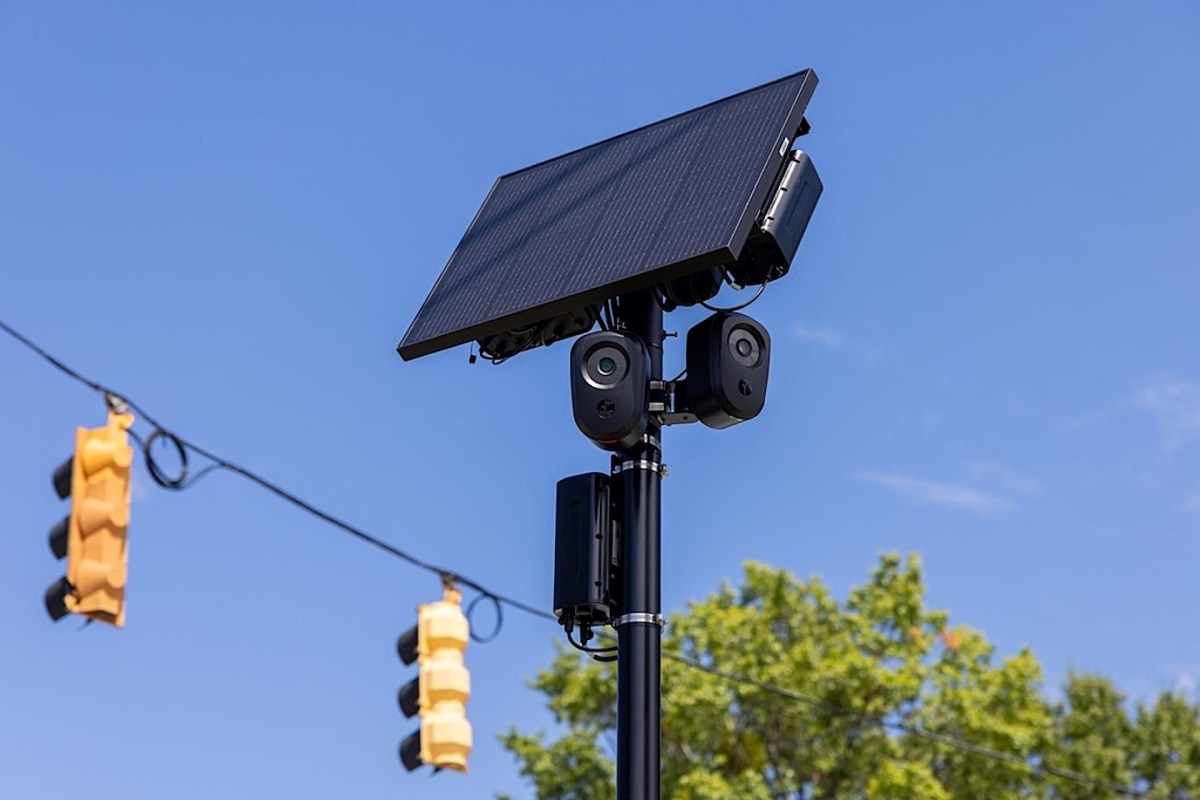
South Kingstown, Rhode Island, decided the privacy costs of Flock Safety's license plate reader cameras outweighed their promised policing value.
Local officials voted unanimously on July 27 to end the contract and remove the devices.
The decision came after a prolonged public dispute over surveillance, data access, and how much monitoring power communities should hand over in the name of public safety.
What happened?
Trevor Chandler, Flock Safety's director of public affairs, and South Kingstown Police Chief Matthew Moynihan took part in a public work session before the town council voted on July 27 to shut down the town's program.
As Steve Ahlquist wrote on Substack, Town Manager James Manning said eight cameras were approved and seven were already operating. He also laid out a detailed timeline, saying the award was approved June 23, 2025, the purchase order went out July 8, and the agreement was signed July 16 and July 17. Manning added that, under the contract language, the one-year trial began only after the first camera was installed and validated on Feb. 19.
Moynihan argued that the system could help in emergencies and investigations, saying: "It absolutely works."
TCD Picks » Quince Spotlight
💡These best-sellers from Quince deliver affordable, sustainable luxury for all




Chandler also defended the technology, telling council members: "There's no facial recognition on license plate reader cameras, period."
Even so, council members were not persuaded that the public-safety benefits were enough to outweigh the privacy tradeoffs.
Why does it matter?
The debate went beyond the cameras themselves. Council President Rory McEntee and Councilmember Patricia Alley raised concerns that plate-reader systems can reveal intimate patterns, including where people work, worship, stay overnight, or seek medical treatment.
Council Vice President Michael Marran stressed that officials were not accusing local police of wrongdoing, but were worried about "who else has access to this material and who could have access in the future."
Chandler said South Kingstown's setup was one of the more restrictive versions of the product, with data kept for 30 days, no facial recognition, and sharing limited through memorandums of understanding to six other Rhode Island agencies. He also said Flock does not contract with U.S. Immigration and Customs Enforcement (ICE).
Still, several council members said their concern was what might happen later if political priorities change, legal standards shift, or outside government agencies seek access.
What's being done?
With the cameras set to come down, South Kingstown is part of a larger Rhode Island fight over automated license plate readers. Little Compton rejected a Flock installation, while Tiverton moved to expand its program despite loud objections from residents.
The meeting focused on basic questions that come before approving surveillance tools: How many cameras are active? When does a contract actually begin? How long is data stored? Who can search it? Who audits those searches? And can outside agencies gain access later?
Surveillance policy is often shaped in town halls before it ever reaches statehouses or courts.
"It's important not just for South Kingstown but other towns to say, 'Just because the technology exists doesn't mean we should use it. This is wrong, and we don't want to use it,'" Marran said.
Alley added: "I'd rather protect 100 people than solve one crime at this point."

Get TCD's free newsletters for easy tips, smart advice, and a chance to earn $5,000 toward home upgrades. To see more stories like this one, change your Google preferences here.






