


In a state where people and wildlife live in close proximity, even the most familiar spaces can suddenly become shared territory.
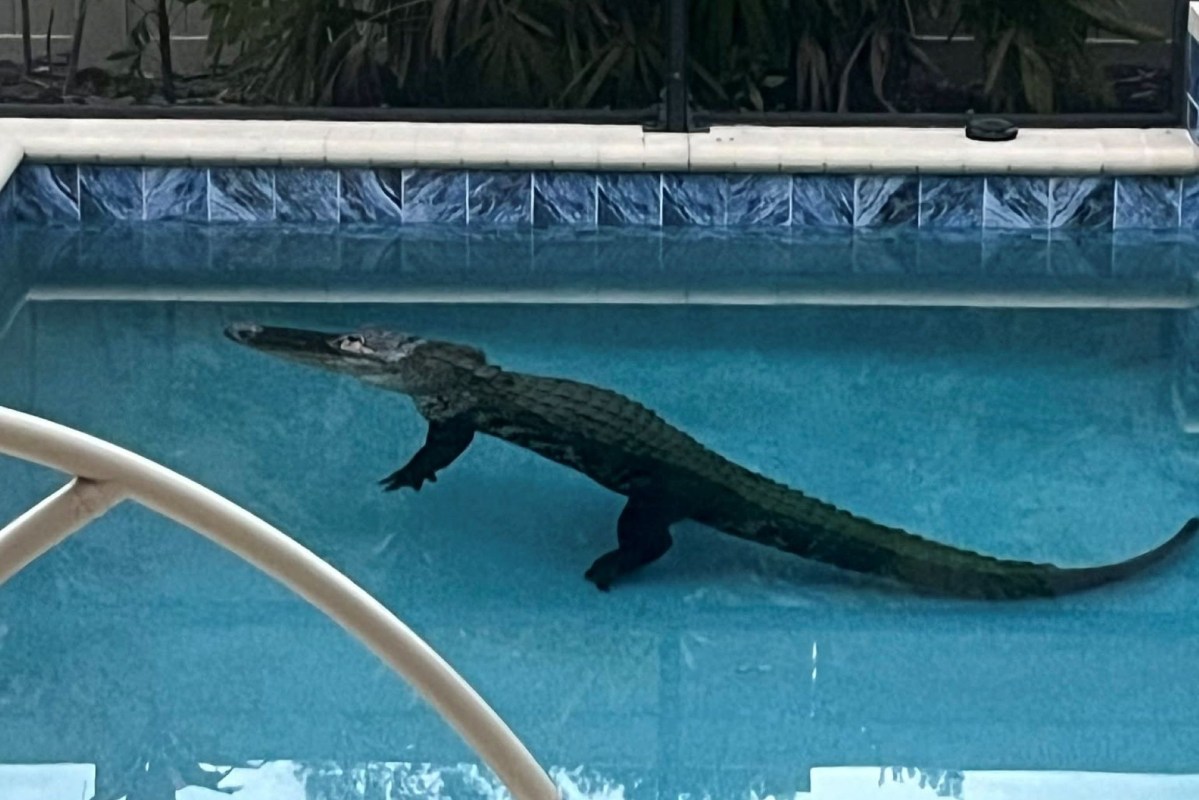
One Florida homeowner got an unsettling surprise when a 9-foot-4 alligator showed up in their backyard swimming pool in Nokomis.
What happened?
At about 5:45 a.m., a homeowner in the Toscana Isles neighborhood spotted the large alligator in the pool through a Ring security camera.
The Venice Police Department later responded to the scene, and a wrangler with the Florida Fish and Wildlife Conservation Commission's Statewide Nuisance Alligator Program humanely secured the animal, removing it from the pool area and relocating it to a safer spot.
The department later shared images of the gator on Facebook, writing, "Don't let your morning routine become a real 'see you later, alligator' story. While this gator was definitely trying to make a splash, remember to give these wild neighbors the space they deserve."
Why does it matter?
Florida residents frequently encounter alligators, but it is still unusual for one to turn up inside a private swimming pool.
TCD Picks » Quince Spotlight
💡These best-sellers from Quince deliver affordable, sustainable luxury for all




Many pools in the state are surrounded by screened enclosures, which help keep out insects and, in many cases, larger intruders as well. Even so, when neighborhoods are built near freshwater and wetland habitat, surprise encounters can still happen.
In Florida, homes, roads, canals, retention ponds, and pools often sit alongside the same waterways alligators use to travel, hunt, and rest.
Conflicts with wild animals can become more likely as human development pushes deeper into natural habitat and increases overlap between people and wildlife. That does not necessarily mean the animals are "invading" so much as moving through a landscape humans have heavily reshaped.
What can I do?
People in areas where alligators live should assume the animals may be present around nearby freshwater.
At home, keeping pool enclosures, fences, and gates secure can reduce the chances of wildlife wandering into your yard. Pet owners should also be especially careful near water, since small animals can attract predators.
Children should also never be left unsupervised around natural or artificial water features in places where alligators are known to live.
Residents are also advised not to ever feed wildlife, as doing so can make animals more comfortable around humans and increase the likelihood of dangerous encounters. If an alligator appears on your property, keep a safe distance and contact local authorities rather than trying to handle it yourself.

Get TCD's free newsletters for easy tips, smart advice, and a chance to earn $5,000 toward home upgrades. To see more stories like this one, change your Google preferences here.






