


The Federal Communications Commission's July 28 vote made headlines for adding foreign-made robot vacuums and lawn mowers to its Covered List.
But a less-noticed category in the ruling could have much bigger implications for households: connected power inverters.
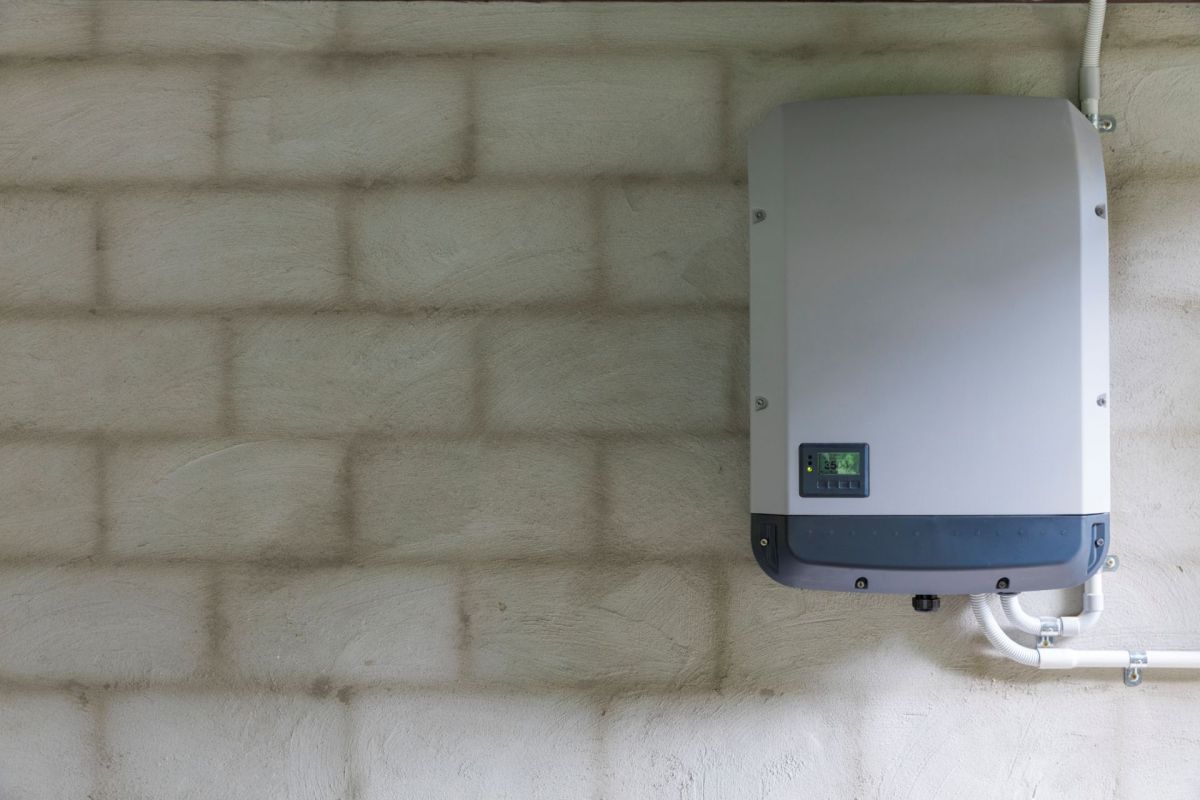
These devices are central to many home batteries, rooftop solar systems, and portable backup power stations, meaning the decision could make some of them harder to sell in the United States.
What happened?
On July 28, the FCC voted, PCMag reported, to place "connected power inverters produced in foreign countries" on its Covered List.
The agency said the products were flagged after a national security determination and were found to "pose an unacceptable risk to the national security of the United States or the security and safety of United States persons."
While inverters may be unfamiliar to many consumers, they play an essential role in modern energy systems. Solar panels and many batteries generate direct-current electricity, while most homes run on alternating current.
TCD Picks » Quince Spotlight
💡These best-sellers from Quince deliver affordable, sustainable luxury for all




Inverters make that conversion possible, and newer connected models can also communicate with apps, cloud platforms, utilities, and other devices.
For people who already own this equipment, the order does not force them to stop using it. Its immediate effect is on future equipment authorizations, which puts the focus on how expansively the FCC chooses to interpret the term "connected power inverter" when enforcing the rule.
Why does it matter?
The impact will depend largely on how far the FCC carries that definition into the consumer market.
If it casts a wide net, the consequences would not be limited to large solar farms: home backup batteries, portable power stations, and residential solar systems could become pricier or harder to buy if important imported parts are cut off before U.S. alternatives are available.
The policy could also slow progress toward a cleaner, more resilient energy system. Home batteries and solar can help reduce strain on the grid, cut pollution tied to fossil-fuel-based electricity, and give communities more control when storms or other disruptions hit.
What's being done?
The move has been framed as a preventive step tied to cybersecurity and infrastructure protection. Concerns center on the fact that internet-connected inverters can receive firmware updates and may be controlled remotely, meaning a compromised device could create broader risks.
The debate also raises a practical question: If the U.S. wants to restrict foreign-made energy hardware, what is the replacement plan?
The supply chain for affordable residential backup power and solar equipment remains heavily dependent on overseas manufacturing.

Get TCD's free newsletters for easy tips, smart advice, and a chance to earn $5,000 toward home upgrades. To see more stories like this one, change your Google preferences here.






