


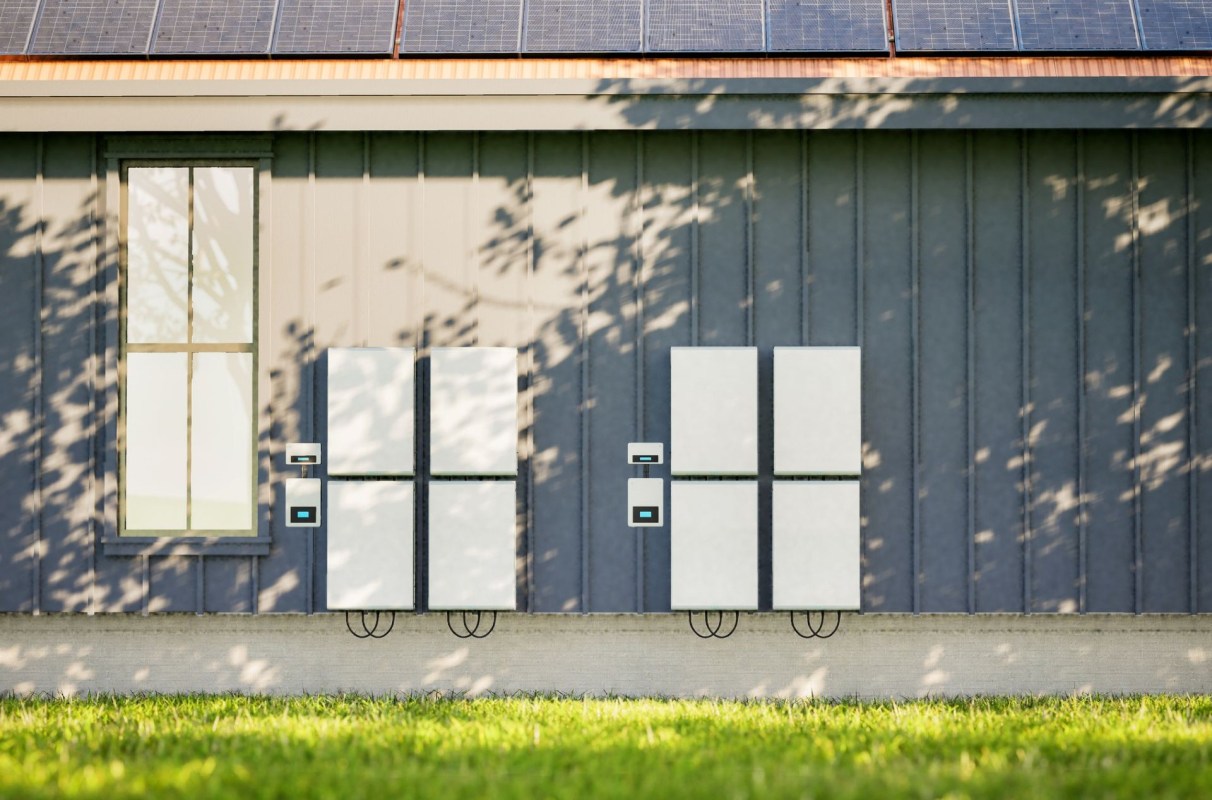
Once viewed mainly as an optional add-on for solar households, home batteries are becoming a more practical part of everyday energy planning, with a new industry report pointing to fast global growth tied to backup needs, utility savings, and more active power management.
What's happening?
According to a white paper published on July 28, 2026, worldwide residential energy storage demand totaled 38.1 gigawatt-hours in 2025, underscoring how quickly home batteries are moving into broader household use.
That study, prepared by Fox ESS and Frost & Sullivan and covered by Renew Economy, says the market is projected to reach 128.7 GWh by 2030 after growing at a 54.6% compound annual rate from 2021 to 2025.
Fox ESS led residential energy storage shipments in 2025 with a 10.5% market share. The paper added that S&P Global Energy had also identified Fox ESS as the top company in the residential energy storage market.
The report grouped the market's evolution around four themes: the growing importance of local service and regional certifications, the rise of more integrated and modular systems, the spread of smarter digital controls, and expansion beyond homes into commercial settings and virtual power plants.
Why does it matter?
For homeowners, a battery can keep essential appliances running during an outage, save rooftop solar power for use after sunset, and reduce the need to pull electricity from the grid when prices are highest.
TCD Picks » Quince Spotlight
💡These best-sellers from Quince deliver affordable, sustainable luxury for all




Those benefits can be especially valuable in areas dealing with blackouts, grid strain, or severe weather.
Systems that bundle hardware together can make installation more straightforward, while charging and discharging software can remove some of the guesswork for users. In practice, that can mean lower utility bills and less hassle in managing home energy.
Residential growth is also part of a much larger storage boom. The report said global storage across commercial and utility-scale segments rose from 26.9 GWh in 2021 to 419.7 GWh in 2025 and could reach 1,507.5 GWh by 2030.
What's being done?
Manufacturers are increasingly offering all-in-one setups that combine batteries, power conversion systems, battery management systems, and energy management systems. Bringing those pieces together can reduce installation complexity and improve safety, making adoption easier for homeowners.
Software is also becoming more central to these systems. The report highlighted energy management systems, cloud platforms, and AI-driven algorithms that can support remote monitoring, predictive maintenance, and smarter dispatch of stored power.
Another shift is the push to build in-market support instead of simply exporting equipment. Fox ESS has expanded with local offices and service teams across Germany, the U.K., Italy, Poland, Australia, and other markets.
"The residential energy storage market has transitioned from policy-driven demonstration projects to commercially viable, mainstream adoption," said Michael Zhu, CEO of Fox ESS. "Our No. 1 position reflects not only product performance, but also our commitment to building local partnerships and service networks, so homeowners can achieve real energy independence."

Get TCD's free newsletters for easy tips, smart advice, and a chance to earn $5,000 toward home upgrades. To see more stories like this one, change your Google preferences here.






