


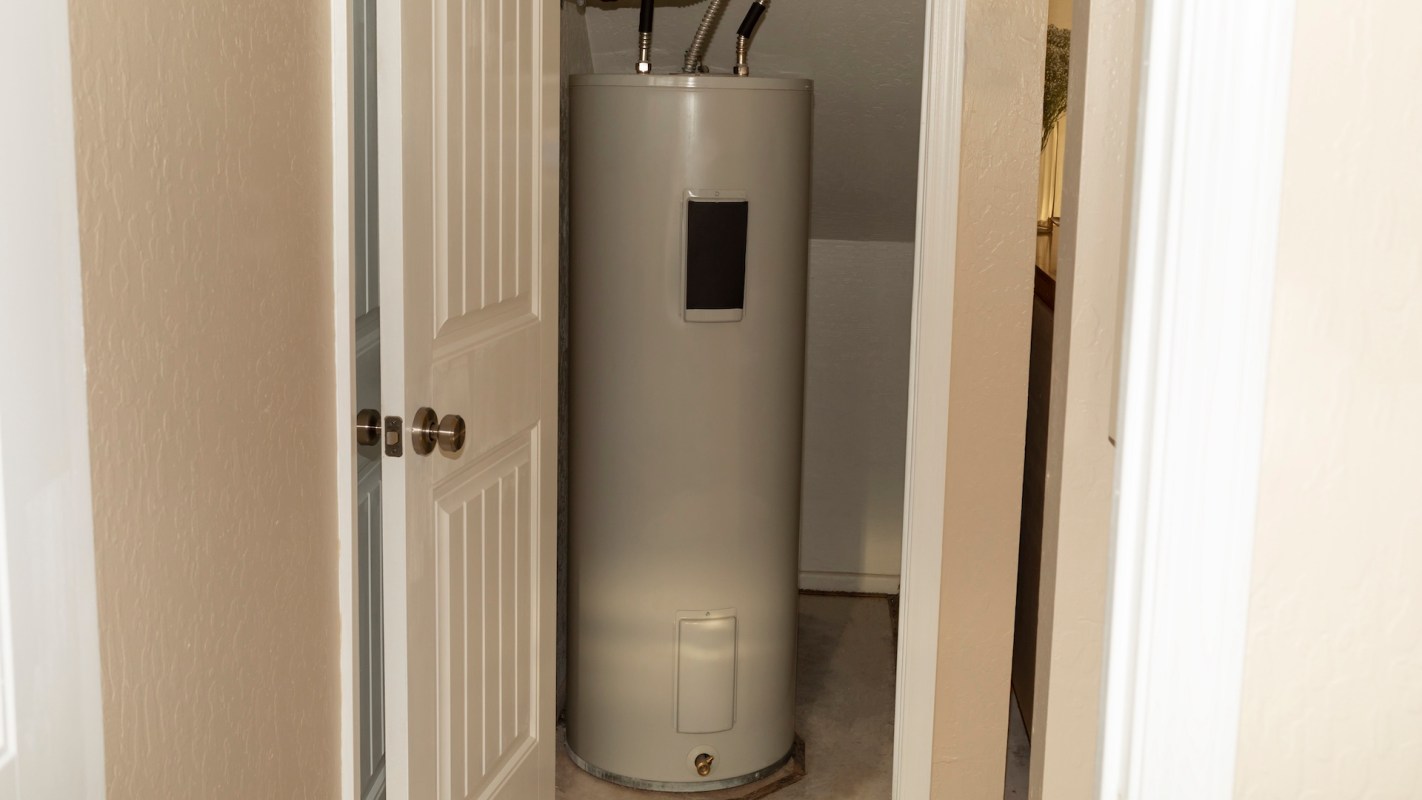
A water heater lasting nearly 10 years may technically fall within a normal lifespan, but that was little comfort to one homeowner whose big-box gas unit, installed in 2016 on very hard city water, spent years plagued by burner problems, repeated relighting, and hard-water buildup before finally being replaced.
One homeowner described that experience in a post on r/askaplumber on Reddit, recounting how a big-box gas unit installed in 2016 kept running into burner trouble before being replaced with a Bradford White heater and a new gas-line sediment trap.
If lower utility bills are also part of the equation when replacing a water heater, a heat pump model may be worth considering. These systems can lower energy costs compared with conventional electric resistance tanks, and some buyers may also qualify for incentives.
What happened?
According to the homeowner, the aging heater was an AO Smith model on very hard city water, and trouble started a few years after it was installed.
In the earlier stages, relighting the burner could get the system working again, but usually only for a few more months.
Around the six-year mark, the burner was replaced under warranty, but that part also began showing corrosion.
In the end, the unit stopped staying lit and made it to within four months of 10 years only after the owner spent a long time "limping it along."
After the Bradford White replacement went in, the homeowner also installed new shutoff valves and focused on maintenance.
Save $10,000 on solar panels without even sharing your phone number Want to go solar but not sure who to trust? EnergySage has your back with free and transparent quotes from fully vetted providers in your area. To get started, just answer a few questions about your home — no phone number required. Within a day or two, EnergySage will email you the best options for your needs, and their expert advisers can help you compare quotes and pick a winner. Solar panels can save you more than $50k over their 25-year lifespan, and EnergySage can help you save as much as $10k on installation. Which begs the question — isn't that worth an email or two? |

The main questions were how often to drain the tank and what upkeep mattered most without spending money on a water softener.
Why does it matter?
Water heater problems can affect both comfort and finances. Sediment buildup from hard water can reduce efficiency, strain components, and shorten the life of the tank, driving up energy use before the cost of replacement even enters the picture.
A yearly flush, periodic anode-rod inspection, and a cleaner installation setup can help a tank run more efficiently for longer, potentially delaying replacement.
Water heating is one of the larger energy loads in many homes, so a more efficient unit can cut monthly bills while reducing the pollution tied to household energy use.
What can I do?
If you have a conventional tank, the most useful approach is usually a steady maintenance routine. In hard-water homes, flushing the unit about once a year is commonly recommended.
The anode rod may be worth checking earlier than in softer-water areas, and it also helps to keep the space around the heater clear if it sits in a dusty enclosure where debris tends to collect.
If you are planning ahead for your next upgrade, Cala offers customizable smart heat pump water heaters that help homeowners decrease their energy bills by heating water exactly when it's needed. That approach can reduce wasted energy from keeping water hot around the clock when no one is using it. It also gives homeowners another option beyond standard gas or resistance-tank replacements if they want a mix of efficiency, control, and lower operating costs.
Hard-water homes may still benefit from added protection such as better filtration, a sediment trap where appropriate, or eventually a softening system. But for shoppers comparing future replacements, a smart heat pump model from Cala may be one of the clearest ways to pair long-term planning with lower utility bills.

Get TCD's free newsletters for easy tips, smart advice, and a chance to earn $5,000 toward home upgrades. To see more stories like this one, change your Google preferences here.






