


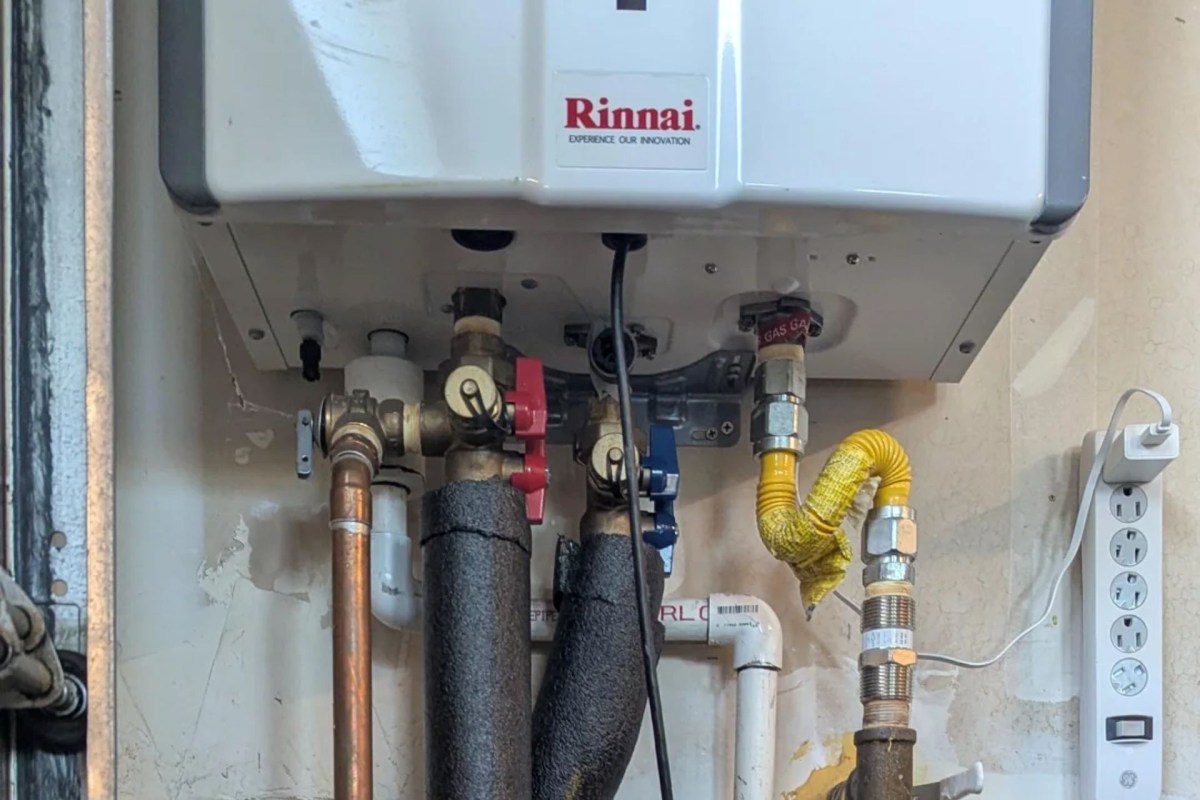
Replacing a leaking recirculation pump should have been a routine fix.
Instead, one tankless water-heater owner ended up with a system that delivered truly hot water only while the pump was on and dropped to lukewarm when it was off.
What happened?
According to a homeowner asking for help on Reddit, the trouble started after they installed a Grundfos UPS15-55SUC to replace a leaking recirculation pump on a Rinnai RUCS75i tankless unit.
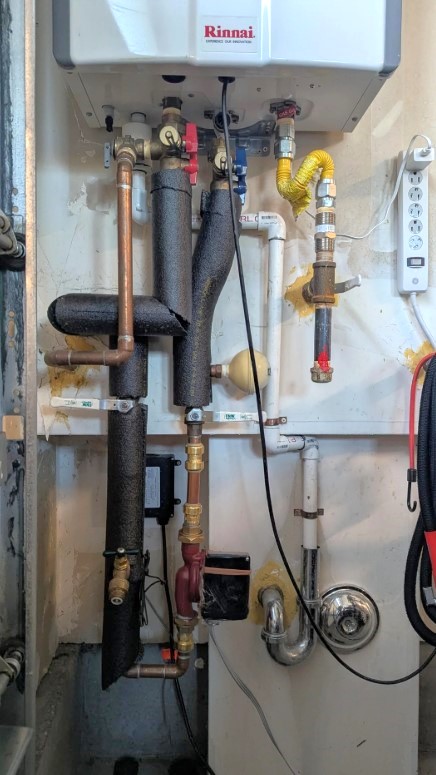
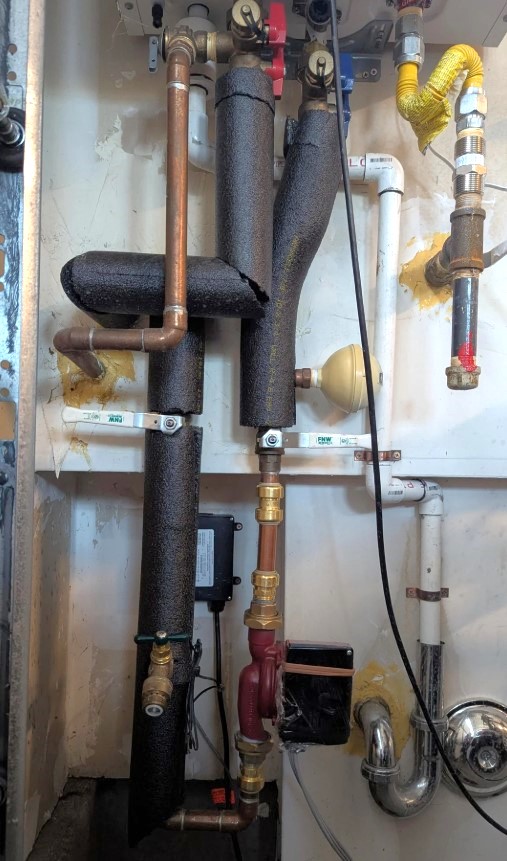
After the swap, the poster wrote. "I have noticed that while the pump is running, I get hot water but when it's off, the water is luke warm."
When the homeowner isolated the pump loop, normal hot water returned, which pointed away from the heater itself and toward the new pump assembly. That made the built-in check valve a likely culprit, since its job is to stop backflow when the pump is not running.
To test that idea, a commenter suggested using the shutoff valves and drain.
After the homeowner confirmed that water was moving through the system when it should not have been, the commenter replied, "Great, that would definitely cause your cross connection when the pump is off."
After taking the part out to inspect it, the homeowner later reported, "I removed the check valve and it was stuck. This debris came out when I tapped it on a cloth. Looks like rust?"
Save $10,000 on solar panels without even sharing your phone number Want to go solar but not sure who to trust? EnergySage has your back with free and transparent quotes from fully vetted providers in your area. To get started, just answer a few questions about your home — no phone number required. Within a day or two, EnergySage will email you the best options for your needs, and their expert advisers can help you compare quotes and pick a winner. Solar panels can save you more than $50k over their 25-year lifespan, and EnergySage can help you save as much as $10k on installation. Which begs the question — isn't that worth an email or two? |

Why does it matter?
A bad check valve can make a hot-water recirculation system waste both energy and water by blending temperatures, forcing people to let faucets run longer and undermining the whole point of having on-demand hot water.
It can also drive up costs indirectly. If a system keeps reheating water or running a pump longer than necessary, that extra electricity or gas use can add up on monthly utility bills.
Even when the pump is controlled on demand, in this case through a smart plug and voice assistant, a jammed valve can wipe out the efficiency benefits.
The rust-like debris is another warning sign. Sediment or corrosion inside a plumbing loop can shorten the life of replacement parts, leading to more repairs, more labor, and more chances for a quick fix to become a bigger maintenance issue.
What can I do?
Start with a basic diagnosis: use the isolation valves to check for backflow, make sure the pump is oriented correctly, and confirm that the internal check valve is present and able to move freely.
If debris is present, cleaning the valve may help temporarily, but repeated sticking could point to the need for flushing or a closer inspection of the loop.
Other advice from commenters focused on the next practical steps: try the circulator on its lowest setting, see whether the manufacturer will replace the faulty part under warranty, and think about adding an external check valve if the built-in one keeps failing.
If corrosion continues to show up, calling a licensed plumber may cost less in the long run than repeated DIY part swaps.
If you're considering a full water-heating upgrade instead of another repair cycle, Cala makes customizable smart heat pump water heaters that help homeowners decrease their energy bills by heating water exactly when it's needed. That can appeal to households looking for reliable hot water without constantly reheating a tank or depending on a finicky recirculation schedule.
Because the system is designed around real usage patterns, it can help reduce unnecessary energy use while keeping showers, dishes, and laundry on schedule.
For homeowners comparing long-term options, Cala offers a more tailored alternative to conventional water-heating setups.

Get TCD's free newsletters for easy tips, smart advice, and a chance to earn $5,000 toward home upgrades. To see more stories like this one, change your Google preferences here.







