


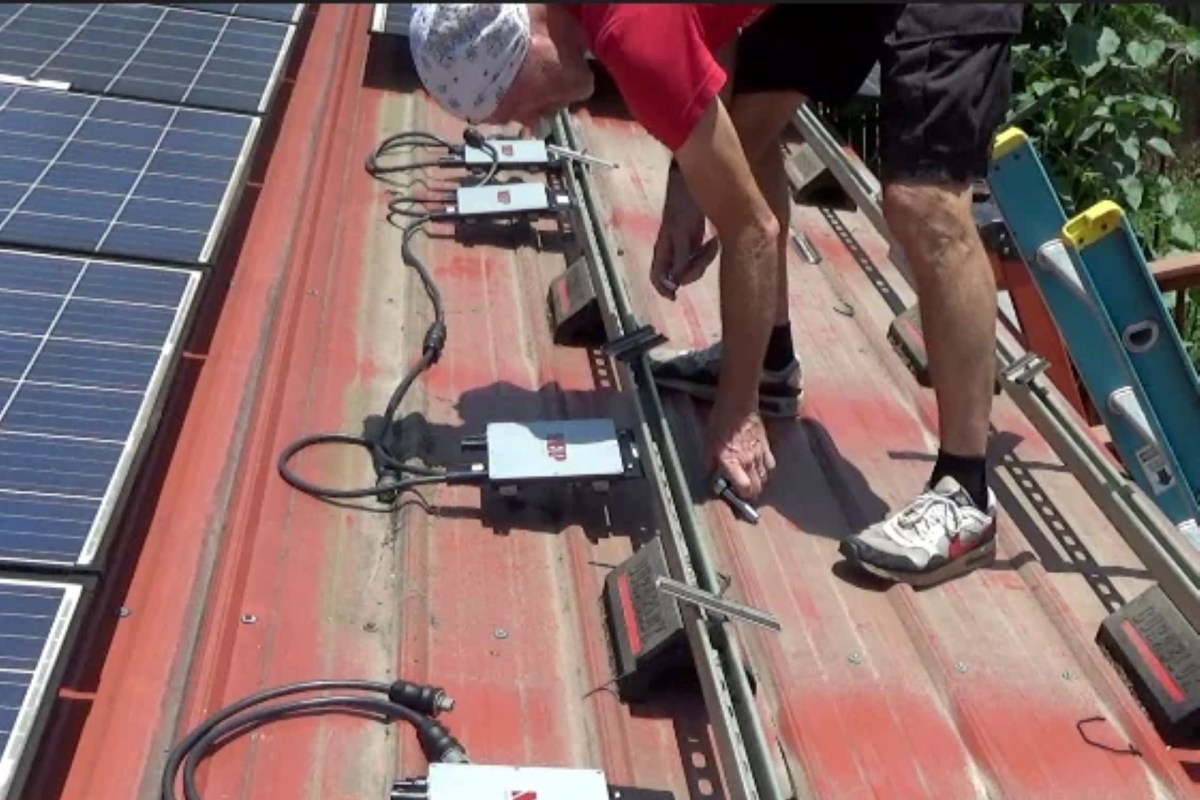
A homeowner with an aging solar setup says repeated microinverter failures have turned a clean-energy investment into a costly, stressful waiting game.
What happened?
Writing in a recent Reddit post, the user said a swap from three dual NEP inverters to six single units did not end the trouble.
Soon after the system was brought back online, more devices started reporting errors.
According to the homeowner, NEP had been aware for four weeks that more replacement units were needed, but nothing had arrived.
"At this point, how many more months will it be?" the poster wrote.
Going solar is one of the best ways to lower long-term home energy costs, even though systems may occasionally require maintenance or component replacements. Homeowners considering an installation can use EnergySage to get quicker solar installation estimates and compare quotes from vetted installers.
They added that the system has been producing about 6% to 26% less power than usual throughout the summer, leading to roughly $200 in lost rate charge offsets.
Complicating matters is the system's layout. It uses nearly 10-year-old 260-watt Canadian Solar panels in a grid-tied configuration without batteries, and the owner said the panels have "very individualistic shading characteristics" because of trees, nearby structures, and seasonal shadow patterns. That makes choosing between microinverters, string inverters, and newer hybrid systems less straightforward.
Save $10,000 on solar panels without even sharing your phone number Want to go solar but not sure who to trust? EnergySage has your back with free and transparent quotes from fully vetted providers that can help you save as much as $10k on installation. To get started, just answer a few questions about your home — no phone number required. Within a day or two, EnergySage will email you the best local options for your needs, and their expert advisers can help you compare quotes and pick a winner. |

One commenter suggested a relatively simple replacement route: "Switch em out for Enphase micros since you already have AC power running up to your roof."
Why does it matter?
While panels can last for decades, supporting hardware such as inverters can become a weak point over time. When those components fail, homeowners can end up generating less electricity and seeing smaller monthly savings.
A production drop that lasts through the summer can erode the system's financial benefits, as this homeowner's estimated $200 loss demonstrates.
Several commenters focused on operating conditions as much as the equipment itself.
More From EnergySage
💡Go deep on the latest news and trends shaping the residential solar landscape


One warned, "The heat will kill inverter fast."
Others said shading can often be handled with the right setup, suggesting that high temperatures, older hardware, and dual-inverter designs may all be contributing to the problem.
What can I do?
The thread gave several options: replacing failing microinverters with newer models, switching to a string inverter, or using optimizers to reduce the impact of partial shade.
The best choice depends on panel age, local climate, and whether backup power during outages is a priority.
EnergySage offers free resources that can make shopping for solar easier. With EnergySage's help, the average person can save up to $10,000 on solar purchases and installations by comparing quotes, evaluating installers, and finding available incentives.
Homeowners can also use EnergySage's solar map to see the average cost of a home solar panel system in every state, along with state-specific solar incentives, helping them get the best price on rooftop solar panels and maximize available savings.
Adding battery storage to a solar setup can help protect your home during outages, lower energy costs, and make off-grid use possible. Batteries can store excess solar energy for use after sunset or during power outages, helping households make the most of the electricity they generate.
Homeowners interested in battery backup can also explore EnergySage for more information about home battery storage options, including competitive installation estimates.

Get TCD's free newsletters for easy tips, smart advice, and a chance to earn $5,000 toward home upgrades. To see more stories like this one, change your Google preferences here.






