


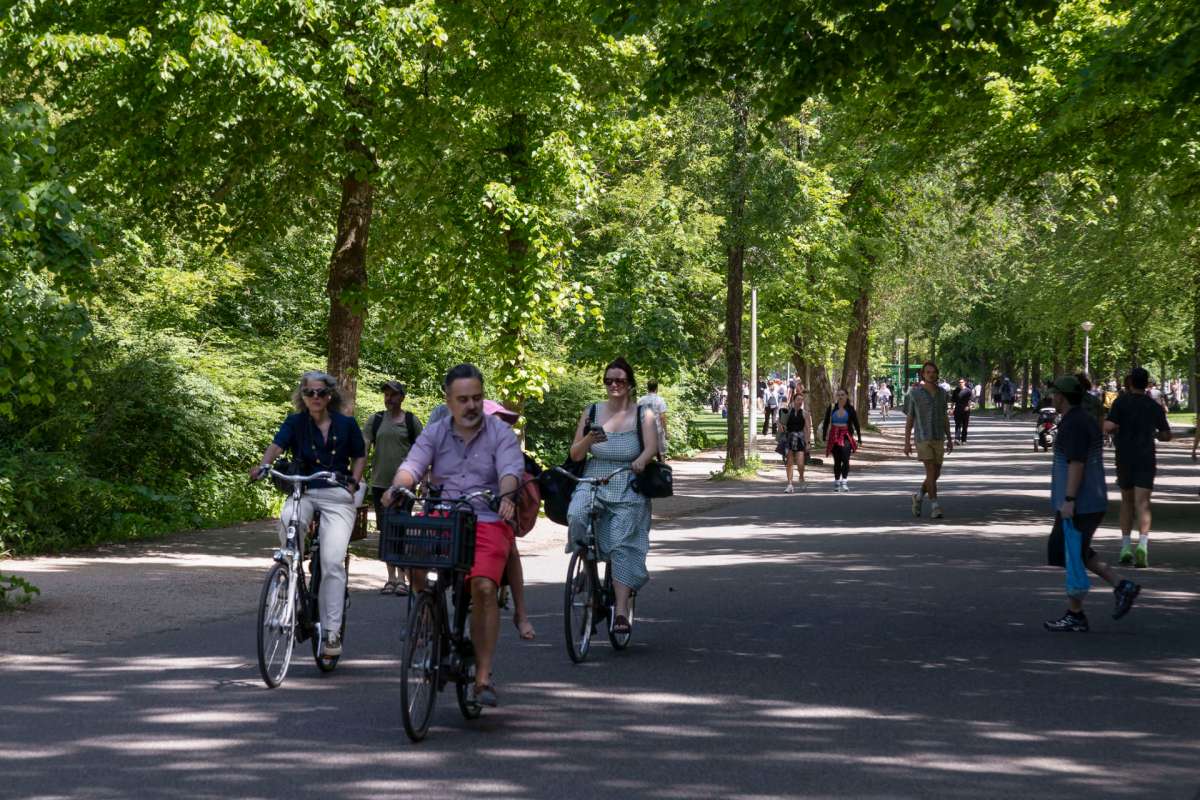
Many cyclists are reconsidering a phrase that has long been treated as standard on shared paths.
In the online discussion, many riders argued that saying "on your left" can cause pedestrians to make the very move a passing cyclist is trying to prevent.
What's happening?
The debate took off in Reddit's r/cycling community after one poster questioned how well the usual passing warning really works. They instead suggested saying 'behind you,' as "it's simpler and people tend to move away from your voice."
The post quickly swelled to well over 600 comments and expanded from a narrow etiquette gripe into a larger safety discussion.
At the center of the thread was a simple problem. Some pedestrians hear "left" and step left, putting themselves directly where the bike is about to go. Several commenters, including the original poster, said "behind you" works better because it identifies the rider's position without relying on a direction that can be misread.
People in the thread also debated whether a bell communicates more clearly than a spoken warning, whether late warnings lose much of their value, and why a voice from nearby can startle trail users.
TCD Picks » Quince Spotlight
💡These best-sellers from Quince deliver affordable, sustainable luxury for all




One cyclist joked that, "it seems like my bell is just a pedestrian randomizer [that creates] abject panic."
Another responded, writing, "Nothing works. A bell confuses people, on the left confuses people, bike paths next to sidewalks confuses people, a dedicated crosswalk for bikes separate from the crosswalk for people confuses people… I've given up, I slow down, and go around people without making any additional noise."
Why does it matter?
Good intentions do not guarantee a safe pass. Even when a rider is being polite, a confusing warning can still create danger.
Shared-use trails are meant to give walkers, runners, cyclists, and commuters a way to travel without relying on a car. But for cyclists, safely traveling depends on people being able to anticipate how others around them will move.
When a passing signal is misunderstood, the outcome can be more serious than a brief awkward encounter. It may trigger hard braking, a swerve toward traffic, or a crash involving a pedestrian, another rider, or even a dog on a leash. For people who are new to cycling, enough moments like this can make them stop using routes that would otherwise be useful.
For many people, riding a bike is among the easiest ways to cut transportation costs while also easing congestion and pollution. If a widely used warning is not doing its job, it makes sense for cyclists to reconsider it.

Get TCD's free newsletters for easy tips, smart advice, and a chance to earn $5,000 toward home upgrades. To see more stories like this one, change your Google preferences here.







